
Federal Minister for Science and Technology Khalid Hussain Magsi on Tuesday emphasized the importance of science diplomacy in promoting international cooperation, strengthening mutual understanding and addressing shared global challenges.
World Science Day celebrated with focus on Science diplomacy for peace and sustainable development
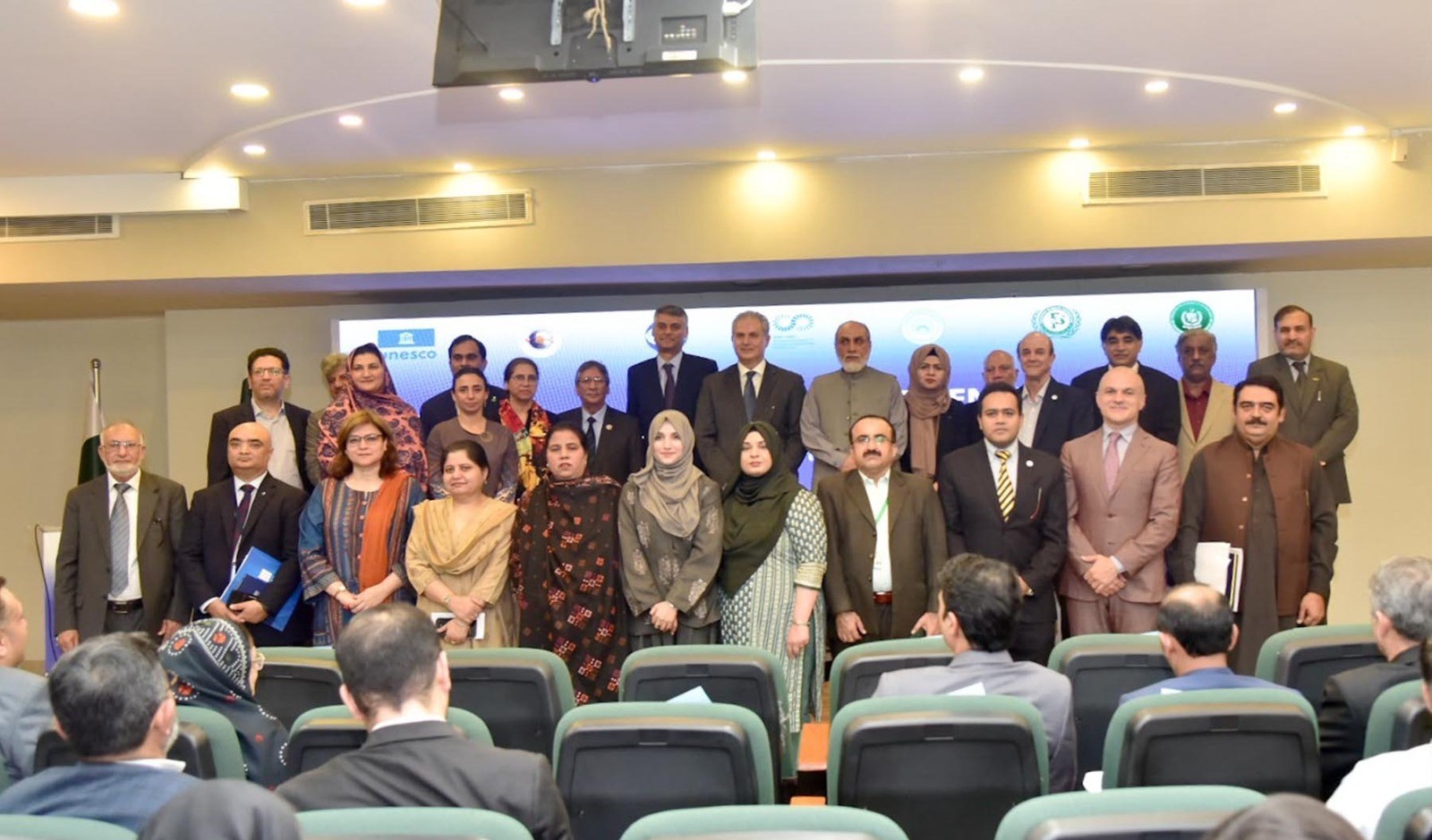
ISLAMABAD, Nov 10 (APP):Federal Minister for Science and Technology Khalid Hussain Magsi on Tuesday emphasized the importance of science diplomacy in promoting international cooperation, strengthening mutual understanding and addressing shared global challenges.
He was speaking at the celebrations of World Science Day for Peace and Development 2026 under the theme “Common Ground Through Science Diplomacy”.
The national-level event was organized by the Pakistan Science Foundation (PSF) in collaboration with the United Nations Educational, Scientific and Cultural Organization (UNESCO), Ministry of Science and Technology (MoST), Economic Cooperation Organization Science Foundation (ECOSF), Commission on Science and Technology for Sustainable Development in the South (COMSATS), and Pakistan Academy of Sciences (PAS) at the Ministry of Science and Technology Auditorium, Islamabad.
The event was held within the framework of the International Decade of Sciences for Sustainable Development (2024–2033), highlighting the significance of scientific knowledge, international collaboration and evidence-based policymaking in addressing common global challenges.
The inaugural session commenced with the welcome remarks by Chairman Pakistan Science Foundation Dr. Muhammad Akmal. Additional Secretary, Ministry of Science and Technology, Ali Bahadur Qazi also addressed the gathering.
Federal Minister Khalid Hussain Magsi distributed cash prizes among students who won medals in international scientific competitions, recognizing their achievements and encouraging young talent to pursue excellence in science and technology.
A high-level roundtable discussion titled “Navigating Shared Challenges Through Science Diplomacy” brought together diplomats, scientists, policymakers and international representatives to deliberate on the role of science in promoting peace, trust and cooperation among nations. The session was moderated by Secretary General, Pakistan Academy of Sciences, Dr. Aslam Baig.
The distinguished speakers included UNESCO Pakistan Representative Fuad Pashayev; Ambassador of the Hashemite Kingdom of Jordan Dr. Maen Khreasat; Dr. Guido Licciardi of the Italian Agency for Development Cooperation, Islamabad Office; Director (ACDIS-II) and SD, Ministry of Foreign Affairs, Dr. Muhammad Adeel; and Senior Chief Technical (Science and Technology), Ministry of Planning, Development and Special Initiatives, Dr. Gul Muhammad Laghari.
The discussion covered critical regional and global challenges, including climate change, water security, public health, emerging technologies and disaster risk reduction. The participants highlighted science diplomacy as an effective instrument for building mutual understanding, strengthening international partnerships and addressing challenges that transcend national boundaries.
Another panel discussion, titled “Inclusive Science for Cooperation and Sustainable Development”, focused on the importance of women’s participation and leadership in scientific research, innovation and international cooperation.
Moderated by Senior Journalist Myra Imran, the panel featured High Commissioner of Rwanda Fatou Harerimana; Policy Development and Government Relations Lead at UNU-INWEH Sogol Jafarzadeh; President, ECO Science Foundation, Prof. Seyed Komail Tayebi; Vice Chancellor, Fatima Jinnah Women University, Prof. Dr. Bushra Mirza; and Deputy Chief, National Commission on the Status of Women, Dr. Humera Jamal.
The panelists emphasized the need to create greater opportunities for women scientists, strengthen mentorship programmes, promote gender equality in science, technology, engineering and mathematics (STEM) education and research, and ensure women’s representation in scientific leadership and decision-making. They observed that inclusive participation was essential for innovation, scientific excellence and sustainable development.
The event also featured a prize distribution ceremony recognizing Pakistani students who excelled in international participatory programmes, highlighting their contributions to international scientific activities and encouraging young people to pursue scientific research and innovation.
In his concluding remarks, Member Science, Pakistan Science Foundation, Dr. Mirza Habib Ali highlighted the key outcomes of the event and the way forward, stressing the need to strengthen national and international scientific partnerships, promote science diplomacy, encourage youth participation and enhance the contribution of scientific institutions towards sustainable development.
The celebration reaffirmed Pakistan’s commitment to promoting science as a bridge for peace, dialogue and international cooperation. It also provided a platform for scientists, diplomats, policymakers, academia and development partners to develop a shared understanding and explore collaborative solutions to common challenges.
The Pakistan Science Foundation reaffirmed its commitment to popularizing science, promoting scientific knowledge, nurturing young talent and strengthening national and international cooperation for a peaceful, knowledge-based and sustainable future.

