The World Health Organization (WHO) has called for greater involvement of people with lived experience (PWLE) in mental health policymaking and healthcare decisions to promote inclusive, rights-based care.
WHO urges inclusion of mental health patients in policymaking
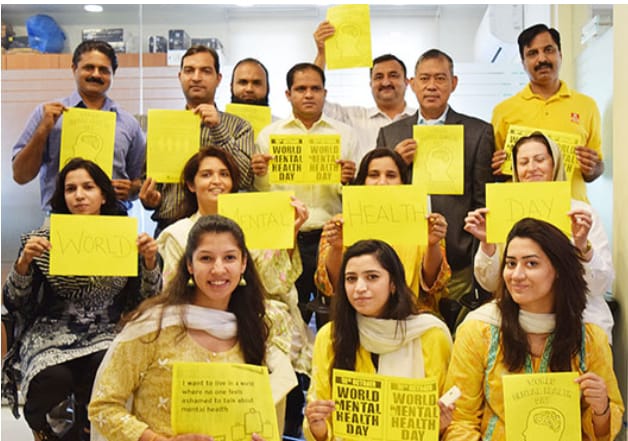
ISLAMABAD, Oct 10 (APP):The World Health Organization (WHO) has called for greater involvement of people with lived experience (PWLE) in mental health policymaking and healthcare decisions to promote inclusive, rights-based care.
In its message for World Mental Health Day, the WHO emphasized that PWLE should not merely be invited to share their personal stories but must be given opportunities to influence decisions, co-design services and contribute to improving the quality and accessibility of mental healthcare.
The global health body highlighted that lived experience represents a valuable form of expertise, providing insights that cannot be fully acquired through academic learning or professional training alone.
It stressed that meaningful participation requires moving beyond symbolic consultation towards genuine involvement in decisions affecting the lives, dignity and well-being of people experiencing mental health conditions.
The WHO noted that engaging people with lived experience can help strengthen peer-led initiatives, challenge stigma and discrimination, and improve accountability within mental health services.
Their participation can also make healthcare systems more person-centred by ensuring that policies and interventions reflect the actual needs, concerns and priorities of those seeking care.
The organization further underscored the importance of transforming mental health services by moving away from long-stay psychiatric institutions towards community-based, person-centred care.
According to the WHO, institutional settings can isolate individuals from their families and communities and may be associated with inadequate care, coercive practices and human rights violations.
A shift towards community-based services, however, requires careful planning, sustainable financing and adequate support systems to ensure that people can live with dignity and receive appropriate care within their communities.
Reflecting this priority, the WHO announced plans to launch practical guidance on deinstitutionalization to support the transition towards more inclusive and community-oriented mental healthcare.