By Sara Javed ISLAMABAD, Jul 5 (APP)::“Be brave. Be a man. Sacrifice without complaint.” For many boys in Pakistan, these are among the first words they hear when they cry, stumble or struggle. What begins as advice gradually turns into expectation, to be strong, to provide for others, to endure without protest and to never show emotion. Over time, strength is measured not just by endurance, but by silence. Whenever …
The Weight of Being a Man“Be a Man”
By Sara Javed
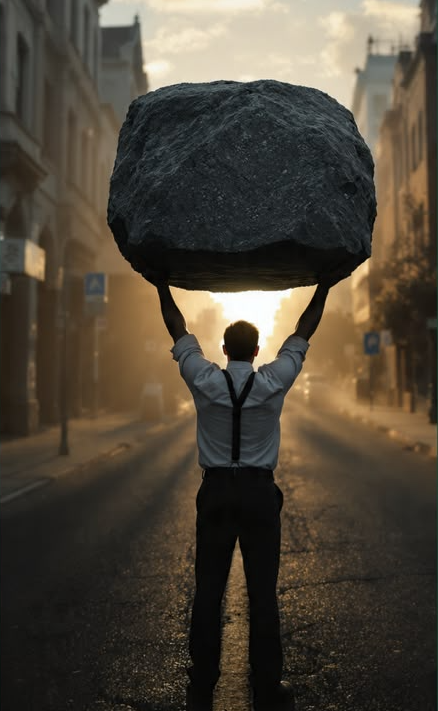
ISLAMABAD, Jul 5 (APP)::“Be brave. Be a man. Sacrifice without complaint.” For many boys in Pakistan, these are among the first words they hear when they cry, stumble or struggle. What begins as advice gradually turns into expectation, to be strong, to provide for others, to endure without protest and to never show emotion. Over time, strength is measured not just by endurance, but by silence.
Whenever social issues are discussed in Pakistan, the conversation usually revolves around education, inflation, corruption, women’s rights and gender-based violence. These are undoubtedly important issues. Yet there is another reality that often remains overlooked: the emotional and psychological struggles of men.
A study examining newspaper-reported suicides in Pakistan between 2019 and 2020 found that nearly 62 percent of reported cases involved men. Financial hardship, domestic conflict and failed relationships were among the most commonly identified contributing factors. Pakistan has only around 0.19 psychiatrists per 100,000 people—one of the lowest ratios globally, leaving many with limited access to mental health care.
Talking to APP, Commander (R) Dr. Fayyaz Ahmed Anjum, a Clinical Psychologist and Counsellor in Islamabad who regularly works with young men, talking to APP said emotional distress is often expressed indirectly.
“Most of my male clients don’t come in saying, ‘I’m depressed.’ They come in because their chest hurts, they can’t sleep, or they’re constantly angry. It takes weeks before they can even say the word ‘sad.’ Nobody taught them that vocabulary.”
He added that many men are not unwilling to seek help; they have simply never been encouraged to identify or express what they feel.
In Pakistani society, a man’s value is often measured by his ability to provide financially for his family. From an early age, boys are told they will grow up, secure a job and support their parents, spouse and children. Their worth is linked less to identity and more to income. When they lose a job or struggle financially, many feel they have failed despite their effort.
Pakistan’s unemployment rate reached around 8 percent in 2025, while youth unemployment remained above 10 percent. More than 31 percent of graduates were reportedly unemployed. Combined with high inflation, rising housing costs and increasing education expenses, these pressures have made financial stability difficult for many young men.
As a result, many delay marriage, not because they lack desire, but because they feel unable to meet expectations tied to weddings, housing and family support. Many also support ageing parents and siblings while working in jobs below their qualifications.
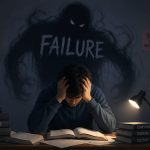
Sharing his experience with APP, Zouhal, a 27-year-old graduate of COMSATS University Islamabad now working in sales unrelated to his degree, said, “I did everything right. Degree, internships, decent grades. But there’s nothing out there. I can’t propose to anyone because what do I even offer right now? I feel like I’m failing just by existing in this economy.”
His experience reflects the reality of many educated young men caught between social expectations and limited opportunity.
Men also face challenges within family and legal systems. In child custody disputes, mothers are often viewed as primary caregivers, leaving some fathers feeling they must work harder to remain present in their children’s lives after separation. Likewise, men who experience emotional, physical or psychological abuse often hesitate to report it, fearing disbelief or ridicule. The expectation that men must always be strong discourages help-seeking and leaves many cases unreported.
Social isolation further deepens these struggles. Many men build friendships around work, sports or shared activities rather than emotional conversations. As responsibilities increase with age, those friendships often weaken. Over time, some are left with very few people they can confide in, increasing loneliness during difficult periods.
Mental Health experts believe these patterns often begin at home. Boys learn emotional behaviour by observing older men. When fathers suppress sadness, fear or disappointment to appear strong, those habits are passed on, often unintentionally, making emotional silence a default form of masculinity.
This does not mean men have harder lives than women. Everyone faces different challenges. But expecting men to carry every burden in silence comes at a cost, not only to their mental health but also to their families, relationships and communities.
A healthy society is one where both men and women feel heard, respected and able to ask for help without fear of judgment. Recognizing men’s struggles is not about shifting focus away from women’s issues. It is about understanding that stronger families are built when vulnerability is not punished with silence.