Supreme Court of Pakistan has held that a subsequent purchaser of property is not entitled to any legal protection if he fails to prove good faith, proper due diligence and lack of knowledge of a prior agreement relating to the property.
Subsequent purchaser not entitled to legal protection if good faith and due diligence not proven: SCP
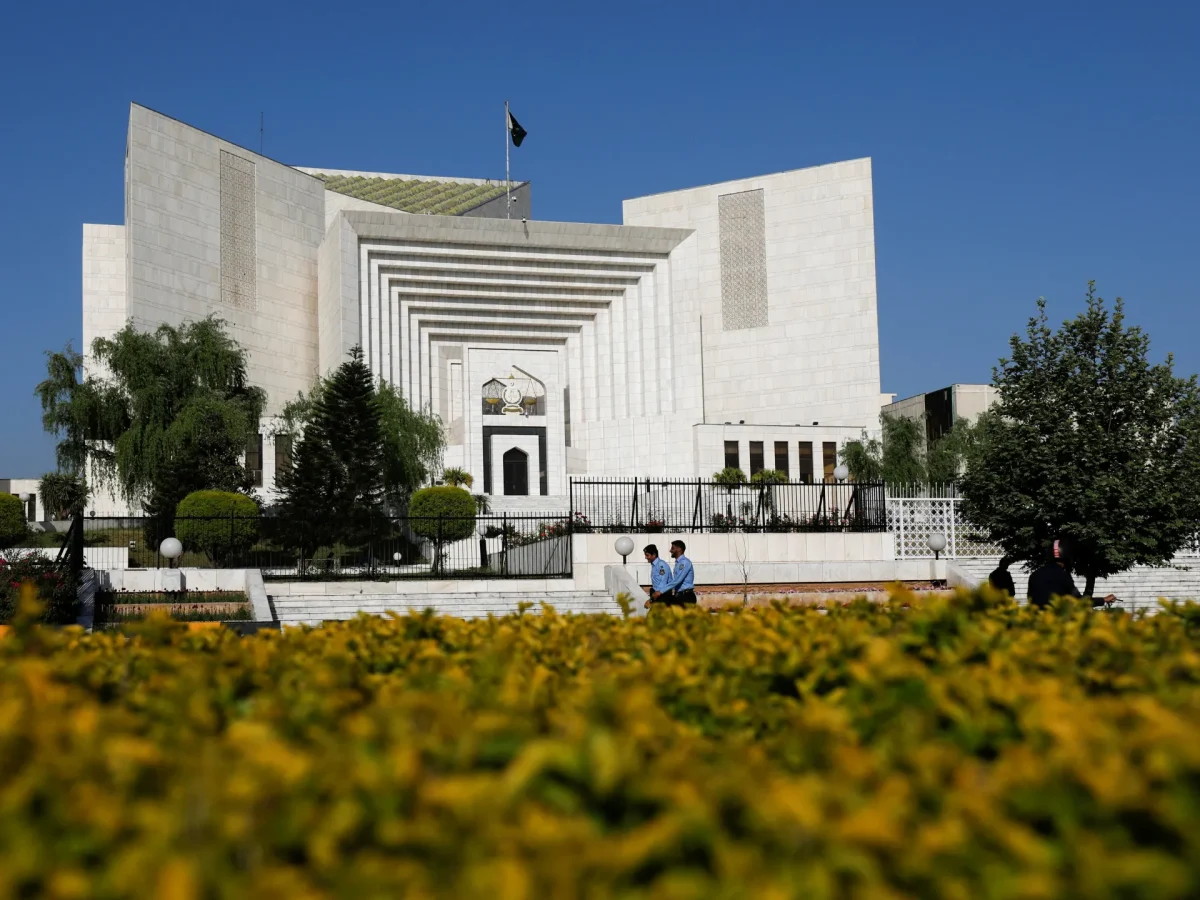
ISLAMABAD, May 12 (APP):Supreme Court of Pakistan has held that a subsequent purchaser of property is not entitled to any legal protection if he fails to prove good faith, proper due diligence and lack of knowledge of a prior agreement relating to the property.
On the basis of this principle, the apex court dismissed all appeals in a property dispute case and upheld the judgment of the Lahore High Court.
According to the approved detailed written judgment issued for reporting purposes, a three-member bench comprising Justice Shahid Waheed, Justice Musarrat Hilali and Justice Muhammad Shafi Siddiqui heard Civil Appeal No. 168-L of 2014 along with other connected appeals.
The court observed that the original owners of the disputed property had acknowledged the initial agreement to sell, whereas the subsequent purchasers failed to establish that they had entered into the transaction in complete good faith and without knowledge of any prior agreement or dispute concerning the property.
The judgment further stated that under the law, a subsequent transferee bears a heavy burden to prove not only good faith but also that a reasonable and proper inquiry into the title of the property had been conducted. However, the court found that this legal requirement had not been fulfilled in the present case.
The apex court clarified that once the rights of the initial purchaser are legally established and the later transfer of title is not transparent, subsequent purchasers cannot acquire a better title or legal right in the property.
Declaring the Lahore High Court judgment to be in accordance with the law, the Supreme Court upheld the decision and dismissed all appeals. The court also disposed of pending impleadment and stay applications after declaring them ineffective in light of the final decision.