
ISLAMABAD, Jun 18 (APP):Sightsavers Pakistan, in collaboration with Allama Iqbal Open University (AIOU), convened a high-level Roundtable Consultation on Climate-Resilient Inclusive Education in Pakistan, bringing together representatives from federal and provincial governments, academia, development partners, civil society organisations, and education experts to discuss how Pakistan’s education system can better respond to growing climate risks while ensuring inclusion for all learners. The consultation drew on findings from two Data and Research …
Stakeholders call for coordinated action on climate-resilient, inclusive education in Pakistan
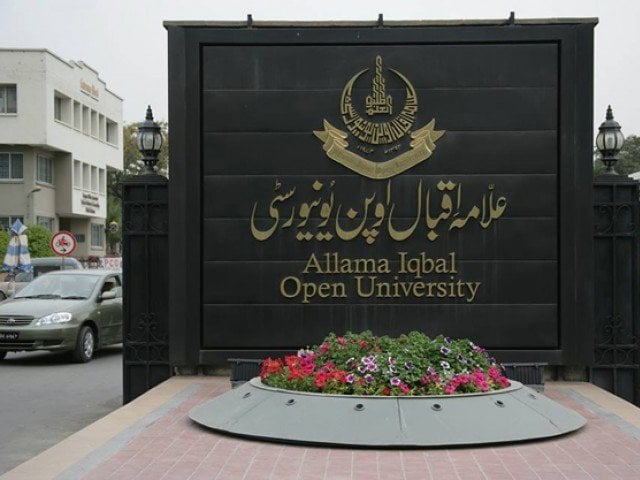
ISLAMABAD, Jun 18 (APP):Sightsavers Pakistan, in collaboration with Allama Iqbal Open University (AIOU), convened a high-level Roundtable Consultation on Climate-Resilient Inclusive Education in Pakistan, bringing together representatives from federal and provincial governments, academia, development partners, civil society organisations, and education experts to discuss how Pakistan’s education system can better respond to growing climate risks while ensuring inclusion for all learners.
The consultation drew on findings from two Data and Research in Education – Research Consortium (DARE-RC) funded research studies that examined how climate-related hazards affect schools, learners, teachers, and communities across Pakistan, said a press release.
The studies revealed that climate disruptions, including floods, heatwaves, smog, water scarcity, and other environmental hazards, are increasingly affecting educational continuity, health, wellbeing, and learning outcomes, with disproportionate impacts on girls, children with disabilities, and learners from marginalised communities.
Opening the event, Dr Zaigham Qadeer, Director General of the Pakistan Institute of Education (PIE), emphasised the urgent need to strengthen the resilience of Pakistan’s education system in the face of increasing climate-related disruptions. He highlighted the importance of generating actionable recommendations that can inform education policy and planning processes at both federal and provincial levels.
Speaking on behalf of Sightsavers, Ms. Munazza Gillani, Director Pakistan and Middle East, highlighted the need for stronger coordination among stakeholders working on climate change, education, disability inclusion, and disaster risk reduction. She noted that while significant efforts are underway, these often remain fragmented. She called for the establishment of a multi-sectoral platform to facilitate collaboration, knowledge sharing, and collective action to address climate-related challenges facing the education sector.
Presenting the research findings, Dr Sapana Basnet, Itfaq Khaliq Khan and Dr Sulaman Ijaz from Sightsavers, explained that schools across Pakistan are experiencing multiple and overlapping climate and environmental risks that create compounding effects on education. The studies found that climate-related disruptions are not isolated events but recurring challenges that affect school attendance, learning continuity, health, livelihoods, and social inclusion. The research also underscored the need for locally informed, disability-inclusive, and gender-responsive approaches to climate adaptation within education systems.
Dr. Fouzia Khan, Chief Executive Advisor, School Education and Literacy Department, Government of Sindh, stressed that climate resilience requires coordinated and institutionalised action across sectors. She highlighted Sindh’s ongoing efforts through its Disaster Risk Reduction (DRR) Working Group and emphasized the importance of integrating climate resilience into education sector planning, teacher training, and school-level preparedness initiatives.
Representing the Government of Punjab Salman Ali, Deputy Secretary (Academics), School Education Department, Punjab, reaffirmed the province’s commitment to strengthening climate-resilient and inclusive education. He emphasised that stronger collaboration between education authorities, disaster management institutions, and development partners is essential to translate policy commitments into practical action that safeguards learning during climate-related emergencies.
Participants from government institutions, academia, development agencies, and civil society organizations shared experiences and good practices related to school safety, disaster preparedness, climate adaptation, and community resilience. Discussions highlighted the importance of strengthening school-level preparedness, improving climate and disability-inclusive data systems, enhancing teacher capacity, and ensuring that climate resilience is systematically integrated into education planning and implementation.
A key outcome of the consultation was broad support for establishing a multi-sectoral working group on Climate-Resilient Inclusive Education to strengthen coordination among stakeholders and guide collective action. Participants also identified priority areas for future collaboration, including evidence-based policy development, coordinated advocacy, improved data systems, and practical mechanisms for translating policy commitments into action at the school and community levels.
The consultation was overall moderated by Dr Zahid Majeed, Director of Academics, AIOU. During the vote of thanks, Mr Hafiz Inamullah, Policy Engagement Specialist from DARE RC, stated that consultation forms part of the programme and reflects a shared commitment among stakeholders to build an education system that is resilient to climate-related risks while ensuring that no learner is left behind.

