ISLAMABAD, Jul 07 (APP):The Senate Standing Committee on Science and Technology on Tuesday sought a comprehensive scientific analysis of ingredients used in energy drinks and reviewed a proposed amendment to the Islamabad Capital Territory Food Safety Act, 2021, aimed at regulating high-sugar and high-caffeine beverages, particularly among children and adolescents. The committee, which met at Parliament House under the chairmanship of Senator Kamil Ali Agha, also discussed inspection of imported …
Senate panel reviews food safety bill, seeks scientific analysis of energy drinks
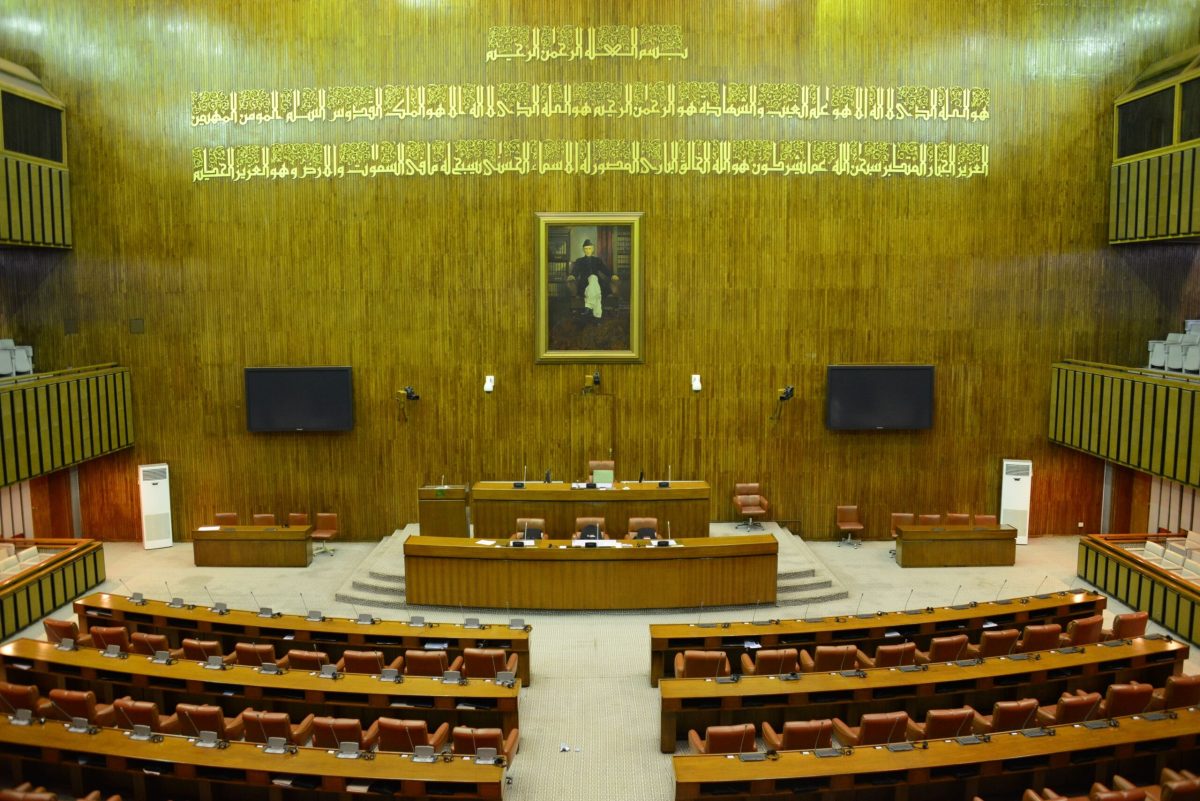
ISLAMABAD, Jul 07 (APP):The Senate Standing Committee on Science and Technology on Tuesday sought a comprehensive scientific analysis of ingredients used in energy drinks and reviewed a proposed amendment to the Islamabad Capital Territory Food Safety Act, 2021, aimed at regulating high-sugar and high-caffeine beverages, particularly among children and adolescents.
The committee, which met at Parliament House under the chairmanship of Senator Kamil Ali Agha, also discussed inspection of imported betel nuts (supari), governance issues relating to the Pakistan Halal Authority, appointments in organisations working under the Ministry of Science and Technology (MoST), and the restructuring of its attached bodies.
The committee considered the Private Member’s Bill, the Islamabad Capital Territory Food Safety (Amendment) Bill, 2025, moved by Senator Samina Mumtaz Zehri. The proposed legislation seeks to regulate the availability and consumption of high-sugar and high-caffeine beverages and soft drinks in Islamabad, particularly among children and adolescents, promote healthier alternatives and strengthen implementation of the Islamabad Capital Territory Food Safety Act, 2021.
Speaking on the bill, Senator Samina Mumtaz Zehri expressed concern over the growing prevalence of diabetes and unhealthy dietary habits among children, observing that excessive sugar consumption posed serious public health risks.
The Secretary, Ministry of Science and Technology, informed the committee that certain provisions of the proposed bill exceeded the legal ambit of the authority concerned and suggested incorporating the proposed amendments into the existing law instead of introducing a separate legal framework.
The officials of the Pakistan Standards and Quality Control Authority (PSQCA) informed the committee that standards governing such products had already been developed. They said introducing another parallel set of standards would create duplication and legislative conflict. The committee agreed that the bill would be revised accordingly to avoid overlapping legislation while achieving its intended public health objectives.
During the discussion, members also expressed concern over the increasing consumption of energy drinks among children and adolescents. Chairman Senator Kamil Ali Agha directed the relevant authorities to submit a comprehensive briefing, along with a scientific analysis of the ingredients used in energy drinks, to facilitate deliberations on possible regulatory measures.
The committee also reviewed measures to ensure timely inspection of betel nuts before distribution to consumers to prevent fungal contamination and safeguard public health.
The Federal Minister for Science and Technology informed the committee that while legally imported betel nuts undergo plant protection requirements and laboratory testing, a major quantity enters Pakistan through smuggling.
Chairman Kamil Ali Agha stressed that laboratory testing should only be conducted through recognised laboratories operating under clearly defined criteria. He observed that unless the issue of smuggled betel nuts was effectively addressed, the problem could not be resolved.
The committee was informed that under the revised import regime, 95 percent of quality testing is carried out in the country of origin through recognised laboratories, supported by a health certificate, while only five percent of consignments are subjected to post-arrival testing in Pakistan under a risk-based mechanism. Officials said delays in inspection timelines significantly increased the risk of fungal contamination and other quality concerns.
The chairman reiterated that all edible items should undergo 100 percent post-import testing. The minister informed the committee that approximately 270 betel nut consignments are imported into Pakistan annually.
The committee also reviewed administrative, legal and governance issues relating to the continuation of the Director General of the Pakistan Halal Authority on look-after charge following the expiry of the previous contractual tenure.
The officials informed the committee that the current arrangement was temporary and that the process for a regular appointment through open advertisement was underway. Chairman Kamil Ali Agha directed the ministry to submit detailed written comments on the matter and observed that look-after charge should, as far as possible, be assigned to officers from within the same department.
The committee further reviewed the latest position regarding the closure, merger and restructuring of organisations working under the administrative control of the Ministry of Science and Technology. The secretary informed members that the Pakistan Council of Renewable Energy Technologies (PCRET) and the Council for Works and Housing Research (CWHR) had been abolished, while the Pakistan Council for Science and Technology (PCST) and the National Institute of Oceanography (NIO) would continue to function.
The committee was assured that no employee had been dismissed and that all affected employees would remain under the administrative control of the ministry until their placement in relevant government organisations. Chairman Kamil Ali Agha directed the ministry to expedite the placement process to end the uncertainty facing employees.
The committee also reviewed appointments of heads of organisations under the ministry. The secretary informed members that appointments to eight positions had been regularised, while recruitment for the remaining posts was in process after re-advertising the vacancies in accordance with the prescribed eligibility criteria.