
Science-based tree drive slashes pollen allergies in Islamabad
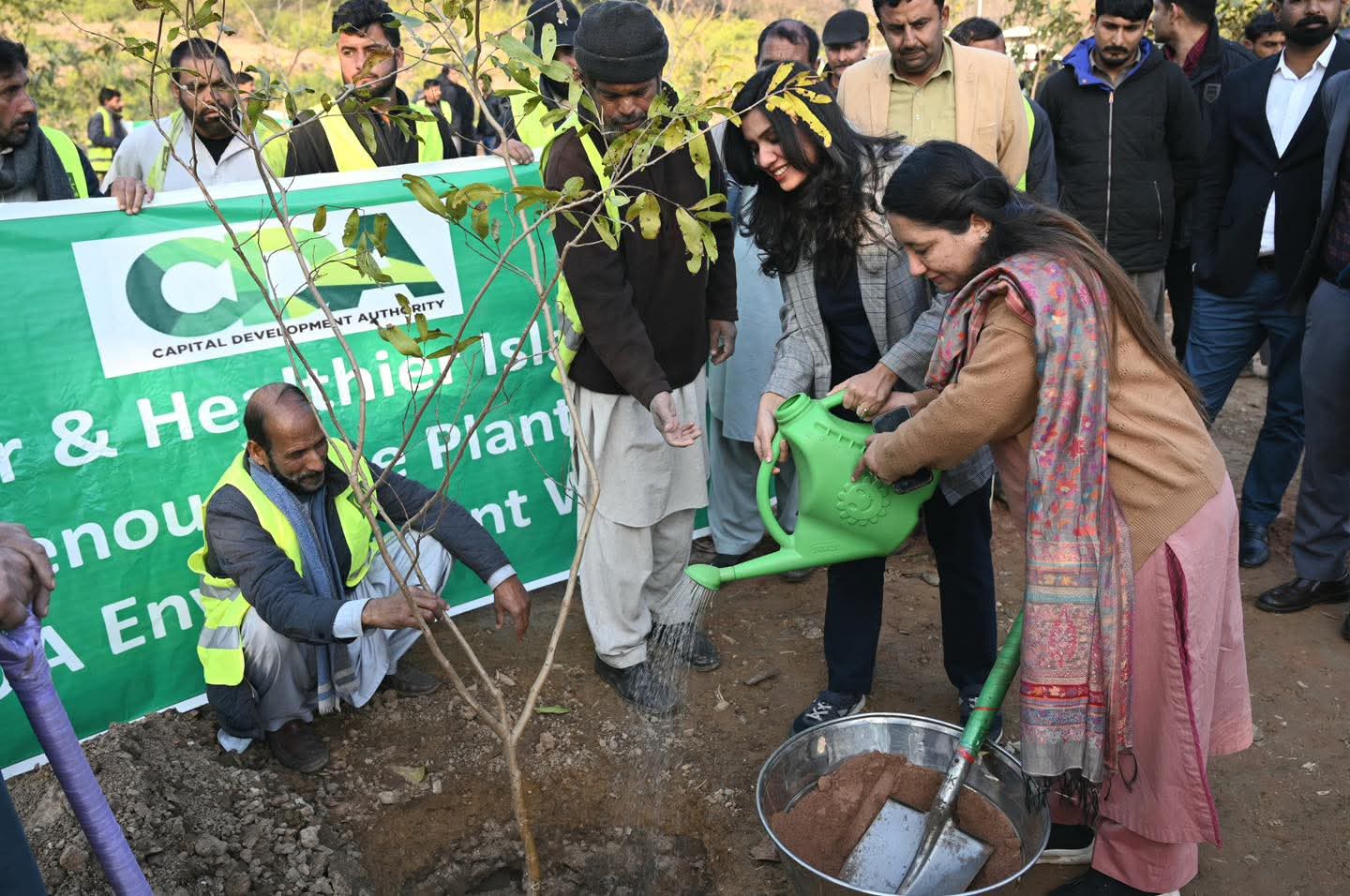
ISLAMABAD, Jan 07 (APP): Islamabad has witnessed a significant reduction in pollen allergy cases following a comprehensive, science-based initiative launched by the federal government to address one of the capital’s most persistent public health challenges.
Under the directives of the Prime Minister, a detailed roadmap to combat pollen allergy was developed under the supervision of Minister of State for National Health Services Dr. Mukhtar Ahmad Malik, with coordinated implementation by the Capital Development Authority (CDA) and the Ministry of National Health Services.
According to official data available with APP, more than 29,000 allergenic Paper Mulberry trees—identified as the primary source of pollen allergies in Islamabad—have been systematically removed through a three-phase, scientifically planned operation.

When contacted CDA spokesperson clarified that the initiative exclusively targeted Paper Mulberry trees, while all indigenous and non-allergenic species were preserved.
He said the operation was carried out after proper mapping, marking, and formal approvals, with implementation overseen by CDA’s Environment Wing.
The Security Directorate monitored the process to ensure transparency and strict compliance with environmental protocols.
Responding to public concerns, CDA Deputy Director General Environment Sania Pasha dismissed reports suggesting that trees were cut without planning, emphasizing that all removals followed documented procedures.
Major pollen-affected areas, including F-9 Park, Shakarparian, and several large residential sectors, were prioritized due to their historically high pollen concentration.
In Shakarparian alone, she said restoration work is currently underway across 81 acres, with completion targeted by April 2026.
To maintain ecological balance, Pasha maintained that the government adopted a 3:1 replacement policy, under which three local, non-allergenic trees are planted for every tree removed.
To a query, she said species such as Chinar, Amaltas, and Arjun were being introduced as part of the reforestation drive.
So far, more than 40,000 eco-friendly trees have been planted across Islamabad, while tenders for planting an additional 18,000 trees have been issued with private sector support, including OGDCL.
Health officials report measurable improvements as a result of the initiative.
Over the past two years, pollen vaccination cases have declined by 23 percent, while overall allergy cases in 2025 are less than half compared to 2023.
Notably, pollen-related cases during November and December 2025 were reported at record-low levels.
Medical experts note that nearly 37 percent of Islamabad’s population experiences pollen-related allergies each spring, underscoring the initiative’s importance as a public health intervention rather than an environmental compromise.
Complementing these efforts, scientific satellite-based analysis further confirms Islamabad’s improving environmental outlook.
According to the Normalized Difference Vegetation Index (NDVI) analysis, a comparative assessment between January 2023 and December 2025 shows a net increase of more than 9,000 acres in the city’s green cover.
The data indicates substantial vegetation growth in the Margalla Hills, while a reduction in green cover is observed in certain sectoral areas where planned urban development has taken place.
In the NDVI maps, green shades represent newly added or enhanced vegetation, whereas red dots indicate built-up or developed areas.

Overall, the NDVI findings clearly confirm that Islamabad’s total green cover has increased, reflecting a positive environmental trend alongside urban expansion.

Meanwhile, the CDA continues its broader afforestation drive across the capital to improve air quality, reduce pollution, and reinforce Islamabad’s reputation as a green city.
Officials maintain that the pollen control initiative and ongoing plantation campaigns are part of a unified, long-term strategy aimed at ensuring a healthier and more sustainable urban environment for residents.
/395