ISLAMABAD, Feb 18 (APP): The Samjhauta Express bombing of February 18, 2007, not only claimed innocent lives but also became a tragic case marked by unresolved questions, contested investigations, and persistent institutional reluctance to ensure accountability—leaving victims’ families still waiting for justice after 19 years. The attack targeted the Delhi-Lahore Samjhauta Express, a bi-weekly cross-border train launched as a rare symbol of India-Pakistan peace and people-to-people contact. It occurred near …
Samjhauta Express bombing: 19 years on, victims’ families still await justice amid unresolved questions
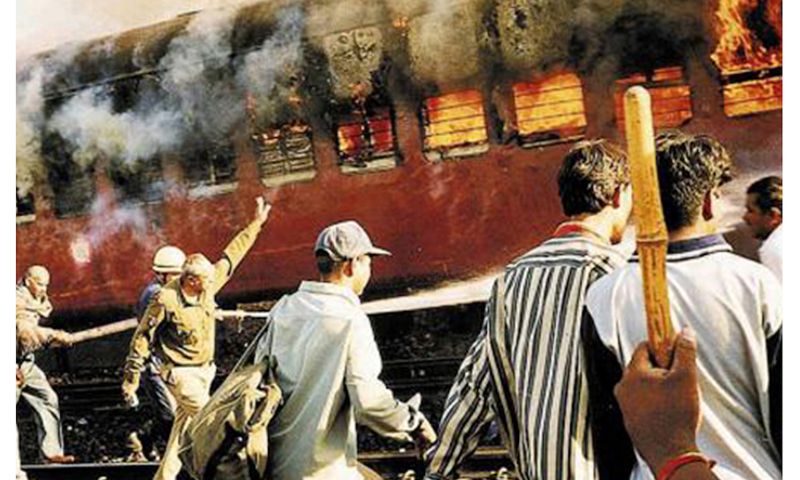
ISLAMABAD, Feb 18 (APP): The Samjhauta Express bombing of February 18, 2007, not only claimed innocent lives but also became a tragic case marked by unresolved questions, contested investigations, and persistent institutional reluctance to ensure accountability—leaving victims’ families still waiting for justice after 19 years.
The attack targeted the Delhi-Lahore Samjhauta Express, a bi-weekly cross-border train launched as a rare symbol of India-Pakistan peace and people-to-people contact. It occurred near Diwana station in Panipat, Haryana, roughly 80 km north of New Delhi.
Suitcases packed with explosives, incendiary chemicals, fuel-filled plastic bottles, and digital timers encased in transparent plastic were placed inside two passenger coaches largely occupied by Pakistani civilians and pilgrims. The resulting explosions and fire killed about 68–70 people and injured around 50, making it one of the deadliest train attacks affecting citizens of both countries.
The timing heightened suspicions about the motive, as the bombing took place one day before the Pakistani Foreign Minister’s scheduled arrival in New Delhi for peace talks—suggesting an intent to sabotage improving bilateral relations and undermine the only active rail link between the two states.
Investigative developments later pointed to Hindutva-linked extremist circles, with RSS-associated suspects including Swami Aseemanand, Lokesh Sharma, Kamal Chauhan, and Rajinder Chaudhary identified as key accused. Aseemanand’s publicly cited ideological slogan “Bomb ka badla bomb” was viewed by critics as indicative of retaliatory militant thinking tied to the blast.
He had also faced allegations in other incidents, including the Mecca Masjid blast (May 18, 2007) and Ajmer Sharif blast (October 11, 2007), though he was ultimately acquitted in those cases as well.
The prosecution process drew sustained criticism. In March 2019, a special NIA court acquitted all the accused, stating that the National Investigation Agency failed to establish guilt beyond a reasonable doubt.
Observers highlighted delays, evidentiary inconsistencies, missing documents, hostile witnesses, and allegations of tampering—arguing that the investigation appeared half-hearted and structurally weak, effectively allowing suspects to walk free.
Further controversy surrounded the fate of alleged conspirators. Sunil Joshi, described as a central planner, was shot dead in December 2007 near his home in Dewas district, Madhya Pradesh, in circumstances widely described as suspicious. Other alleged operatives—Ramchandra Kalsangra, Sandeep Dange, and Amit—were never apprehended and were declared proclaimed offenders, leaving the case with unresolved operational links.
Judicial decisions also fueled questions about transparency. NIA Judge Jagdeep Singh rejected a Pakistani victim’s request to present eyewitness testimony from Pakistan—a move critics interpreted as limiting cross-border evidentiary input in a case where most victims were Pakistani nationals.
Additional concerns emerged from overlapping investigations. Hemant Karkare, chief of Maharashtra’s Anti-Terrorism Squad, while probing the Malegaon blast (2006), reportedly encountered names overlapping with suspects linked to the Samjhauta bombing.
Karkare was later killed, and his widow reportedly submitted material before the Indian Supreme Court alleging that Col. Shrikant Prasad Purohit, an officer associated with Indian Military Intelligence, had links to the circumstances surrounding his death.
Critics have cited this to argue that sensitive leads pointing toward extremist networks and possible institutional connections were never fully pursued.
The peace-train symbolism of the Samjhauta Express, the targeting of Pakistani passengers, the politically sensitive timing before diplomatic talks, the deaths of key figures, the continued absence of several accused, and the ultimate acquittal due to investigative failures have been cited by critics as indications that the attack sought to derail India-Pakistan rapprochement while the case itself remains shrouded in unresolved questions and allegations of reluctance to secure accountability.