ISLAMABAD, Jun 4 (APP):Amid evolving global supply chains and increasing geopolitical uncertainty, transport connectivity is emerging as a critical driver of economic security and sustainable development, according to an article issued by the Embassy of Uzbekistan in Islamabad. The article, authored by leading specialists Sh. Akhmedov and M. Tohirov of the Center for the Study of Transport and Logistics Development Problems under Uzbekistan’s Ministry of Transport, highlighted the growing importance …
Russian-Uzbek transport Partnership strengthens Eurasian connectivity amid global economic shifts
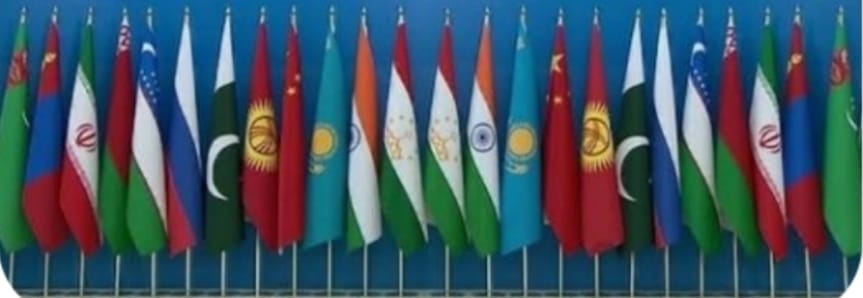
ISLAMABAD, Jun 4 (APP):Amid evolving global supply chains and increasing geopolitical uncertainty, transport connectivity is emerging as a critical driver of economic security and sustainable development, according to an article issued by the Embassy of Uzbekistan in Islamabad.
The article, authored by leading specialists Sh. Akhmedov and M. Tohirov of the Center for the Study of Transport and Logistics Development Problems under Uzbekistan’s Ministry of Transport, highlighted the growing importance of comprehensive transport and logistics cooperation between the Russian Federation and the Republic of Uzbekistan.
The article emphasized that the most strategically important area of cooperation is the development of new international transport corridors, particularly the multimodal route linking Belarus, Russia, Kazakhstan, Uzbekistan, Afghanistan and Pakistan.The corridor initiative was launched through a memorandum signed during the first Shanghai Cooperation Organization (SCO) Transport Forum in 2023.
In April 2024, the first working-group meeting was held in Termez, resulting in the adoption of a roadmap focused on cargo-flow analysis, implementation of electronic documentation and customs modernization.
Following Pakistan’s accession to the memorandum, additional meetings were held throughout 2025 to finalize tariff arrangements, logistics mechanisms and pilot container shipments along the route.
The authors noted that the current phase of global economic transformation has elevated the strategic significance of transport corridors, particularly across Eurasia, where Russia and Uzbekistan are becoming key pillars in the emerging architecture of international transit routes.
According to the article, Russian-Uzbek transport cooperation demonstrated robust growth in 2025, with total freight traffic reaching 18.2 million tons, marking a 13.6 percent increase over the previous year. Exports accounted for 3.6 million tons, imports for 9.2 million tons, while transit cargo reached 5.4 million tons.
Rail transport continued to dominate freight movement between the two countries. In 2025, rail cargo volumes rose to 12.9 million tons, reflecting a 12.3 percent increase, while transit traffic expanded by nearly 15 percent to 4.8 million tons.
A major milestone in industrial cooperation has been the implementation of a large-scale project to transfer the Tashkent Passenger Carriage Construction and Repair Plant into the trust management of Transmashholding JSC.
The agreement envisages complete modernization of the facility by the end of 2026, with phased privatization planned thereafter.
The article also highlighted the restoration of passenger rail services on the Tashkent–Moscow and Tashkent–Kazan routes. Plans are underway to launch direct train services between Andijan and Moscow and establish rail links connecting key tourist destinations in both countries.
Road transport cooperation has also expanded significantly. By the end of 2025, road freight volumes exceeded 5.2 million tons, registering a 16.5 percent increase.
Regular passenger bus services now connect Tashkent with major Russian cities, including Novosibirsk, Kazan, Perm, Krasnodar, Ufa, Moscow and St. Petersburg.
Additional routes to Nizhny Novgorod, Tyumen and Yekaterinburg are scheduled for launch between 2026 and 2028.
Efforts are also underway to improve service quality through unified standards, monitoring systems and digital solutions such as electronic ticketing.
In aviation, more than 34,000 bilateral flights were operated in 2025, representing a 4.8 percent increase and transporting over 4.2 million passengers.
Currently, approximately 340 flights per week operate between the two countries, involving more than 45 Russian airlines and leading Uzbek carriers, including Uzbekistan Airways, Qanot Sharq, Panorama Airways and My Freighter.
A significant breakthrough was achieved during talks between aviation authorities in Moscow in June 2025, where both sides agreed to expand flight frequencies to 1,000 scheduled flights per week. Full utilization of these quotas could increase annual passenger capacity to more than 16 million travelers.
The authors observed that the corridor has the potential to become one of the most important transport arteries in Eurasia, creating direct logistics links between Belarus and Russia, Central Asian states and the rapidly growing markets of South Asia.
They concluded that Russian-Uzbek transport and logistics cooperation has evolved into a comprehensive strategic partnership. Through synchronized development of rail, road and air transport, deeper industrial collaboration and joint investment in new transit corridors, both countries are helping build a resilient framework for regional connectivity and economic growth across Greater Eurasia.