ISLAMABAD, Jan 22 (APP):The government has spent more than Rs. 52 billion to extend telecom services to remote and underserved areas across the country, but significant coverage gaps persist due to commercial and technical constraints, the National Assembly was informed on Thursday. Parliamentary Secretary Sajid Mehdi, responding to multiple questions during Question Hour, said most telecom infrastructure in Pakistan had been developed by the private sector, which expanded networks primarily …
Rs52bn spent to extend telecom to remote areas, but gaps remain, NA told
ISLAMABAD, Jan 22 (APP):The government has spent more than Rs. 52 billion to extend telecom services to remote and underserved areas across the country, but significant coverage gaps persist due to commercial and technical constraints, the National Assembly was informed on Thursday.
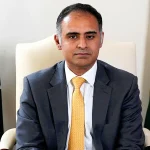
Parliamentary Secretary Sajid Mehdi, responding to multiple questions during Question Hour, said most telecom infrastructure in Pakistan had been developed by the private sector, which expanded networks primarily on the basis of commercial feasibility.
As a result, he said, service coverage remained uneven in several parts of the country, particularly in far-flung and low-revenue regions.
He said the government was attempting to bridge these gaps through the Universal Service Fund (USF), under which more than Rs52bn had been spent to extend connectivity to remote areas, including Balochistan.
However, he acknowledged that progress in some regions remained slow because private operators were reluctant to participate in tenders owing to low commercial returns, security concerns and lack of supporting infrastructure.
The parliamentary secretary said similar challenges were being faced along certain motorway stretches, where the absence of electricity and low business viability discouraged service providers from expanding coverage.
Replying to questions about the availability of 3G and 4G services, he said telecom companies invested in areas where operations were commercially viable, citing Islamabad and other regions as examples where coverage remained inconsistent due to profitability considerations.
Responding to a separate question, Mehdi said the Pakistan Telecommunication Authority (PTA) had no role in the ongoing dispute related to withheld funds following the privatisation of Pakistan Telecommunication Company Limited (PTCL), clarifying that the matter was a long-standing commercial and legal issue between the company and the government.
He also told the House that the PTA could not block or restrict internet services on its own and only acted on formal directions from the Ministry of Interior or law enforcement agencies in cases involving security concerns.
He said that while incidents of online fraud and hacking were a serious issue, regulatory action could only be taken once verified information or complaints were received from the relevant authorities.
The parliamentary secretary stressed that national security remained paramount, adding that improving the law and order situation would encourage greater private investment in telecom infrastructure and help expand coverage and improve service quality.