Health experts have warned that the reuse of shaving blades and contaminated grooming instruments at barber shops can expose customers to hepatitis C.
Reused barber blades pose hepatitis C risk: Health experts
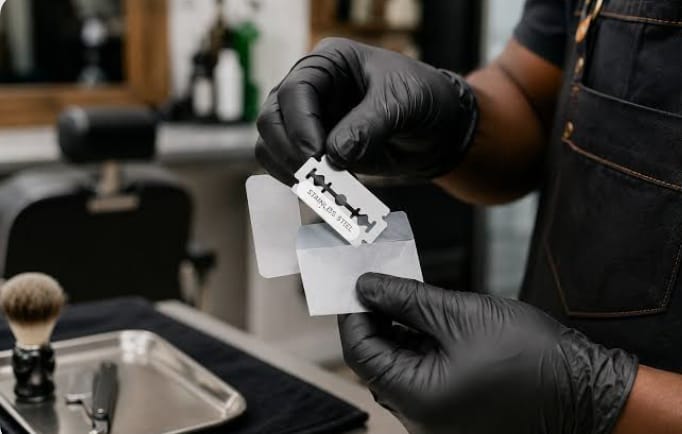
ISLAMABAD, Nov 09 (APP): Health experts have warned that the reuse of shaving blades and contaminated grooming instruments at barber shops can expose customers to hepatitis C.
According to them, citizens should insist on fresh disposable blades and properly sterilized equipment to prevent potentially life-threatening infections.
Pakistan faces a serious hepatitis burden, with hepatitis C among the major public health challenges. Medical experts say the disease often remains undetected for years because many infected people do not develop noticeable symptoms during its early stages.
An ordinary visit to a barber shop for a haircut, shave, or beard trimming can become a serious health risk if old shaving blades, contaminated razors and improperly sterilized instruments are reused on multiple customers.
Even a minor cut during shaving can allow infected blood left on a previously used blade to enter another person’s bloodstream, potentially transmitting hepatitis C and other blood-borne infections.
Health expert Dr Laiq Khalid said hepatitis C was primarily transmitted through contact with infected blood, making the reuse of shaving blades and contaminated instruments a significant preventable health risk.
He emphasized that customers should never allow barbers to use an old blade, regardless of whether it appeared clean or had been wiped with a piece of cloth.
He advised customers to insist on a new disposable blade and watch the barber open its packaging in front of them. He also stressed that barbers had an equal responsibility to follow hygiene standards to protect their customers.
Medical practitioner Dr Imran Tasawar said the danger was not confined to shaving blades alone, as contaminated razors, scissors, trimmers and other grooming instruments could also pose health risks if they came into contact with infected blood and were not properly disinfected.
He said barbers should maintain clean equipment, ensure proper sterilization of reusable instruments and immediately dispose of used blades in designated safety containers.
He also advised citizens against sharing personal grooming items, including razors, toothbrushes and nail cutters, even among family members, as these could become sources of infection if contaminated with infected blood.
Explaining other major transmission routes, he said the use of unsterilized medical and dental instruments, unsafe injections and transfusion of unscreened blood could also spread hepatitis B and C.
Medical Specialist Dr Fareed Khan said hepatitis C was particularly concerning because infected individuals could remain unaware of their condition for years, allowing the disease to progress silently.
He explained that persistent fatigue, weakness, nausea, vomiting and jaundice could be warning signs of liver-related illness, although many patients might not experience symptoms until the disease had advanced.
He added that prolonged hepatitis B and C infections could cause serious liver complications, including cirrhosis and liver cancer, if left untreated.
Dr. Khan emphasized that hepatitis C was now a curable disease, while hepatitis B could also be effectively controlled through appropriate medical treatment and regular monitoring.
Health experts further highlighted the importance of preventive measures, including hepatitis B vaccination, particularly for children and individuals at increased risk of infection.
They advised citizens to use only new disposable syringes, ensure blood transfusions were obtained from authorized facilities after proper screening, and avoid sharing personal items that could come into contact with blood.
The doctors also stressed the importance of clean drinking water, proper handwashing and food hygiene to prevent hepatitis A and E, which generally spread through contaminated food and water.
They urged people with possible exposure to contaminated instruments or other risk factors to undergo screening rather than wait for symptoms to appear.
Medical experts said public awareness, responsible practices at barber shops, safe healthcare procedures and early diagnosis were essential to reducing the spread of hepatitis.
They emphasized that insisting on a fresh shaving blade was a small but important precaution that could protect individuals, their families and the wider community from a potentially serious infection.