ISLAMABAD, Feb 18 (APP):The Punjab government is considering providing interest-free loans to entrepreneurs in the commercial poultry sector, particularly for value-addition units such as processing plants and cold storage facilities besides exploring options to facilitate the import of state-of-the-art machinery. “Various plans are being discussed with stakeholders to formulate a policy in this regard,” said Dr Sajjad Hussain Kashfi, Director General (Research), Punjab Livestock Department. The poultry sector remains a …
Punjab mulls interest-free loans for commercial poultry industry
ISLAMABAD, Feb 18 (APP):The Punjab government is considering providing interest-free loans to entrepreneurs in the commercial poultry sector, particularly for value-addition units such as processing plants and cold storage facilities besides exploring options to facilitate the import of state-of-the-art machinery.
“Various plans are being discussed with stakeholders to formulate a policy in this regard,” said Dr Sajjad Hussain Kashfi, Director General (Research), Punjab Livestock Department.
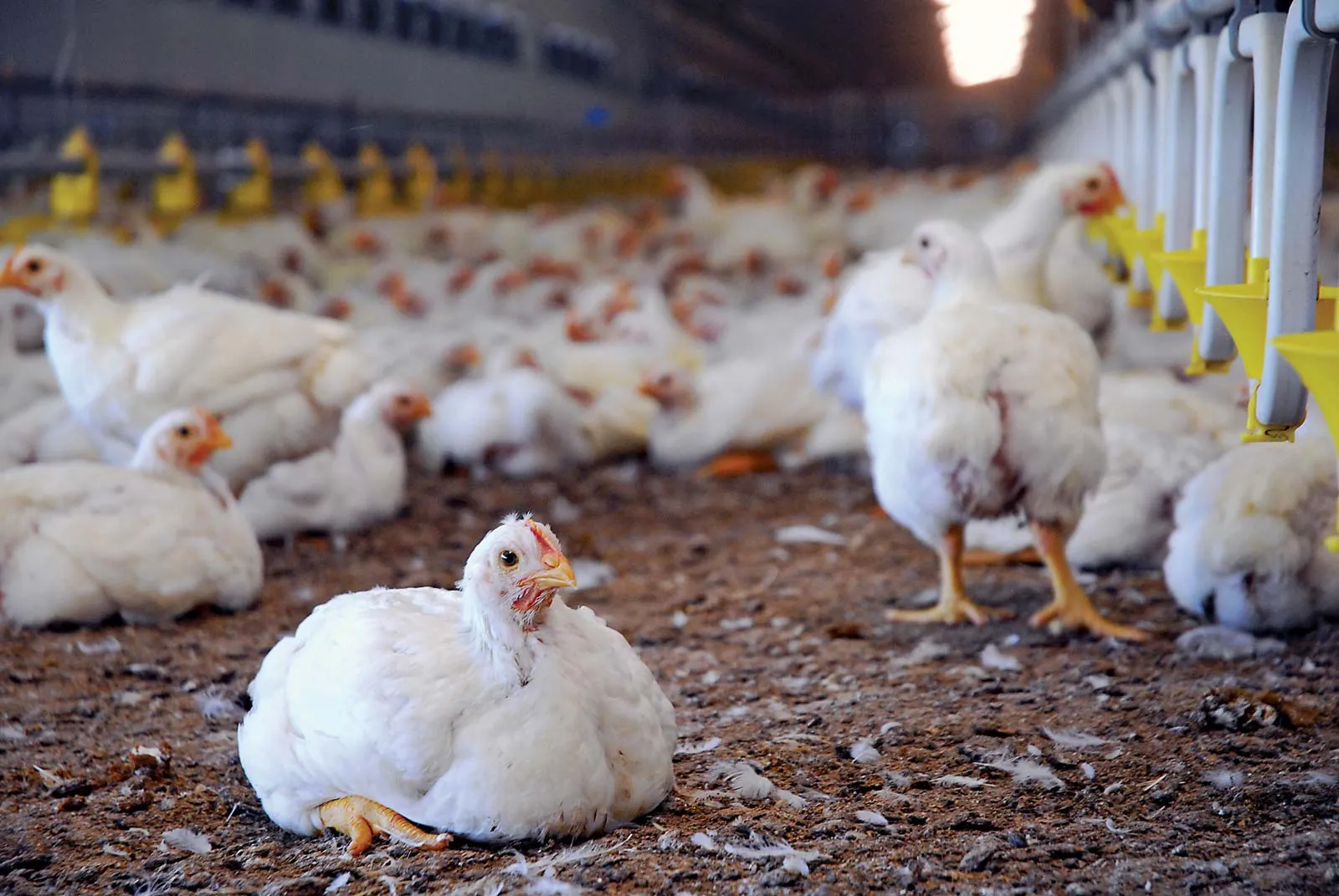
The poultry sector remains a key component of Punjab’s economy. More than 70% of total poultry farming, 80% of egg production, 85% of feed production, and all poultry processing units in Pakistan are located in Punjab.
Talking to Wealth Pakistan, Dr Kashfi said the Livestock Department is conducting research to address industry-related challenges while fostering a business-friendly environment through the implementation of relevant laws and regulations.
He noted that the poultry meat plays a critical role in stabilizing the prices of mutton, beef, and pulses. Any disruption in the poultry sector can have spillover effects on essential food items and overall food security, he added.
He said the Poultry Research Institute (PRI) Rawalpindi is providing diagnostic services to farms through its extensive
provincial network. He added that the institute also trains farm workers in flock management and offers extension services for disease prevention and treatment.
Dr Abdul Karim Bhatti, former central chairman of Pakistan Poultry Association (PPA), said that with an investment exceeding Rs700 billion only in Punjab, the sector has generated around 1.5 million jobs, particularly in rural areas.
He said Punjab, with an estimated 4,866 layer farms, 17,405 broiler farms, and numerous high-density controlled sheds, remains a key driver of affordable white meat and egg supply for Pakistan’s population of over 250 million.
Dr Bhatti highlighted the importance of encouraging documented and hygienic processing, noting that a policy environment that promotes processed and branded meat would strengthen food safety standards and consumer health outcomes.
Dr Bhatti said that a predictable and market-oriented pricing mechanism would further enhance investor confidence and help producers manage both upward and downward price cycles more effectively. “Poultry is a dynamic business driven by demand and supply, and a stable, business-friendly environment will enable it to continue contributing to food security, employment, and economic growth,” he added.
He maintained that with consistent policy support and a level playing field, the poultry industry in Punjab is well-positioned to expand operations, sustain rural livelihoods, and meet the country’s growing protein needs.