The Punjab Government on Monday rolled out a fully digital wheat procurement system across the province as harvesting gathers momentum, aiming to stabilise prices at Rs3,500 per 40kg, ensure transparency in payments, and streamline operations through a technology driven framework, officials said.
Punjab launches fully digital wheat procurement system to stabilise prices, empower farmers
ISLAMABAD, Apr 20 (APP):The Punjab Government on Monday rolled out a fully digital wheat procurement system across the province as harvesting gathers momentum, aiming to stabilise prices at Rs3,500 per 40kg, ensure transparency in payments, and streamline operations through a technology driven framework, officials said.
With fresh crop arrivals underway, the government expects wheat production to surpass 22.5 million metric tons this season despite weather-related disruptions, including rains and hailstorms.
Simultaneously, procurement operations have commenced at 233 centres established across the province.
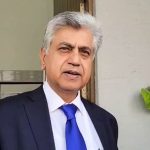
“We have fundamentally reformed the wheat procurement framework by introducing a fully digital and streamlined system,” Director General Food Department Punjab Amjad Hafeez told Wealth Pakistan.
Under the new system, farmers are required to register through the Bardana App developed by the Punjab Information Technology Board, enabling a transparent allocation of subsidised gunny bags.
The government has approved a Rs6 billion bardana subsidy, which is being disbursed through digital channels.
The policy prioritises small farmers who constitute over 90 per cent of the province’s agricultural community by setting an eligibility cap of 12 acres per farmer and a procurement benchmark of 25 maunds per acre to ensure equitable participation.
Officials said the framework significantly curtails the role of middlemen, with payments being transferred directly into farmers’ bank accounts, enhancing financial transparency and accountability.
In addition, the government plans to procure up to 3 million metric tons of wheat through aggregators to help establish a market benchmark for prices, including transactions involving flour mills and private buyers.
Responding to concerns, Mr Hafeez clarified that the policy does not restrict open market activity, adding that poultry and feed units remain free to procure wheat in line with prevailing market conditions.