
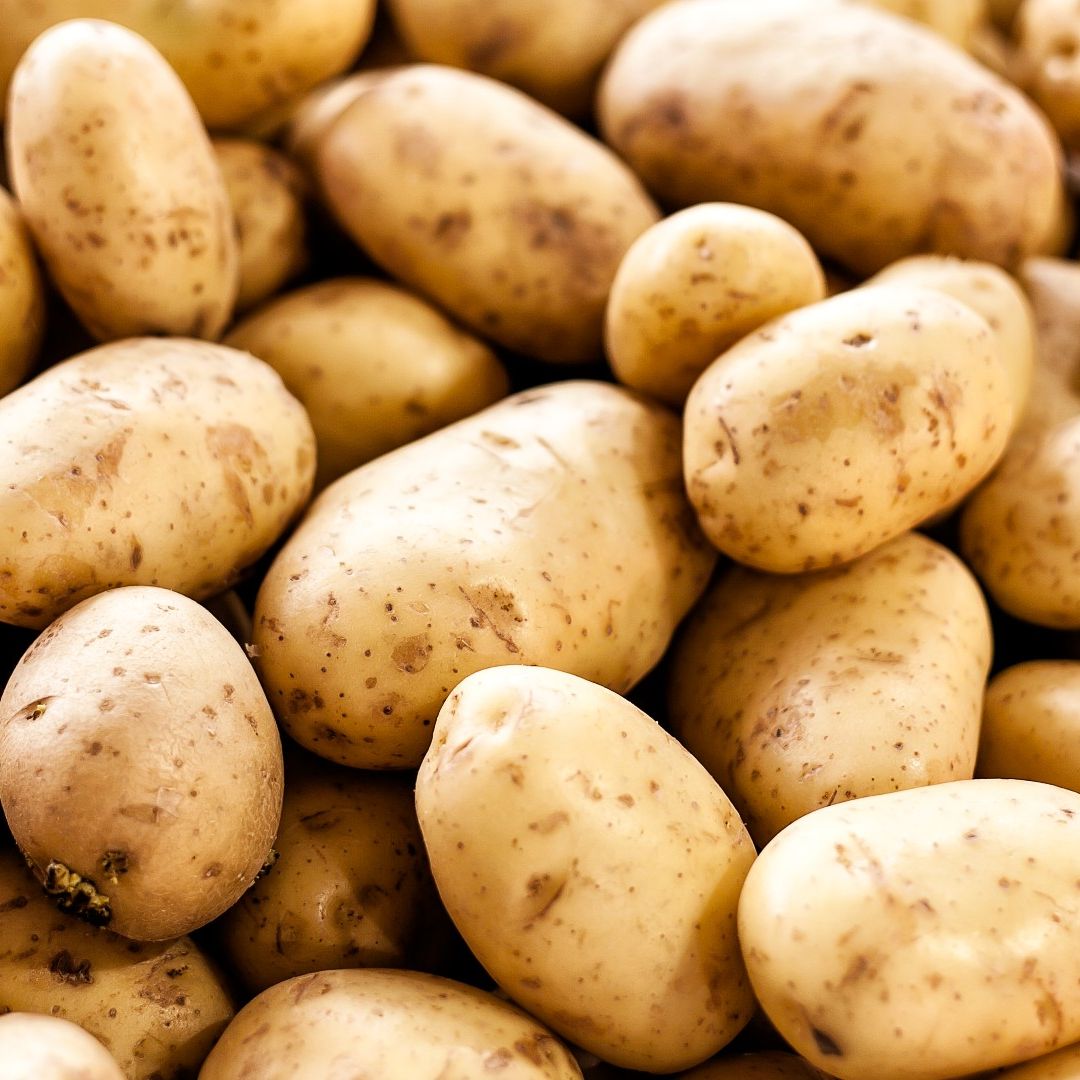

ISLAMABAD, Feb 17 (APP):Large-scale potato processing and dehydration are emerging as powerful new growth avenues for Punjab’s growers, following a bumper harvest that has created significant opportunities for value addition, export expansion, and rural job creation.
Punjab has recorded an impressive 12 million metric tons of potato production in the 2025-26 season — a 25% increase over the previous year. While higher output has expanded supply, experts believe the surplus presents a strategic opportunity to accelerate industrial processing and strengthen the entire value chain.
“Value addition of the potato crop may be the most effective way to generate sustainable income for farmers,” Dr. Ahmad Din, Assistant Professor at the National Institute of Food Science and Technology in Faisalabad, told Wealth Pakistan.
He explained that globally, less than half of total potato production is consumed fresh, with the remainder processed into frozen French fries, crisps, flakes, powder, starch, and canned products.
He noted that potatoes that might otherwise face limited fresh-market absorption can be converted into higher-value products for both domestic and international markets.
With competitive pricing and strong production volumes, Pakistan is well-positioned to expand its processing footprint and capture a larger share of global trade.
Currently, Pakistan produces potato crisps and French fries on a relatively large scale, while output of starch and other processed derivatives remains modest. Industry observers say this gap itself reflects untapped potential.
French fries, in particular, present robust export prospects due to strong international demand and rising domestic consumption.
Expanding frozen food infrastructure, improving cold chain logistics, and investing in dehydration plants could further enhance export readiness.
Experts have urged the federal and Punjab governments to introduce targeted incentives for establishing new processing and dehydration facilities. Such measures, they say, would not only absorb surplus production but also create value-added manufacturing jobs and strengthen rural industrialization.
Growers have also highlighted the importance of cultivating varieties suitable for processing. “For value addition, potatoes must have high Dry Matter Content (DMC) to produce quality chips, snacks, flour, and starch,” said Chaudhary Maqsood Jutt, Chairman of the Potato Growers Society.
He noted that varieties such as Lady Rosetta, Sante, Mozika, and Astrex are particularly suitable for processing due to their higher DMC levels.
Out of more than 100 potato varieties grown nationwide, only about half a dozen meet the requirements for industrial use, underscoring the need for strategic crop planning.
Maqsood Jutt, who is also former chairman of the Potato Research and Development Board, emphasized that aligning cultivation patterns with end-use demand can significantly enhance profitability.
“A portion of the crop should serve table consumption, while a larger share can be directed toward commercial and industrial processing,” he said.
Pakistan currently has around a dozen large processing plants, though only one or two are owned by growers themselves. Stakeholders believe expanding grower-owned value addition facilities will strengthen farmers’ bargaining power and promote sustainable sectoral growth.
With rising production, improving technical know-how, and growing global demand for processed potato products, Punjab’s potato sector is increasingly viewed as a promising contributor to agro-industrial development and export diversification.
Industry experts say that strategic investment in processing, variety development, and infrastructure can turn current output gains into long-term economic strength for growers and the broader agricultural economy.