
- Advertisement -
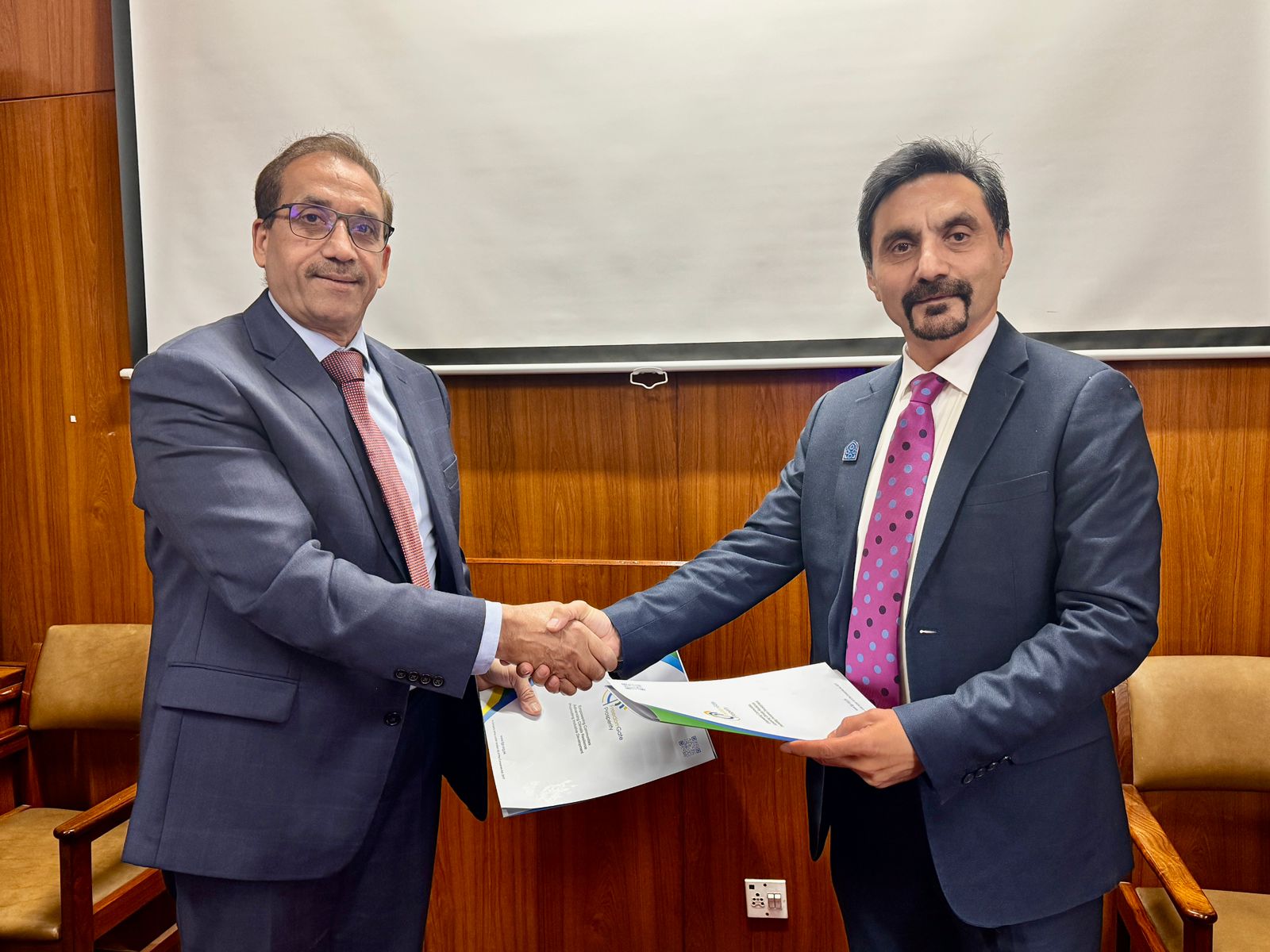
ISLAMABAD, Feb 07 (APP): Pakistan National Commission for UNESCO (PNCU) and Freedom Gate Prosperity (FGP) have signed a Memorandum of Understanding (MoU) to establish a strategic collaboration framework aimed at advancing UNESCO-aligned priorities in Pakistan, including education, climate action, youth development, digital citizenship, culture, and knowledge partnerships.
The MoU was formally signed in Islamabad by Aftab Muhammad Khan, Secretary General of the Pakistan National Commission for UNESCO, and Muhammad Anwar, Chief Executive Officer of Freedom Gate Prosperity, according to a press release.
The partnership seeks to promote inclusive development, sustainable practices, and knowledge-based social transformation through joint initiatives and coordinated programming.
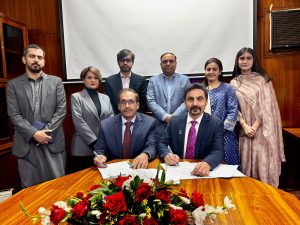
The signing ceremony was attended by officials and team members from both organizations. Raja Imran ul Haq participated on behalf of PNCU, along with other colleagues, while the Freedom Gate Prosperity delegation included Sabrina Shahzad Durrani, Dr. Shahbaz Tariq, and other team members.
Under the agreement, both organizations will collaborate on Education for Sustainable Development, Global Citizenship Education, climate resilience and green livelihoods, youth entrepreneurship, media and information literacy, and community-centered innovation programs. The partnership also emphasizes joint research, policy engagement, and the production of knowledge resources to strengthen evidence-based development approaches.
Speaking at the ceremony, Aftab Muhammad Khan stated that the collaboration reflects PNCU’s commitment to strengthening partnerships with credible civil society organizations in order to advance national development priorities and global education and sustainability agendas.
Muhammad Anwar highlighted that the partnership will enable stronger alignment between grassroots initiatives and international development standards, helping to expand access to quality education, promote climate awareness, and empower youth and women with future-ready skills.
“MoU provides a non-exclusive framework for cooperation and allows both institutions to jointly mobilize resources, design pilot initiatives, organize national dialogues, and implement programs through mutually agreed work plans,” he concluded.