
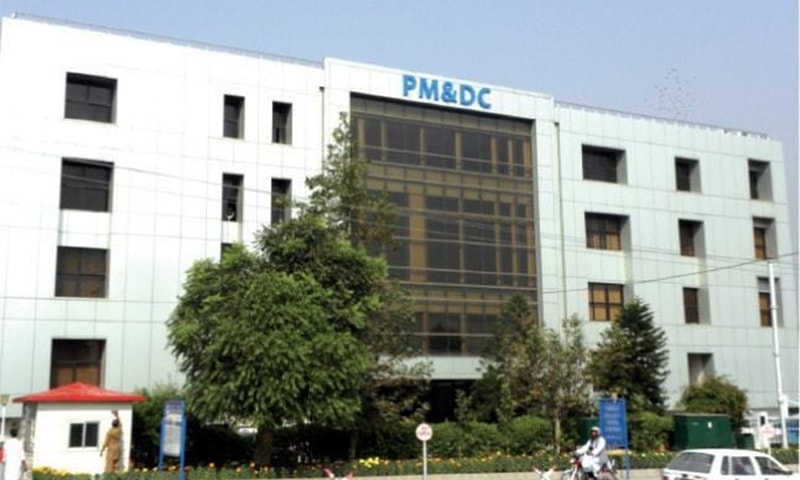

ISLAMABAD, Mar 02 (APP):The Pakistan Medical and Dental Council (PM&DC) has approved and enforced a comprehensively revised code of ethics for all Registered Medical and Dental Practitioners (RMDPs) and recognized institutions across the country.
According to PM&DC, this is a significant step toward enhancing patient safety and professional accountability.
The updated code, endorsed after two years of extensive review, aims to strengthen ethical governance, address modern clinical challenges, and align national standards with evolving legal and professional frameworks.
PM&DC President Prof Dr Rizwan Taj said that adherence to ethical standards is fundamental to safe, high-quality healthcare and essential for maintaining public trust in the medical profession.
He emphasized that the revised Code prioritizes patient safety, dignity, confidentiality, and informed consent, while reinforcing accountability in clinical practice, research, teaching, and professional conduct.
The new framework also enhances disciplinary oversight, promotes non-discrimination and equitable care, and provides clear guidance on managing conflicts of interest to ensure integrity in professional interactions.
A key feature of the reform is the introduction of inclusive guidelines for the admission and professional practice of persons with disabilities.
The measures are aligned with national disability laws and Pakistan’s international commitments, including the United Nations Convention on the Rights of Persons with Disabilities (UNCRPD), the WHO Global Disability Action Plan, and World Federation for Medical Education (WFME) standards.
Under the revised Code, a structured two to five percent disability quota has been introduced in recognized medical and dental institutions.
Admissions will be based on functional capacity assessments along with established academic criteria such as MDCAT and FSc/IBCC equivalence.
Licensure and professional practice eligibility will depend on the ability to safely perform essential duties, with reasonable accommodations including assistive technologies, accessible facilities, adapted training environments, and modified examination arrangements.
To ensure transparency, PM&DC will establish multidisciplinary Medical Fitness Boards at the federal and provincial levels.
These boards will include medical specialists and a disability rights representative to conduct functional assessments, recommend suitable disciplines, certify fitness for licensure with accommodations where required, and provide an appeals mechanism.
Practitioners will also undergo reassessment every five years to ensure continued competence and patient safety.
Prof. Dr. Rizwan Taj reiterated that while inclusion is a legal and moral obligation, patient safety remains the Council’s foremost priority.
He clarified that no candidate will be denied opportunities solely based on disability; however, formal assessments will determine their capacity to perform essential professional duties safely and effectively.
Recognized institutions are now required to establish Disability Support Units, train faculty in inclusive practices, and submit annual compliance reports.
Regulatory action will be taken against institutions that fail to comply or conceal safety-related conditions.
The revised Code of Ethics is now in full effect. PM&DC has termed the reform a defining milestone in strengthening ethical standards, promoting inclusive excellence, and ensuring safe, competent, and dignified healthcare for patients across Pakistan.