Prime Minister, Muhammad Shehbaz Sharif, on Thursday reaffirmed the government’s commitment to ensuring the protection, welfare and holistic development of children, pledging equal access to quality education, healthcare, nutrition and opportunities for every child across the country.
PM reaffirms commitment to protection, welfare, rights of children
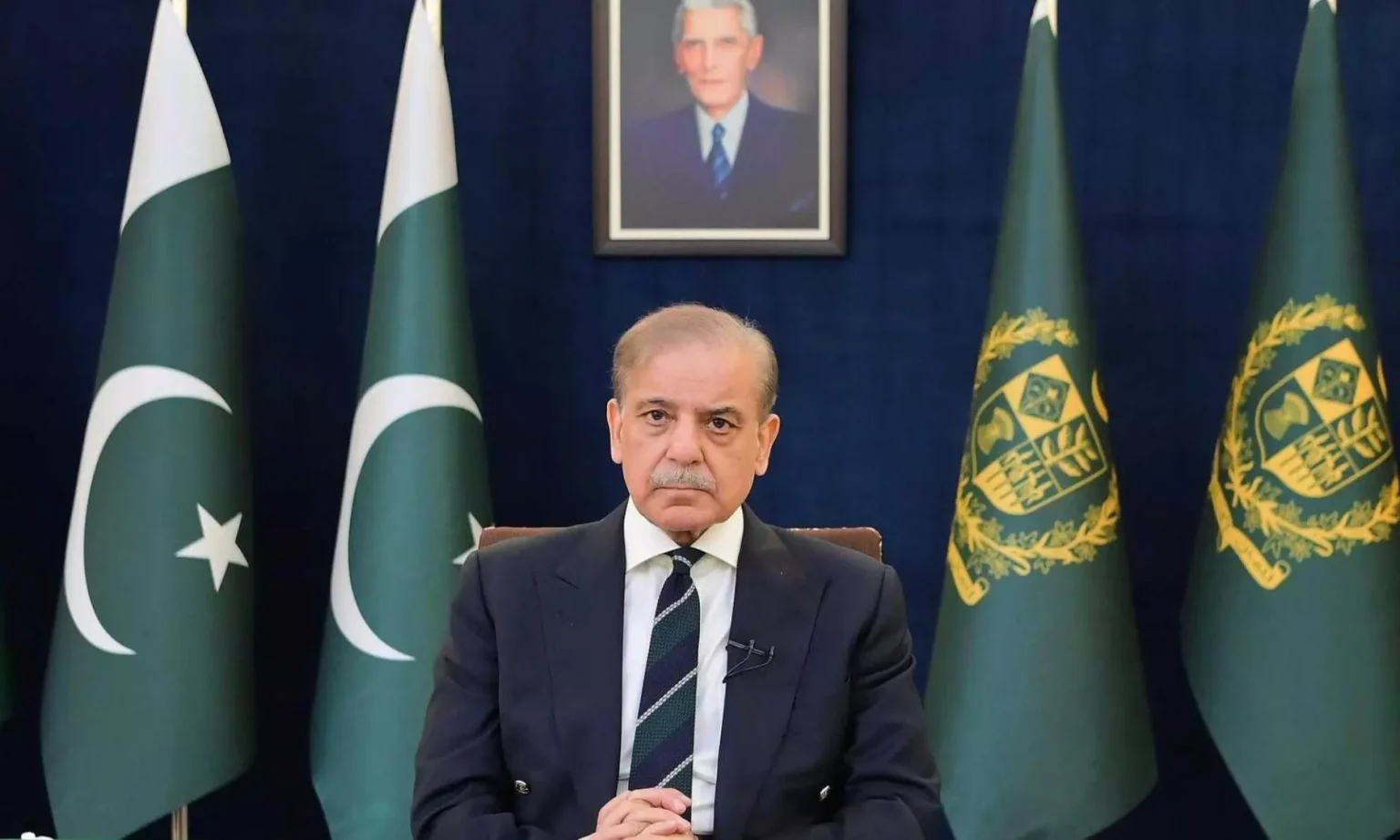
ISLAMABAD, Nov 19 (APP): Prime Minister, Muhammad Shehbaz Sharif, on Thursday reaffirmed the government’s commitment to ensuring the protection, welfare and holistic development of children, pledging equal access to quality education, healthcare, nutrition and opportunities for every child across the country.
In his message on the occasion of World Children’s Day, being observed on November 20, the prime minister said Pakistan was committed to taking every possible measure to safeguard children’s physical and mental well-being, intellectual growth, education and fundamental rights.
He described children as the architects of the nation’s bright future and custodians of its cultural heritage, traditions and values.
Referring to this year’s theme, “My Day, My Rights, My Future,” the prime minister said it underscored the importance of placing children’s rights, welfare and well-being at the centre of collective efforts.
He emphasised that children must have a meaningful voice in decisions affecting their lives, adding that their views, aspirations and feelings should be heard, respected and duly considered at individual, societal and state levels.
“Only a society that listens to its children can ensure a just, inclusive and prosperous future,” he observed.
The prime minister said Pakistan remained firmly committed to fulfilling its obligations under the United Nations Convention on the Rights of the Child (UNCRC).
Highlighting recent initiatives, he said the government, in collaboration with the World Health Organization (WHO) and UNICEF, launched Pakistan’s first National Strategy to End Violence Against Children (2026-2031) in October. The strategy provides a comprehensive framework for a coordinated national response to preventing and addressing all forms of violence, including child abuse and exploitation.
He also referred to the review of Pakistan’s sixth and seventh combined periodic reports by the United Nations Committee in January, describing it as a reflection of the country’s continued commitment to international human rights obligations.
At the national level, he said the Constitution provided the foundation for protecting and promoting children’s rights, while the government was translating these guarantees into practical measures through legislative, policy and institutional initiatives.
He cited the launch of the Islamabad Capital Territory Child Protection Policy 2026 and enactment of the Islamabad Capital Territory Child Marriage Restraint Act 2025 as significant milestones towards establishing a comprehensive child protection framework.
The formulation of a national framework to address child marriage, forced marriage and other harmful practices further demonstrated the government’s commitment to safeguarding children, he added.
The prime minister also acknowledged the role of the National Commission on the Rights of the Child in monitoring, promoting and protecting children’s rights.
He said the government was committed to ensuring that every child, irrespective of socioeconomic background, had access to quality education, healthcare, nutrition, protection and equal opportunities.
The establishment of Danish Schools across the country was part of the government’s efforts to provide quality education and identify, nurture and develop children’s talents and potential, he added.
He said targeted measures were also being undertaken at the federal level to facilitate the enrollment of out-of-school children in educational institutions.
However, he noted that challenges such as child labour and malnutrition continued to require sustained attention, collective resolve and coordinated action by the government and all segments of society.
The prime minister urged provincial governments, civil society, the private sector, development partners, media, parents, teachers, religious scholars and communities to play their respective roles in creating a safe, inclusive and nurturing environment for every child.