ISLAMABAD, Dec 3 (APP):The Pakistan Institute of Development Economics (PIDE), in collaboration with the RASTA Competitive Research Grants Programme, on Wednesday held a seminar titled “Clean Air, Green Future: Smog Mitigation, Resilience and Carbon Credit Feasibility.” The event brought together researchers and policymakers to discuss Lahore’s escalating smog crisis, sectoral emissions and emerging behavioral solutions for sustainable mobility, a news release said. In first presentation, Associate Professor at LCWU and …
PIDE’s study reveals critical gaps in smog control, sustainable mobility
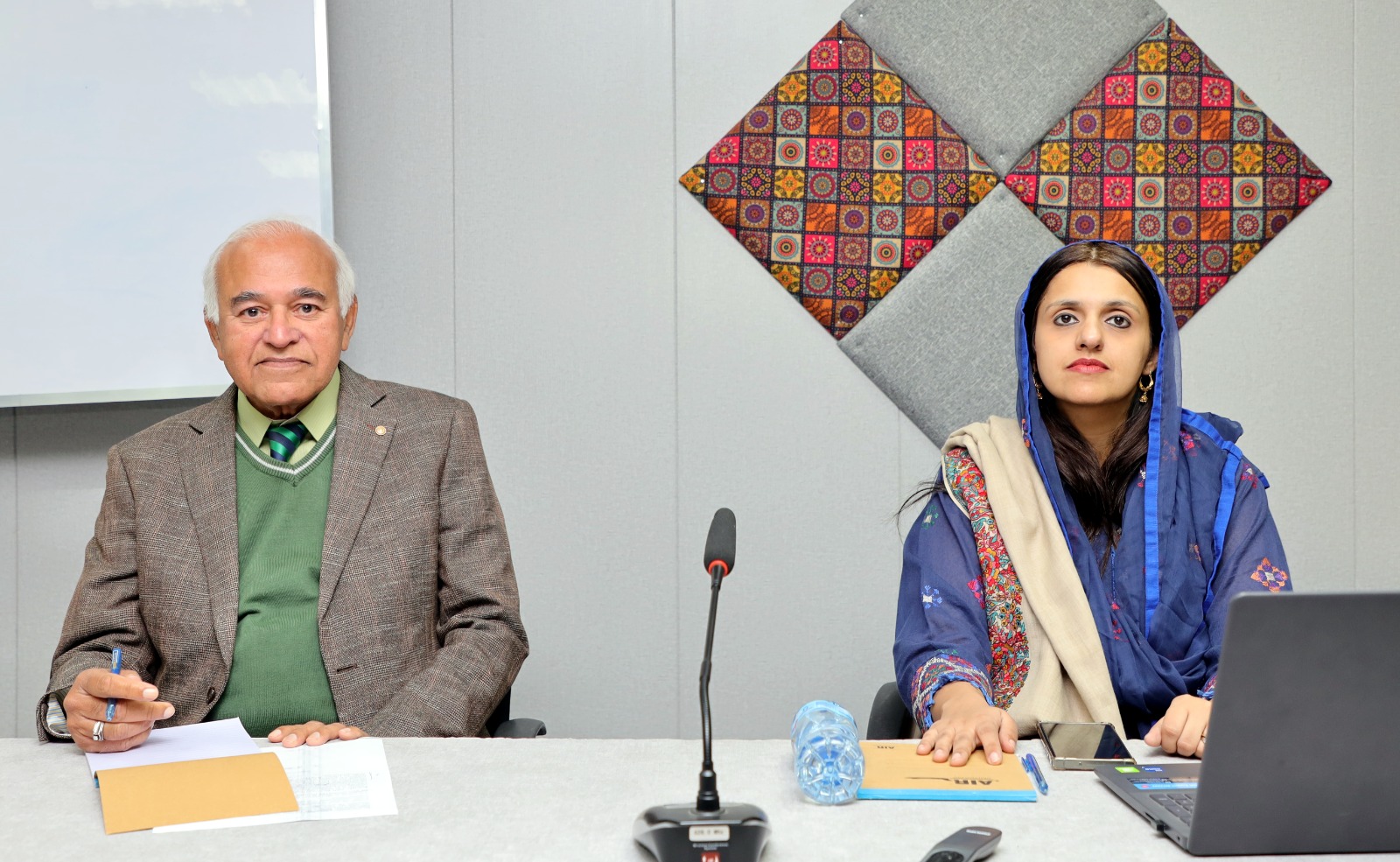
ISLAMABAD, Dec 3 (APP):The Pakistan Institute of Development Economics (PIDE), in collaboration with the RASTA Competitive Research Grants Programme, on Wednesday held a seminar titled “Clean Air, Green Future: Smog Mitigation, Resilience and Carbon Credit Feasibility.”
The event brought together researchers and policymakers to discuss Lahore’s escalating smog crisis, sectoral emissions and emerging behavioral solutions for sustainable mobility, a news release said.
In first presentation, Associate Professor at LCWU and RASTA Fellow Dr Aqsa Shabbir emphasized that smog mitigation in Punjab must shift from reactive closures to long-term prevention.
She noted that Lahore’s air pollution accelerated after rapid industrialization in the 1990s, with smog becoming an annual emergency by 2016.
Since then, she said, 12 policy documents have been produced, including the Punjab Clean Air Policy (2023), Climate-Resilient Punjab Action Plan (2024), and the Smog Control Strategy (2024–25).
Despite these frameworks, weak implementation, insufficient surveillance, and low institutional capacity remain the biggest constraints, Dr Aqsa added.
She reiterated that the transport sector contributes up to 83% of Lahore’s emissions, followed by industry and agriculture. While initiatives such as vehicle inspection centers, fuel-quality monitoring, and shifts to EVs appear promising on paper, gaps in coordination, especially between the transport and energy departments, hinder progress.
In agriculture, subsidized super seeders and rice straw shredders have delivered partial success, yet affordability barriers, language-inaccessible awareness campaigns, and inconsistent monitoring allow stubble burning to persist. Satellite data confirms ongoing hotspots in Jhang, Hafizabad, and Nankana Sahib, indicating that improvements seen in 2024 are real but fragile.
Delivering the second presentation, Assistant Professor of Geography at LCWU Dr Sahar Zia introduced an innovative Vehicle Emission Reduction Calculation Model, grounded in behavioral research and qualitative mobility data. This model shifts the focus from AQI readings to real commuter habits, analyzing distance traveled, frequency, transport mode, and mindset. Survey findings from 385 respondents show that 55% of Lahore’s commuters, mainly students traveling 10–20 km daily, are willing to cut emissions if provided meaningful incentives. Scaling these patterns city-wide suggests a potential 38% reduction in emissions if high-emission users shift to low-emission transport.
Dr Sahar emphasized that citizens respond most strongly to reduced fares, tax rebates, fuel discounts, and reliable public transport, whereas poor infrastructure, discomfort, and high vehicle costs remain major barriers. She highlighted international best practices such as encouraging school placements within 5–10 km of residences to reduce daily commute-related emissions.
Moderating the session, Dr Nasir Javed praised the interdisciplinary nature of the work and underscored additional challenges: political and bureaucratic mindsets, a lack of accessible communication for farmers and citizens, and limited public appreciation for environmental reforms.
He stressed that smog mitigation demands both strong enforcement and behavioral change, supported by coordinated, long-term planning.
The seminar concluded that meaningful progress in Lahore’s air quality would require evidence-based policy design, sector-specific incentives, inclusive communication strategies, and integrated urban mobility reforms, backed by persistent public and governmental commitment.