ISLAMABAD, Dec 18 (APP):The Pakistan Institute of Development Economics (PIDE) on Thursday hosted a high-level national leadership dialogue, spotlighting how Pakistan’s universities can evolve beyond knowledge hubs into powerful drivers of innovation, productivity, and global competitiveness. According to press release issued by PIDE, the moot, organized under the theme “From Knowledge to Impact: A National Leadership Dialogue,” brought together vice chancellors, senior policymakers, academics, and development leaders. The dialogue reflected …
PIDE spotlights higher education’s potential to fuel innovation, competitiveness
ISLAMABAD, Dec 18 (APP):The Pakistan Institute of Development Economics (PIDE) on Thursday hosted a high-level national leadership dialogue, spotlighting how Pakistan’s universities can evolve beyond knowledge hubs into powerful drivers of innovation, productivity, and global competitiveness.
According to press release issued by PIDE, the moot, organized under the theme “From Knowledge to Impact: A National Leadership Dialogue,” brought together vice chancellors, senior policymakers, academics, and development leaders.
The dialogue reflected a growing consensus that while Pakistan has significantly expanded its higher education and research base over the past decade, however, the country continues to struggle in translating knowledge into tangible economic, industrial, and policy outcomes.
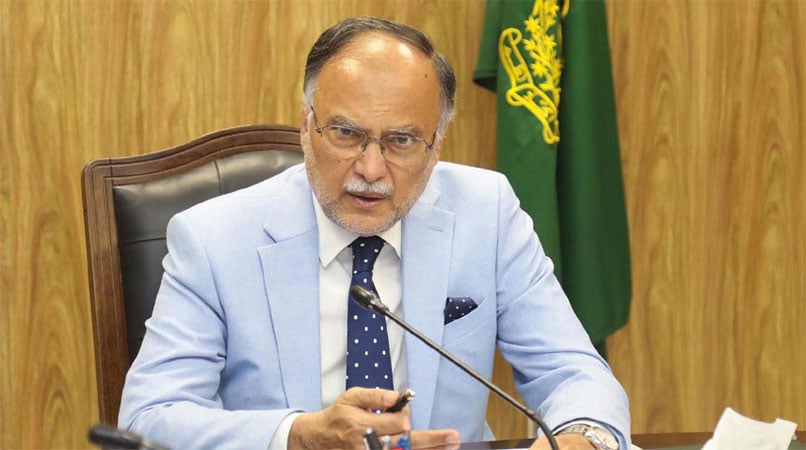
Speaking on the occasion, Federal Minister for Planning, Development and Special Initiatives, Professor Ahsan Iqbal, described the dialogue as a critical inflection point in Pakistan’s development journey.
Reflecting on reform efforts under Vision 2010 and Vision 2025, he highlighted major investments in higher education, including the expansion of universities, revival of HEC funding, establishment of national centers in emerging technologies, and large-scale PhD training programs.
However, he candidly acknowledged that these investments have yet to produce a robust innovation ecosystem.
An excessive focus on academic publications, he observed, has increased research output but delivered limited real-world impact—leaving pressing national challenges in agriculture, industry, exports, and technology largely unaddressed.
Dr. Nadeem Javaid, Vice Chancellor of PIDE, Pakistan’s core challenge lies in weak systems that fail to translate research and talent into innovation and policy impact, noting fragmented university–industry links and publication-driven incentives, and stressing that effective innovation ecosystems require deliberate design through aligned incentives, supportive regulation, risk-ready financing, and coordinated leadership.
Speaking on the occasion, Professor Kamal Munir, Senior Pro-Vice-Chancellor University of Cambridge said, innovation flourishes where universities, industry, and government operate through porous boundaries rather than rigid silos. He underscored the importance of world-class basic research, entrepreneurial culture, institutional support for knowledge transfer, dense local networks of talent and capital, and light-touch intellectual property regimes that encourage collaboration and spin-offs.
Infrastructure alone, he cautioned, does not create innovation—nor does government control guarantee creativity.
Speaking on the occasion, Professor Dr. Zia Ul Haq, Executive Director of the Higher Education Commission acknowledged the contributions of speakers and participants and reaffirmed HEC’s commitment to reforms that strengthen the link between higher education, innovation, and national development.