ISLAMABAD, Aug 04 (APP):Federal minister for petroleum Ali Pervaiz Malik chaired a high-level meeting with Bolormaa Amgaabazar, the World Bank's Country Director in Pakistan, and her team to review the roadmap for the transformation of Pakistan's gas sector. According to a news release, the roadmap has been developed by the Petroleum Division with technical support from the World Bank, drawing upon international best practices to guide the country's transition towards …
Petroleum division prepares gas sector deregulation road map with WB support
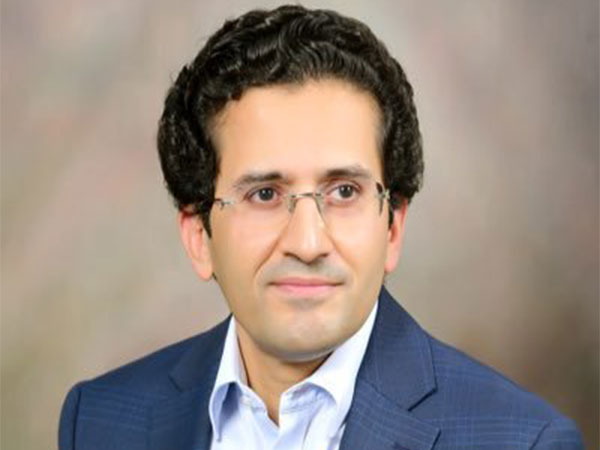
ISLAMABAD, Aug 04 (APP):Federal minister for petroleum Ali Pervaiz Malik chaired a high-level meeting with Bolormaa Amgaabazar, the World Bank’s Country Director in Pakistan, and her team to review the roadmap for the transformation of Pakistan’s gas sector.
According to a news release, the roadmap has been developed by the Petroleum Division with technical support from the World Bank, drawing upon international best practices to guide the country’s transition towards a more competitive, open and efficient gas market.
Welcoming Bolormaa Amgaabazar and the World Bank delegation to the Petroleum Division, the Minister appreciated the World Bank’s continued partnership and technical assistance in supporting the Government of Pakistan’s energy sector reform agenda, particularly its efforts towards deregulation across various fuel segments.
He also acknowledged the valuable contribution of the Sui companies in developing the reform framework.
The minister emphasised that deregulation must be complemented by a robust post-deregulation framework to ensure transparency, efficiency, and long-term sustainability.
He noted that the future regulatory framework should incentivise efficiency, foster competition, and protect consumers while enabling a commercially viable gas market.
He further stressed that the existing subsidy structure needs to be redesigned to ensure targeted support, redefine the protected customer category and reduce market distortions, eventually moving towards a single market clearing price.
The meeting reviewed and endorsed the strategic direction of Pakistan’s gas sector reforms.
The roadmap envisions the development of a competitive gas market supported by effective regulation and market monitoring, with the Oil and Gas Regulatory Authority (OGRA) playing a strengthened role in ensuring fair competition and market oversight.
The reform framework also proposes the restructuring and unbundling of the Sui companies by separating their transmission/distribution & energy businesses, while creating greater opportunities for private sector participation throughout the gas value chain.
The participants reviewed the expected outcomes of the reform programme, including enhanced energy security, a reduced cross-subsidy burden, fair and transparent pricing for industrial consumers, stronger private sector participation, a financially sustainable future for the Sui companies, and new investment and employment opportunities across the exploration and production, oil marketing, gas trading, and intermediary segments.
The meeting was informed that the reform package includes a comprehensive Gas Market Evolution Plan, an investment roadmap, a sector financial model, detailed legal and regulatory analyses, and a dedicated capacity-building programme for OGRA to strengthen its institutional capability as an independent regulator responsible for overseeing a competitive gas market.
The minister directed that the finalised roadmap be prepared for the Prime Minister by the end of August 2026 for approval.
Following the Prime Minister’s approval, the Petroleum Division will initiate phased implementation of the reform programme in consultation with all stakeholders to ensure a smooth and sustainable transition to a modern, competitive, and financially viable gas sector.
Representatives of Sui Northern Gas Pipelines Limited (SNGPL), Sui Southern Gas Company Limited (SSGCL), and the Oil and Gas Regulatory Authority (OGRA) also participated in the meeting.
The minister reaffirmed the government’s commitment to implementing these reforms to strengthen Pakistan’s energy security, improve governance, attract investment, and support long-term economic growth.