ISLAMABAD, Apr 8 (APP):Pakistan’s decisive diplomatic intervention has helped bring a halt to a dangerous 40-day conflict involving the United States, Iran, and Israel, preventing what could have escalated into a full-scale regional and global war, Sardar Masood Khan, former Ambassador of Pakistan to the United Nations said Wednesday. The outcome, increasingly being referred to as the “Islamabad Accords,” reflects Pakistan’s emergence as a credible peacemaker and a net stability …
Pakistan’s diplomacy averts wider war: Masood Khan
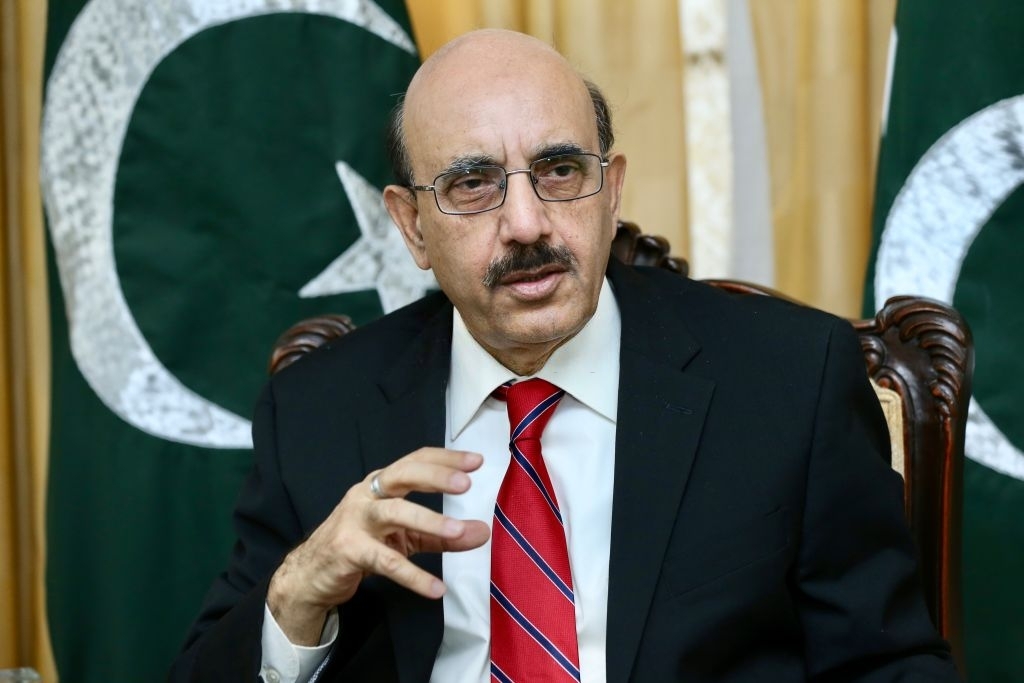
ISLAMABAD, Apr 8 (APP):Pakistan’s decisive diplomatic intervention has helped bring a halt to a dangerous 40-day conflict involving the United States, Iran, and Israel, preventing what could have escalated into a full-scale regional and global war, Sardar Masood Khan, former Ambassador of Pakistan to the United Nations said Wednesday.
The outcome, increasingly being referred to as the “Islamabad Accords,” reflects Pakistan’s emergence as a credible peacemaker and a net stability provider at a moment of unprecedented geopolitical volatility, he said.
Khan, who also served as Ambassador of Pakistan to the United States and China, has underscored that while the conflict rapidly intensified among major powers, Pakistan remained steadfastly engaged in shuttle diplomacy, maintaining contact with all key stakeholders, including Tehran, Washington, and Gulf capitals.
These sustained efforts, backed by support from major international actors including China, Russia, and European partners, created the conditions necessary for a ceasefire and a pathway to structured negotiations.
Ambassador Khan highlighted that wars of such magnitude often expand beyond their initial scope, citing historical precedents where limited conflicts spiralled into prolonged global crises.
In this instance, timely diplomatic intervention by Pakistan curtailed further escalation, preventing deeper involvement by additional global and regional powers and safeguarding the fragile stability of the Middle East.
He noted that the ceasefire, currently holding as a temporary truce, provides a critical window for addressing complex issues through dialogue.
Key areas of negotiation include Iran’s nuclear program, regional security dynamics, sanctions relief, and the future governance and navigation of the Strait of Hormuz. These discussions are expected to be intensive and sensitive, requiring guarantees and oversight from major powers and international institutions.
Ambassador Khan also emphasized that Pakistan’s efforts not only prevented military escalation but also mitigated severe economic repercussions globally. The conflict had already disrupted energy markets and trade flows, placing immense pressure on economies worldwide. The de-escalation has brought relief to global markets and populations alike.
He further observed that Pakistan’s diplomacy has garnered widespread international confidence, positioning the country as a central facilitator for upcoming direct negotiations between the United States and Iran. This evolving role reflects Pakistan’s longstanding commitment to peacebuilding and its ability to bridge divides among adversaries.
Concluding, Ambassador Khan stated that while the immediate crisis has been contained, sustained diplomatic engagement will be essential to transform the temporary ceasefire into a lasting peace. He expressed hope that continued dialogue will lead to durable solutions, ensuring long-term stability and prosperity for the region and beyond.