ISLAMABAD, Nov 13 (APP):World Health Organization (WHO) has urged families across Pakistan to adopt healthier lifestyles and prioritize regular medical screening as an estimated 34.5 million people, or one in three adults, are living with diabetes in the country. In a statement issued ahead of World Diabetes Day, observed annually on November 14, WHO called for stronger efforts to prevent, detect and manage diabetes through healthy diets, regular physical activity …
Pakistan’s diabetes burden reaches 34.5 million: WHO
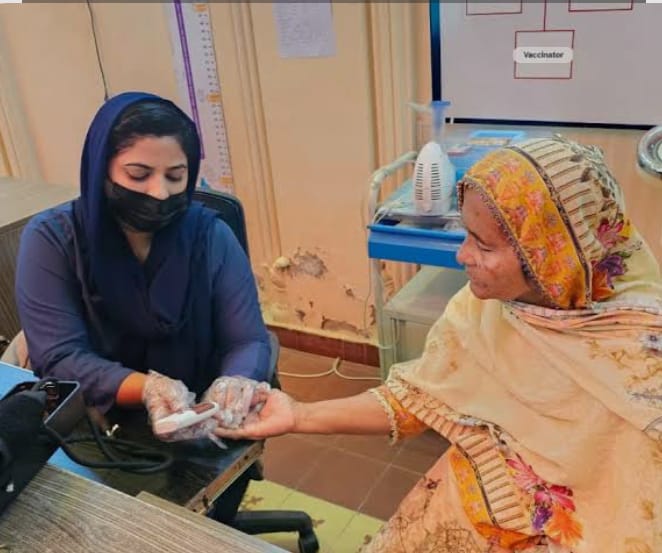
ISLAMABAD, Nov 13 (APP):World Health Organization (WHO) has urged families across Pakistan to adopt healthier lifestyles and prioritize regular medical screening as an estimated 34.5 million people, or one in three adults, are living with diabetes in the country.
In a statement issued ahead of World Diabetes Day, observed annually on November 14, WHO called for stronger efforts to prevent, detect and manage diabetes through healthy diets, regular physical activity and timely medical check-ups.
Under this year’s theme, “Early Action on Diabetes”, the organisation has highlighted the importance of prevention and early diagnosis to ensure timely treatment, improve quality of life and reduce the risk of serious health complications.
According to WHO, Pakistan has the highest diabetes burden globally in percentage terms and accounts for more than 40 percent of the estimated diabetes cases in the Eastern Mediterranean Region.
The organisation noted that four in 10 people living with diabetes in the region were unaware of their condition, increasing their risk of complications, including blindness, kidney failure, heart attacks, strokes and lower limb amputations.
WHO Representative in Pakistan Dr Luo Dapeng said diabetes posed a serious threat to public health and called on families to adopt healthy lifestyles to secure a healthier future for themselves and their children.
He said more than 95 percent of people with diabetes had type 2 diabetes, which could often be prevented through healthy dietary choices, regular exercise and avoiding tobacco.
He particularly emphasized limiting sugar and saturated fats, maintaining physical activity and avoiding unhealthy habits, adding that type 2 diabetes, previously considered predominantly an adult disease, was increasingly affecting children due to poor diets and lack of physical activity.
Dr Luo reaffirmed WHO’s commitment to working with the Government of Pakistan and its people to strengthen diabetes prevention, early detection and timely treatment.
Globally, the number of people living with diabetes increased from 200 million in 1990 to 830 million in 2022, with the prevalence rising more rapidly in low- and middle-income countries than in high-income nations.
WHO stressed that type 2 diabetes could be prevented, while complications associated with all forms of diabetes, including type 1 and gestational diabetes, could be minimized or delayed through healthy lifestyles, early diagnosis and appropriate medical care.
The organisation recommended at least 150 minutes of physical activity per week, a balanced diet, reduced consumption of sugar and saturated fats, avoiding tobacco and regular health check-ups to lower the risk of diabetes.
It also highlighted the importance of timely treatment, particularly for people diagnosed with diabetes, to prevent life-threatening complications.
Unlike type 2 diabetes, type 1 diabetes is characterized by insufficient insulin production and requires daily insulin administration for survival. Its causes and means of prevention are not yet known.
WHO reported that around 9.5 million people were living with type 1 diabetes globally in 2025, with more than 500,000 new cases diagnosed during the year, most of them in high-income countries.
The organisation called for collective action by families, communities and healthcare institutions to promote healthier lifestyles, strengthen screening and ensure access to timely diabetes care.