“If the present regime persists on the same path—while adding cross-border adventurism to its record—it risks an even more disastrous political fate,”
Pakistan will not be coerced byTaliban regime’s provocations: President’s spokesperson
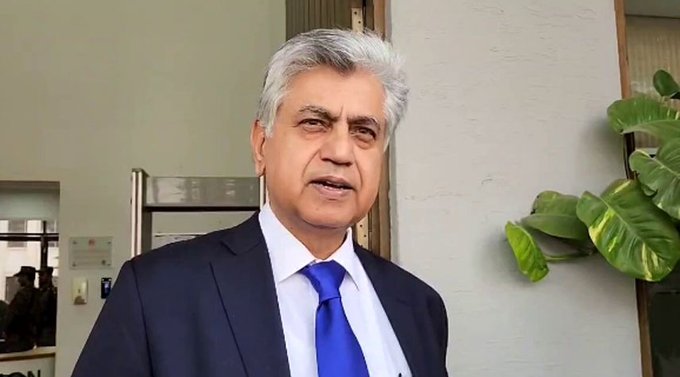
ISLAMABAD, Sep 24 (APP): Spokesperson of the President of Pakistan Murtaza Solangi on Thursday warned the Taliban regime in Kabul against reckless provocations against Pakistan, saying such actions would neither coerce nor deter the country.
In a post on X, the spokesperson said if the illegitimate Taliban regime in Kabul believed that a handful of flying toys sent across the international border could intimidate Pakistan, it was gravely mistaken.
“Pakistan will not be coerced, distracted or deterred, and Kabul should have no illusion that reckless provocations will pass without consequences,” he said.
Murtaza Solangi said no manufactured confrontation would divert Pakistan from its diplomatic efforts for regional and global peace.
“Nor will external adventurism conceal the Taliban regime’s record of broken commitments, domestic repression and failure to govern responsibly,” he added.
The spokesperson said the Taliban regime had confined half of Afghanistan’s population to their homes, denying women and girls education, employment and fundamental freedoms.
He said the regime continued to repress religious and ethnic minorities while attempting to manufacture pseudo-religious and pseudo-nationalist hysteria against Pakistan.
“This is a transparent attempt to divert attention from its failures at home and from the commitments it undertook in the Doha Agreement,” he said.
Murtaza Solangi said the Taliban regime should understand clearly that confrontation with Pakistan would not rescue it from its failures but would compound them.
“Every reckless misadventure further isolates the regime, exposes its irresponsibility and accelerates the consequences of its own policies,” he said.
The spokesperson said “Taliban 2.0” was increasingly demonstrating that it was not merely a danger to the Afghan people but also a growing source of instability for its neighbours and for international peace and security.
He recalled that the first Taliban regime had collapsed under the weight of its own extremism and isolation.
“If the present regime persists on the same path—while adding cross-border adventurism to its record—it risks an even more disastrous political fate,” he concluded.