Pakistan has launched its first Anticipatory Action Strategy, a national framework aimed at reducing the impact of climate-related disasters that have caused more than US$ 60 billion in losses over the years and affected 6.9 million people during the 2025 monsoon floods alone.
ISLAMABAD, Jun 29 (APP): Pakistan has launched its first Anticipatory Action Strategy, a national framework aimed at reducing the impact of climate-related disasters that have caused more than US$ 60 billion in losses over the years and affected 6.9 million people during the 2025 monsoon floods alone.

The initiative focuses on acting before disasters occur by using forecasts and early warnings to protect lives, livelihoods and public resources.
The United Nations World Food Programme (WFP) welcomed the announcement, describing it as a major step in strengthening Pakistan’s disaster risk management system. The strategy introduces a shift from emergency response after disasters to taking preventive measures before hazards strike.
The plan builds on a joint initiative led by WFP and the Food and Agriculture Organization (FAO) with financial support from the European Union (EU). Through the programme, national and provincial authorities strengthens early warning systems, tests response protocols and integrates anticipatory action into disaster management and development planning.
Chairman, National Disaster Management Authority (NDMA), Lieutenant General Inam Haider Malik, said early preparedness, timely dissemination of warnings and coordinated institutional action were necessary to reduce disaster risks and limit humanitarian and economic losses.
Pakistan has faced repeated climate-related emergencies in recent decades. According to available estimates, disasters caused more than US$ 18 billion in damages over the last 20 years. While including the major floods of 2010, 2011 and 2022, total losses exceed US$ 60 billion.
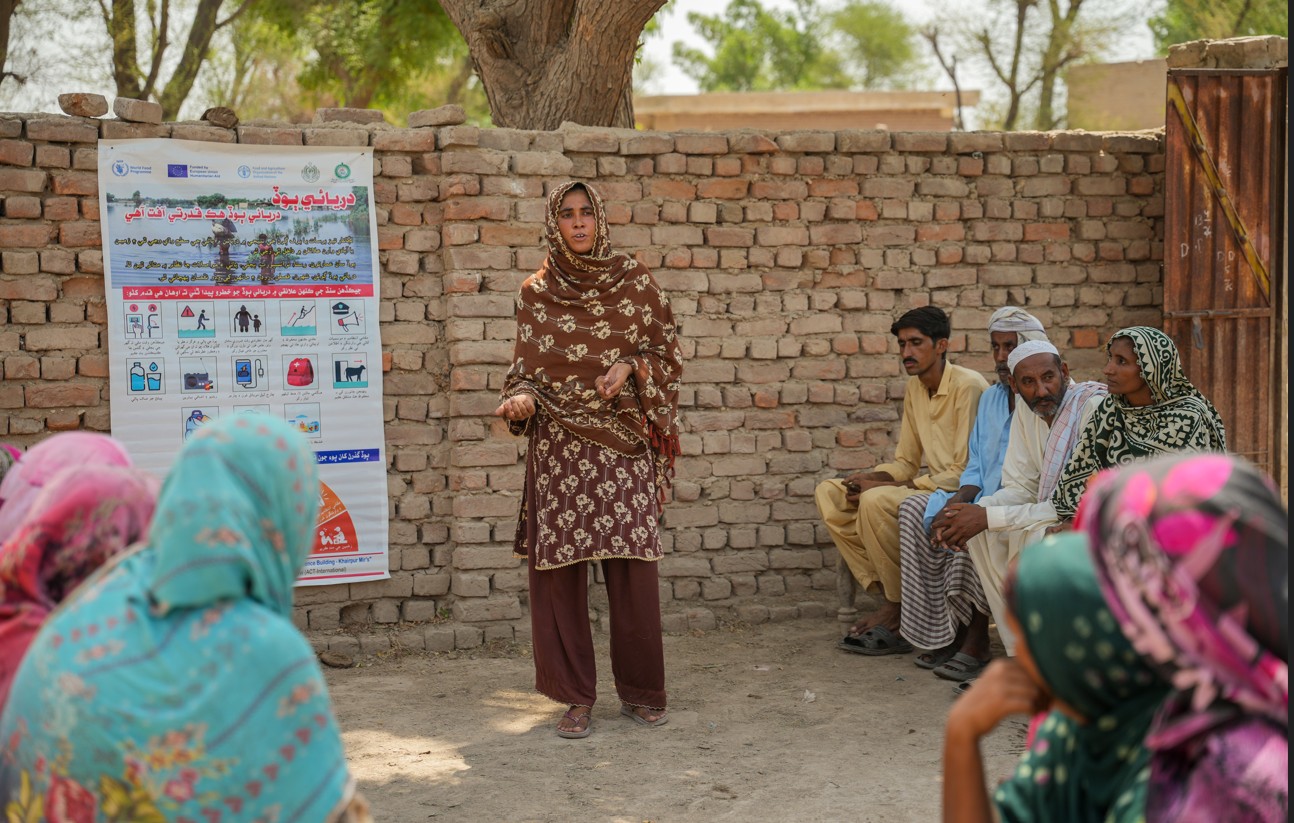
The importance of anticipatory action was demonstrated during the 2025 floods in Sindh’s Khairpur district. Three days before peak flooding, WFP and FAO, with EU support, provided cash assistance of US$ 179 (PKR 50,000) per household to vulnerable families. Around 15,000 people received support, allowing them to buy food, secure essential supplies, move to safer locations and protect livestock and other assets before flood waters hit.
EU Humanitarian Aid Office Head in Pakistan, Taheeni Thammannagoda, said Pakistan’s exposure to climate hazards required approaches that help communities prepare for future shocks and reduce disaster impacts through earlier action.
The initiative has also improved risk analysis, contingency planning and simulation exercises among national, provincial and district authorities, particularly in Sindh and Balochistan.
WFP Representative and Country Director in Pakistan, Anita Hirsch noted that evidence showed every dollar invested in anticipatory action could save up to seven dollars in avoided losses. She stressed the need for continued investment ahead of future monsoon seasons.
FAO Pakistan Officer in Charge, James Robert Okoth said acting before disasters helps protect people, crops and livestock while supporting long-term food security and community recovery.
Going forward, Pakistan planned to align provincial systems and establish financial mechanisms that could release resources before disasters occur, with support from partners including the EU and Germany’s development agency GIZ. The objective was to ensure that early warnings lead to timely action and reduced losses across vulnerable regions.