ISLAMABAD, Sep 4 (APP):Chairman of the Pakistan Ulema Council and Coordinator of the National Paigham-e-Aman Committee, Hafiz Muhammad Tahir Mehmood Ashrafi has strongly condemned the recent attack on Pakistan’s security personnel in Balochistan, saying the sacrifices of the country’s armed forces and security institutions would ultimately pave the way for lasting peace and stability. Ashrafi said Pakistan’s armed forces, police and security institutions were courageously performing their duties in Balochistan, …
Pakistan Ulema Council condemns Balochistan attack, says terrorists have no link to Islam or Balochistan
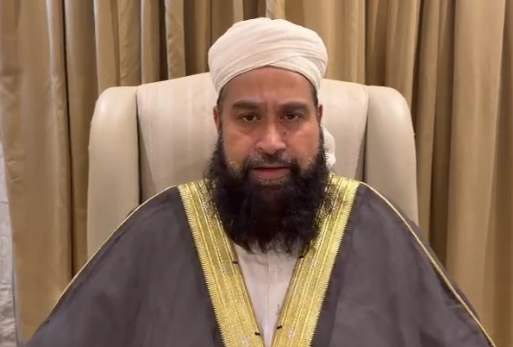
ISLAMABAD, Sep 4 (APP):Chairman of the Pakistan Ulema Council and Coordinator of the National Paigham-e-Aman Committee, Hafiz Muhammad Tahir Mehmood Ashrafi has strongly condemned the recent attack on Pakistan’s security personnel in Balochistan, saying the sacrifices of the country’s armed forces and security institutions would ultimately pave the way for lasting peace and stability.
Ashrafi said Pakistan’s armed forces, police and security institutions were courageously performing their duties in Balochistan, Khyber Pakhtunkhwa and other parts of the country to protect the nation, its people and its territorial integrity.
He said according to Islamic teachings, protecting the country’s borders and safeguarding the lives and security of people was a noble and sacred responsibility, and those undertaking this duty deserved the highest respect and recognition.
Condemning the killing of security personnel in Balochistan, Ashrafi said the attackers had not only targeted Pakistani security forces but had also allegedly desecrated and burned the bodies of the martyred personnel, describing the act as a grave violation of human dignity and Islamic values.
He emphasized that Islam strictly prohibits the desecration of human bodies, including in circumstances of armed conflict. He referred to the Quranic account of the burial of a deceased person, saying it demonstrated the importance Islam attaches to preserving the dignity of the dead.
Ashrafi said those involved in such brutal acts had no connection with Islam, humanity or the people of Balochistan, Khyber Pakhtunkhwa and described them as elements being used by forces seeking to undermine Pakistan’s stability.
He said the country had witnessed similar acts of violence in the past by the Fitna-al-Khawarij and Fitna-al-Hindustan, who had targeted mosques, civilians, the armed forces and security institutions without regard for human life.
The Pakistan Ulema Council chairman said Pakistan’s security institutions had rendered enormous sacrifices in the fight against terrorism and extremism and would continue to defend the country despite the challenges.
He said recent developments had demonstrated Pakistan’s growing stature and international standing, adding that hostile forces had intensified their efforts to destabilize the country following Pakistan’s success in Marka-e-Haq.
Ashrafi expressed confidence that these attempts would fail and that the blood of the martyrs would not be shed in vain.
He said the people of Pakistan remained united against terrorism and extremism and expressed confidence that peace and stability would prevail, enabling Balochistan and Khyber Pakhtunkhwa to progress and prosper.
He also warned that any forces seeking to exploit terrorism and instability against Pakistan, including supporters of the “Greater Israel” project and their Indian allies, would ultimately fail in their objectives.
Ashrafi stressed the need for national unity and continued cooperation between religious scholars, political leadership, security institutions and the people to defeat terrorism and prevent attempts to create divisions within society.
He prayed for the elevation of the ranks of the martyrs and for patience and strength for their bereaved families, saying the sacrifices of Pakistan’s security personnel would continue to inspire the nation in its struggle for peace, security and stability.