
ISLAMABAD, Feb 15 (APP):Pakistan is preparing to welcome a vibrant celebration of Central Asian culture as Kyrgyz Cultural Days are set to unfold in the capital during the last week of March 2026. Planned on the directives of Prime Minister Muhammad Shehbaz Sharif, the one-to-two-day festival will showcase the rich tapestry of Kyrgyz heritage through handicrafts, traditional cuisine, costumes, art and photography exhibitions, film screenings, and music and dance performances …
Pakistan to host Kyrgyz Cultural Days as part of expansive heritage diplomacy push
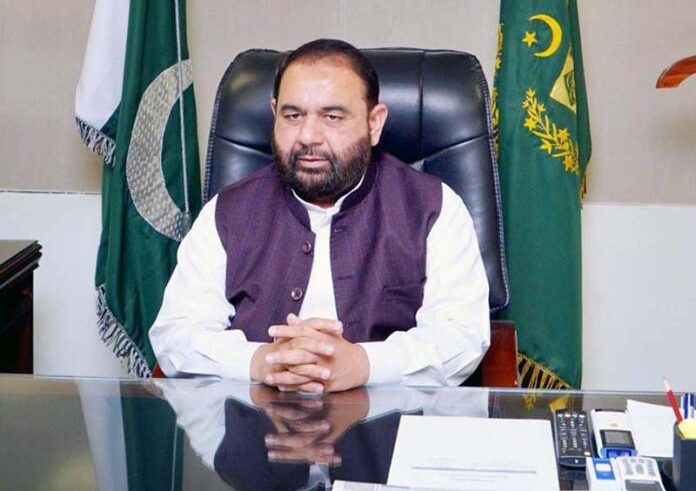
ISLAMABAD, Feb 15 (APP):Pakistan is preparing to welcome a vibrant celebration of Central Asian culture as Kyrgyz Cultural Days are set to unfold in the capital during the last week of March 2026.
Planned on the directives of Prime Minister Muhammad Shehbaz Sharif, the one-to-two-day festival will showcase the rich tapestry of Kyrgyz heritage through handicrafts, traditional cuisine, costumes, art and photography exhibitions, film screenings, and music and dance performances as Pakistan arranges full hospitality for the visiting delegation from Kyrgyzstan.
The cultural exchange marks just one element of an ambitious vision outlined by Federal Minister for National Heritage and Culture, Muhammad Aurangzeb Khan Khichi, in an exclusive interview with APP.
Speaking about Pakistan’s evolving cultural diplomacy, the minister detailed a comprehensive agenda that spans from international partnerships to heritage preservation and institutional reform, painting a picture of a nation ready to leverage its ancient civilizational legacy on the global stage.
Beyond the Kyrgyz celebrations, Pakistan is also preparing to host Nowruz festivities, extending invitations to several countries with whom it maintains diplomatic relations, including Kyrgyzstan.
These events reflect a broader strategy of cultural engagement that the minister sees as essential to projecting Pakistan’s peaceful image and fostering people-to-people connections across borders.
Highlighting a major milestone, the minister said the country will launch its National Culture Policy soon on the prime minister’s directives.
Crafted with input from all provinces to ensure true inclusivity, the policy aims to preserve Pakistan’s cultural identity while empowering the country’s artists and writers.
The minister describes it as a national mission designed to project Pakistan’s peaceful and ancient civilizational image to a world audience. As Khichi stated, with the launch of the National Culture Policy, Pakistan is opening a new chapter in cultural diplomacy, heritage preservation, and soft image promotion.
The scale of Pakistan’s cultural ambitions becomes clearer when examining the expanding network of international partnerships.
The ministry plans to expand the number of cultural agreements, from around 86 nations, upto 125 soon, creating an unprecedented web of artistic and educational exchange.
By year’s end, Pakistan’s first degree-awarding fine arts institution will open its doors, complementing art classes already launched at Lok Virsa. Meanwhile, digitization initiatives are modernizing the National Library, the Pakistan Academy of Letters, and the National Language Promotion Department, ensuring that Pakistan’s literary and linguistic treasures are preserved and made accessible to future generations.
He also outlined that documentary productions are also underway, designed to present Pakistan’s archaeological heritage to international audiences.
These films aim to showcase the breadth and depth of Pakistan’s cultural legacy, from ancient sites to the country’s diverse artistic traditions.
The federal minister said that Pakistan is clearly positioning culture and heritage as central pillars of its international engagement strategy.
These diplomatic initiatives build on recent cultural successes that demonstrate Pakistan’s commitment to strengthening international bonds through shared heritage.
He also highlighted that Pak-Turk Friendship Week, celebrated in Islamabad by the Prime Minister’s Youth Programme in collaboration with the Yunus Emre Institute and the Pakistan National Council of the Arts, brought together cultural performances, traditional music, and folk art to highlight the enduring friendship, shared heritage, and strong bilateral ties between Pakistan and Turkey.
The week-long festivities served as a testament to how cultural exchange can deepen diplomatic relationships and create lasting people-to-people connections that transcend political boundaries.
Perhaps the most significant achievement in Pakistan’s recent cultural heritage efforts came in December 2025, when UNESCO officially inscribed the Boreendo on the List of Intangible Cultural Heritage in Need of Urgent Safeguarding.
Due to the dedicated efforts of the National Heritage and Culture Division, this recognition marked a proud milestone for Pakistan’s ancient musical traditions. Nominated by the Sindh Government and supported by Lok Virsa, the Boreendo is a small, round clay wind instrument believed to be over 5,000 years old and rooted in the Indus Valley Civilization, whose soft, earthy sound has echoed through winter gatherings and village traditions for centuries.