ISLAMABAD, Jun 06 (APP):Interior Minister, Mohsin Naqvi, held a series of high-level bilateral meetings with the interior ministers of Russia, Tajikistan, Uzbekistan, Kyrgyzstan, and Kazakhstan on the sidelines of the Shanghai Cooperation Organization (SCO) Interior Ministers’ meeting in Bishkek, underscoring Pakistan’s commitment to enhanced regional security cooperation, counterterrorism efforts, and migration management. The diplomatic engagements highlighted a growing consensus among SCO member states on addressing shared security challenges, including terrorism, …
Pakistan Strengthens Regional Security Cooperation at SCO Summit in Bishkek
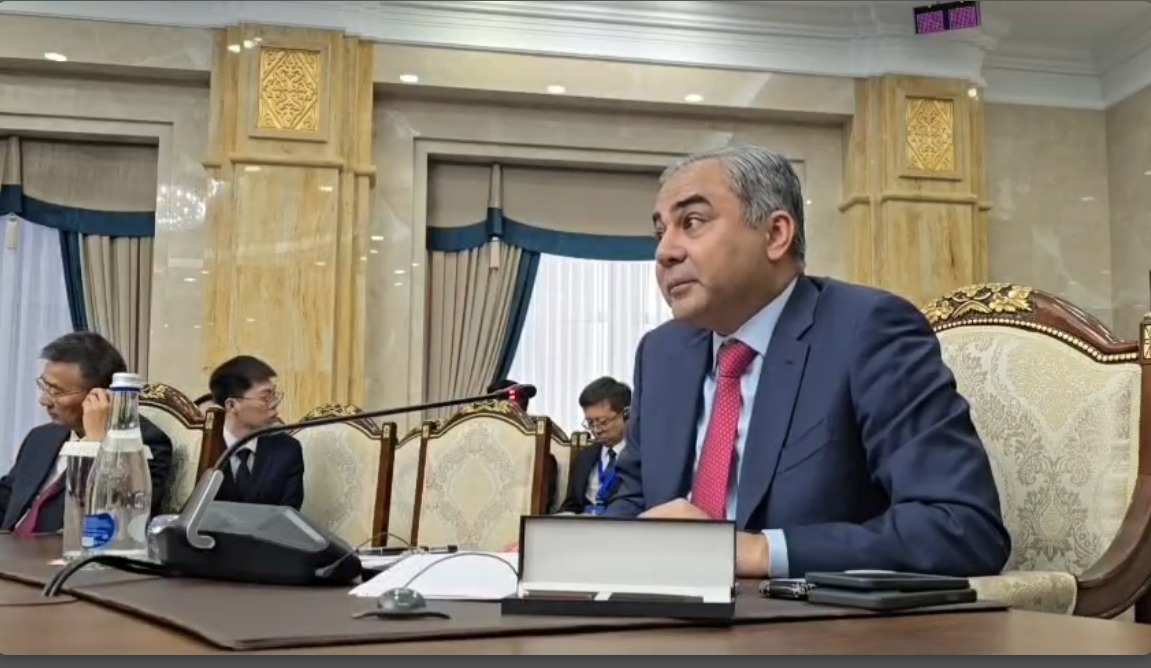
ISLAMABAD, Jun 06 (APP):Interior Minister, Mohsin Naqvi, held a series of high-level bilateral meetings with the interior ministers of Russia, Tajikistan, Uzbekistan, Kyrgyzstan, and Kazakhstan on the sidelines of the Shanghai Cooperation Organization (SCO) Interior Ministers’ meeting in Bishkek, underscoring Pakistan’s commitment to enhanced regional security cooperation, counterterrorism efforts, and migration management.
The diplomatic engagements highlighted a growing consensus among SCO member states on addressing shared security challenges, including terrorism, narcotics trafficking, and illegal migration.
One of the most significant developments emerged from Minister Naqvi’s meeting with Russia’s Interior Minister, Vladimir Kolokoltsev.
The two sides signed several important agreements aimed at strengthening cooperation between the two countries.
The agreements focus on enhancing collaboration to combat illegal immigration, improving mechanisms for the repatriation of citizens residing unlawfully in either country, and expanding joint efforts to curb narcotics trafficking and the spread of illicit drugs.
Officials described the agreements as a major step toward building stronger law-enforcement cooperation between Islamabad and Moscow.
During talks with Tajikistan’s Interior Minister, Ramazon Rahimzoda, discussions centered on regional security and the evolving situation in Afghanistan.
Both ministers expressed concern over the presence of terrorist camps and the production of narcotics inside Afghanistan, describing them as serious threats to regional stability. The two sides agreed that coordinated regional action is essential to counter these challenges.
According to the discussions, an estimated 25 different terrorist organizations are currently active in Afghanistan, posing risks not only to neighboring countries but to the wider region.
In a separate meeting, Minister Naqvi met with Uzbekistan’s Interior Minister, Major General Aziz Tashpulatov. The talks focused on strengthening cooperation between law-enforcement agencies, expanding joint training programs, and enhancing institutional collaboration. Both sides agreed to establish a dedicated working group between their interior ministries to facilitate ongoing cooperation and implementation of shared initiatives.
Minister Naqvi also met Kyrgyzstan’s Interior Minister, Niyazbek Olan Omokanovich, where the two leaders agreed to deepen cooperation in areas of mutual interest. During the meeting, the Pakistani minister congratulated Kyrgyzstan on its election as a non-permanent member of the United Nations Security Council and praised the host country for the successful arrangements made for the SCO Interior Ministers’ gathering. He also thanked the Kyrgyz government for its hospitality and organizational efforts in hosting the regional forum.
In his meeting with Kazakhstan’s Interior Minister, Yerzhan Sadenov, Minister Naqvi discussed measures to strengthen cooperation against illegal immigration and improve coordination between the two countries’ law-enforcement agencies. The two ministers agreed to establish a working group between their respective interior ministries to promote sustained collaboration and address emerging security challenges.
The series of bilateral meetings reflected a broader regional effort to strengthen security partnerships across Central and South Asia.
With concerns over terrorism, narcotics trafficking, and irregular migration continuing to shape the regional security landscape, SCO member states are increasingly looking toward coordinated action and institutional cooperation to safeguard stability and enhance cross-border law enforcement.
The engagements in Bishkek reinforced Pakistan’s role in advancing regional dialogue and practical cooperation on issues of shared security and mutual concern.