FAISALABAD, Apr 04 (APP):Adviser to Prime Minister (PM) on Political and Public Affairs Senator Rana Sanaullah Khan has said that Pakistan has remained largely insulated from the worst impacts of the ongoing global energy crisis due to effective government strategy while emergency relief measures were being extended to protect the public from inflationary pressures. Addressing a press conference at his residence, he said that uninterrupted supply of petroleum products across …
Pakistan remains resilient amid global energy crisis: Rana Sanaulla
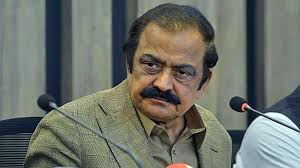
FAISALABAD, Apr 04 (APP):Adviser to Prime Minister (PM) on Political and Public Affairs Senator Rana Sanaullah Khan has said that Pakistan has remained largely insulated from the worst impacts of the ongoing global energy crisis due to effective government strategy while emergency relief measures were being extended to protect the public from inflationary pressures.
Addressing a press conference at his residence, he said that uninterrupted supply of petroleum products across the country was ensured despite severe global disruptions caused by escalating regional conflict and closure of key international supply routes.
He said that the entire world was currently facing an unprecedented energy crisis while the petrol and gas prices have reached historic highs. The situation worsened after the closure of the Strait of Hormuz, which severely affected global supply chains and lead to acute shortages in several countries.
“In some countries, fuel is not available at all, while in neighboring states the situation deteriorated to the extent that army had to be deployed at petrol pumps. However, Pakistan has avoided such a crisis”, he added.
Rana Sanaullah credited Prime Minister Shehbaz Sharif and Field Marshal Syed Asim Munir for timely decisions and effective management, which ensured stability in fuel supply across the country.
He said that the government significantly curtailed its expenditures including reduction in cabinet members’ salaries and grounding of 60 percent of official vehicles.
He said that approximately Rs129 billion was allocated to provide a blanket subsidy on petroleum products for three weeks to shield the public from the initial surge in prices.
He said that the government initially expected the conflict to subside within a few weeks, but as the situation prolonged, the policy was revised and targeted subsidies were introduced to provide relief to vulnerable segments of the society.
He said that under the targeted measures, the motorcyclists were being provided Rs2,000 per month while small farmers were receiving Rs1,500 per acre as diesel support during the harvesting season.
He said that transport sector was also being facilitated to prevent a steep increase in fares. Passenger buses were being given up to Rs100,000 per month while other transporters were receiving Rs70,000 to Rs80,000 in subsidies. Similarly, public transport had been made free in Punjab and Islamabad to further ease burden on the commuters, he added.
Rana Sanaullah said that the government was operating under an agreement with the International Monetary Fund (IMF). Therefore major financial decisions required consultation with the global lender. However, whenever fiscal space was available, immediate relief was passed on to the public, he said, citing the recent reduction of Rs80 per liter in petrol prices as a key example.
The efforts were continuing to transfer the benefit of any reduction in international oil prices to the consumers, he added.
Referring to provincial initiatives, he said that Punjab Chief Minister (CM) Maryam Nawaz was actively pursuing various measures to support the common man. He also hinted at the possibility of a future scheme that could reduce or even eliminate fuel dependence for motorcyclists.
He urged all political parties, business associations, chambers of commerce and civil society organizations to stand with the government and the state during this challenging time and present constructive proposals.
He also invited Jamaat-e-Islami chief Hafiz Naeem-ur-Rehman to convene an all parties conference, bringing together both government and opposition stakeholders to deliberate on national solutions to the crisis.
He made it clear that the current crisis was not created by Pakistan but it was a consequence of global conflict. There was no justification for protests against the government under such circumstances, he said.
“If there is a need to protest, it should be directed against those responsible for initiating the war particularly Israel and its Prime Minister Netanyahu”, he added.
Rana Sanaullah said that worldwide protests were already taking place against the war, with millions of people pressuring their governments for peace, while Pakistan had emerged as a country being looked upon by the international community for a resolution of the crisis.
He said that global confidence in Pakistan’s political and military leadership was increasing as various countries including Iran, Saudi Arabia and the United Arab Emirates are acknowledging Pakistan’s diplomatic efforts.
He said that Pakistan was in a position to play a key role in resolving the crisis and expressed confidence that the country would emerge successful.
Criticizing certain elements, he said that some groups were attempting to create chaos for political gains, but the nation would reject such agendas. He warned that those acting against the state would face legal consequences.
He also cautioned profiteers and hoarders, saying that strict action would be taken against them. Fluctuations in prices could lead to further shocks for such elements, he added.
Reaffirming the government’s commitment, he said that all possible measures would be taken to provide relief to the common man and steer the country out of the global crisis. However, the nation should demonstrate unity, patience and responsibility in this regard, he adde