Pakistan reaffirms support to China, clarifies Afghan talks, decries India’s delay of Sri Lanka aid flight
Pakistan reaffirms support to China, clarifies Afghan talks, decries India’s delay of Sri Lanka aid flight
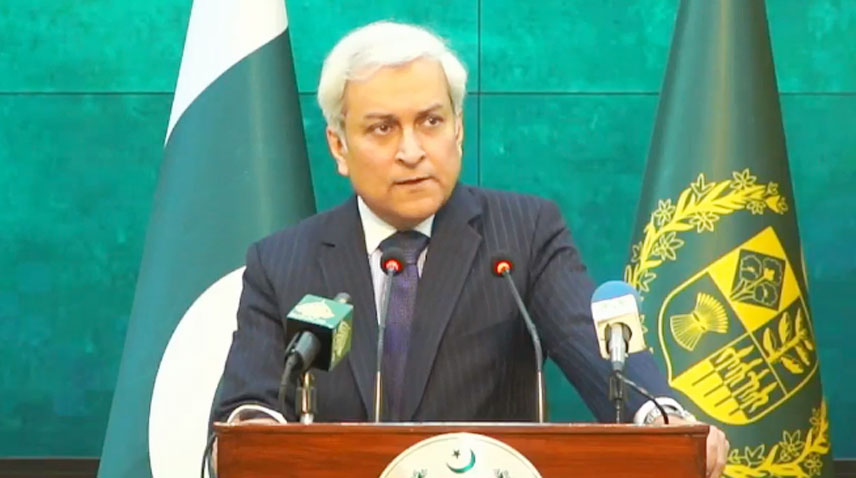
ISLAMABAD, Dec 5 (APP): Pakistan on Friday reiterated its firm support to China on issues of sovereignty, dismissed speculation regarding talks with the Afghan Taliban regime in Saudi Arabia, and criticized India for delaying flight clearance for Islamabad’s humanitarian assistance to Sri Lanka, calling the move impractical and contrary to the urgency of disaster relief.
During the weekly media briefing, Foreign Office Spokesperson, Ambassador, Tahir Hussain Andrabi addressed a series of regional and bilateral issues, drawing on multiple questions raised by reporters.
Responding to queries on Chinese statements regarding Zangnan, known in India as Arunachal Pradesh, the spokesperson said Pakistan fully supported China on matters related to its sovereignty and territorial integrity.
On reports circulating in Afghan and Pakistani media about talks between Islamabad and the Afghan Taliban regime in Saudi Arabia, the spokesperson said there was no information to confirm such engagements and stressed that Pakistan would share details once any credible information became available.
Ambassador Andrabi issued a detailed response on the 33rd anniversary of the demolition of the Babri Masjid, calling it an event that continues to evoke deep sadness and concern. He said the incident symbolized the marginalization of Indian Muslims and urged the international community to ensure protection of Muslim religious heritage. He further called on India to uphold tolerance, inclusivity and equal citizenship for all religious communities.
On humanitarian aid to Afghanistan, the spokesperson said Pakistan approved the release of UN humanitarian cargo following requests from UN agencies including WFP, UNICEF and UNFPA. He explained that aid would move into Afghanistan in three phases, beginning with food items, followed by pharmaceuticals and medical equipment, and finally consignments related to education and health. However, he clarified that the decision did not imply the reopening of border crossings for regular trade, which remain closed until the Afghan Taliban regime ensures Pakistan’s security concerns regarding terrorism.
Addressing a question on a reported UN finding that increasing contact between the Afghan Taliban and India is harmful for regional stability, the Spokesperson said such links had existed historically but were concerning only when directed against Pakistan. He said Islamabad had no objection to normal interstate cooperation between any two countries, as long as it did not follow a zero-sum approach.
In response to allegations circulated by Amnesty International regarding Pakistan’s supposed use of an Israeli spy ware system, the spokesperson termed the claims “rumor-mongering disinformation” and firmly rejected any suggestion of cooperation between Pakistan and Israel, including in the technology domain.
On the reported release of 38 Pakistanis from Myanmar, the spokesperson confirmed that both Pakistan missions in Myanmar and Thailand were coordinating efforts for their safe return and were engaged with authorities of both countries to prevent similar incidents in the future.
Replying to repeated questions on potential mediation efforts by Saudi Arabia, Türkiye and Qatar between Pakistan and the Afghan Taliban regime, the Spokesperson said no such talks had taken place in Saudi Arabia. He added that Pakistan welcomed President Erdogan’s earlier announcement regarding Turkish mediation and remained prepared to receive a Turkish delegation whenever scheduled, but it had not arrived due to reasons likely associated with the Afghan side.
The spokesperson also dismissed the Afghan Taliban spokesperson’s remarks about border guarantees as a misunderstanding of Pakistan’s limited opening of the border solely for UN humanitarian aid. He emphasized that the border closure was a lawful act of self-defense following repeated cross-border attacks and would remain in place until the Afghan side assured Pakistan that no terrorist elements would operate from its territory.
When asked about statements by Afghanistan’s Acting Foreign Minister Amir Khan Muttaqi claiming that Pakistan had no right to influence Kabul’s relations with other countries, the Spokesperson said Pakistan had never objected to Afghanistan’s bilateral relations with any state.
He also referred questions about individuals reportedly sought by Pakistan and present in the United Kingdom to the Ministry of Interior, noting that recent meetings between Pakistani and UK officials fell under the Interior Ministry’s purview.
Responding to queries about India’s claim that Pakistan’s criticism over delayed flight clearance for Sri Lanka relief was “anti-India,” the spokesperson said Islamabad had documentary proof showing that India granted an impractical six-hour flight window almost two days after Pakistan lodged its request. He said humanitarian aid, if delayed excessively, effectively becomes denied.
On concerns raised regarding reports of UK universities halting admissions for Pakistani students, the spokesperson said there was no official confirmation and that Pakistan’s High Commission in London was engaged with the institutions for clarification.
He also addressed reports of maps displayed in Afghanistan depicting a “Greater Pashtunistan,” calling the act a meaningless “theatrical gesture” and reminding that Pakistan and Afghanistan share a settled, internationally recognized border.
The spokesperson further clarified that Pakistan had already issued a statement regarding the arrest of an Afghan-born individual in the US and said Islamabad continued discussions with Washington on visa access for students and businesspersons.
On President Putin’s visit to India, and speculation about a major defense deal, the spokesperson said both countries were sovereign states free to pursue bilateral ties, and Pakistan had no specific position until the visit concluded.
The briefing concluded with the spokesperson reaffirming Pakistan’s positions on regional peace, humanitarian assistance, counterterrorism concerns and the need for responsible behavior by neighboring states.