Pakistan plays pivotal role in brokering fragile US–Iran ceasefire: Experts
Pakistan plays pivotal role in brokering fragile US–Iran ceasefire: Experts
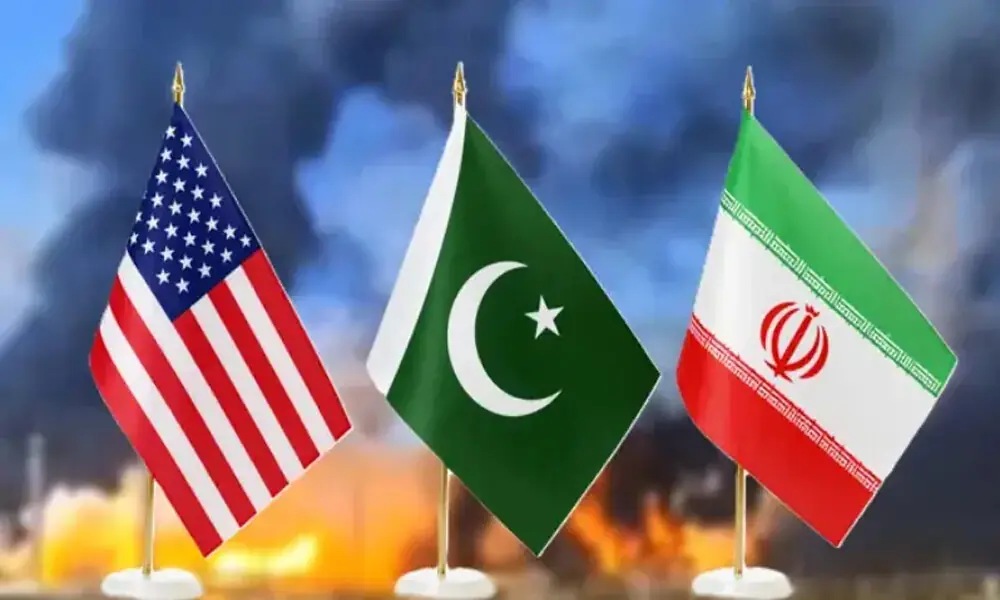
PESHAWAR, Apr 09 (APP): Pakistan has emerged as a global diplomatic leader following its pivotal role in brokering a crucial ceasefire between the United States and Iran—a development that has drawn global attention and renewed optimism.
Acting as a bridge between two long-standing adversaries with no direct diplomatic ties, Pakistan facilitated last-minute negotiations that led to a two-week truce and the reopening of the strategically vital Strait of Hormuz.
The intervention helped avert a potentially devastating escalation in the Middle East, with world leaders welcoming the agreement and acknowledging Pakistan’s momentous de-escalation efforts.
The ceasefire underscores Pakistan’s growing influence as a global peacemaker, highlighting its ability to engage constructively with major powers during times of crisis.
By hosting upcoming talks and promoting dialogue over confrontation, Islamabad has positioned itself as a neutral and credible mediator in international diplomacy.
The important breakthrough comes at a time of heightened tensions in the Middle East, when fears of a broader regional conflict had been steadily mounting, making an immediate ceasefire imperative.
Manzoorul Haq, former Ambassador welcomed the development, stating that the ceasefire was largely made possible through Pakistan’s sustained diplomatic efforts.
“Pakistan actively engaged in backchannel communications with both Washington and Tehran, leveraging its longstanding relationships to help de-escalate the situation,” he said.
He said that Prime Minister Muhammad Shehbaz Sharif invited delegations from both countries to Islamabad for further negotiations aimed at achieving a final and comprehensive resolution of the disputes. He added that the Prime Minister’s invitation has received significant international attention and praise.
Dr. Ejaz Khan, former Chairman at International Relations Department at University of Peshawar said that Pakistan diplomatic efforts in defusing US-Iran crisis was praiseworthy. He said Pakistan consistently urged restraint and emphasized dialogue over confrontation as essential for lasting peace in the Middle East. These efforts, he added, helped create an environment conducive to negotiations, ultimately paving the way for the ceasefire.
He commended the efforts of Prime Minister Shehbaz Sharif, Deputy Prime Minister/Foreign Minister Muhammad Ishaq Dar, and Chief of Army Staff Syed Asim Munir for facilitating the two-week ceasefire.
He said the international community and global media have widely appreciated Pakistan’s constructive role. The ceasefire, he added, would help ensure the smooth flow of oil trade through the Strait of Hormuz and support progress toward a final agreement between the two countries.
He observed that tensions in the Middle East had escalated rapidly following a series of incidents that raised concerns about direct military confrontation between the United States and Iran.
Dr Zilakat Malik, former Chairman Economics Department at University of Peshawar highly lauded Pakistan diplomatic role in brokering ceasefire between US-Iran. He said global markets reacted nervously, while regional allies braced for potential fallout. In this tense environment, Pakistan’s intervention proved both timely and strategic. The ceasefire agreement has made positive impact on global oil trade and reduce petroleum products, he expressed.
Highlighting Pakistan’s foreign policy priorities, the experts said the country has consistently emphasized peace, regional stability, and diplomatic engagement. By acting as a neutral intermediary, Pakistan maintained open lines of communication with both sides.
Analysts argued that Pakistan’s credibility with Iran, coupled with its working relationship with the United States, uniquely positioned it to play a mediating role. International observers also praised the effort, emphasizing that middle powers like Pakistan can play a crucial role in conflict resolution.
The development has reinforced Islamabad’s image as a responsible stakeholder in global peace initiatives. Within Pakistan, political leaders across party lines welcomed the diplomatic success, describing the ceasefire as a testament to the country’s commitment to peaceful conflict resolution and its growing global influence.
Experts believed the episode could enhance Pakistan’s diplomatic standing on the world stage. Meanwhile, the ceasefire is being viewed as a significant step toward economic stability.
Both the United States and Iran have signaled a willingness to avoid further escalation, at least for the duration of the truce, though underlying tensions remain unresolved.
Experts warned that maintaining the ceasefire will depend on continued dialogue and confidence-building measures.
Professor Dr. Zahid Anwar of the University of Peshawar said Pakistan’s role as a mediator has been globally recognized, adding that the country remains ready to assist in future peace efforts if requested.
He emphasized that diplomacy must remain the primary tool for resolving conflicts, particularly in regions where the consequences of war could be severe.
As the international community watches closely, Pakistan’s role in facilitating this ceasefire underscores the importance of dialogue, trust-building, and timely intervention.
While challenges persist, the successful de-escalation offers a hopeful example of diplomacy prevailing amid intense geopolitical strain.
Experts expressed hope that an inclusive and lasting peace agreement will be reached during the ceasefire period—an outcome seen as essential for long-term peace and development in the region.