
ISLAMABAD, Dec 17 (APP):Federal Minister for Climate Change and Environmental Coordination Dr Musadik Malik Wednesday stressed the need for a comprehensive and diversified strategy to reduce carbon emissions from Pakistan’s transport sector, stating that decarbonisation could not be achieved through electric vehicles alone. Speaking at a webinar on “Reducing Carbon Emissions in Pakistan’s Transport Sector: Cooperation under Article 6”, organised by SPAR6C, the minister said transport remained one of the …
Pakistan needs comprehensive strategy to decarbonise transport sector: Musadik Malik
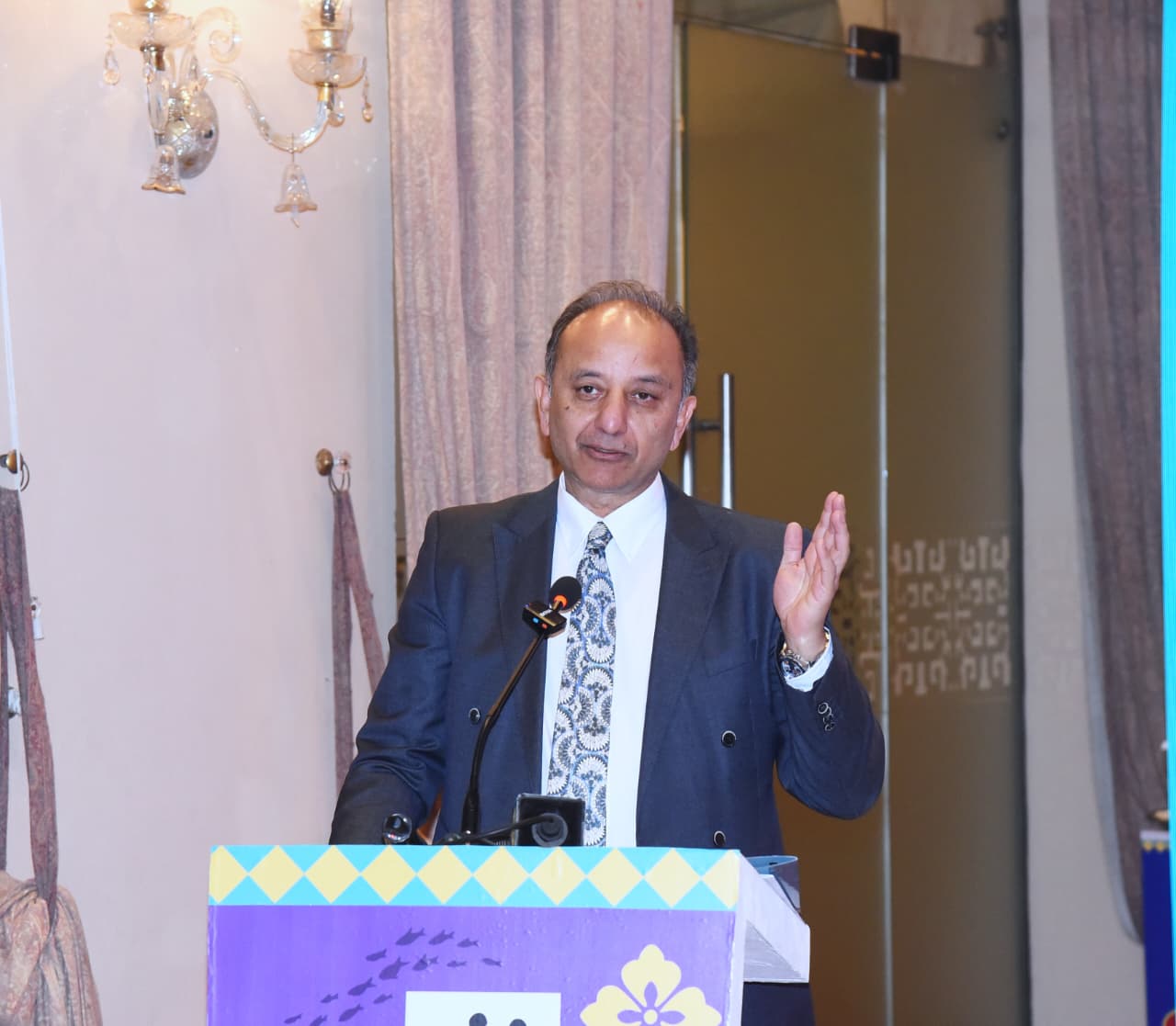
ISLAMABAD, Dec 17 (APP):Federal Minister for Climate Change and Environmental Coordination Dr Musadik Malik Wednesday stressed the need for a comprehensive and diversified strategy to reduce carbon emissions from Pakistan’s transport sector, stating that decarbonisation could not be achieved through electric vehicles alone.
Speaking at a webinar on “Reducing Carbon Emissions in Pakistan’s Transport Sector: Cooperation under Article 6”, organised by SPAR6C, the minister said transport remained one of the largest contributors to greenhouse gas emissions in the country and required urgent, long-term planning aligned with global climate commitments.
Dr Malik said that while electric vehicles were an important part of the transition, they were not a complete solution, particularly for heavy and long-distance transport.
He highlighted green hydrogen as a viable and unavoidable option for the future of freight and heavy transport, calling it a “critical pillar” of low-carbon mobility.
The minister also underscored the importance of exploring the production, utilisation and integration of green hydrogen into Pakistan’s transport and energy systems, noting that early investment and policy clarity could help the country benefit from emerging global carbon markets under Article 6 of the Paris Agreement.
Emphasising implementation challenges, Dr Malik said that policy frameworks alone were insufficient without effective training, institutional capacity-building and technical expertise.
“No policy can succeed unless institutions are equipped to implement it,” he said, adding that human resource development must accompany regulatory and technological reforms.
The webinar focused on international cooperation mechanisms under Article 6, which allow countries to collaborate on emission reduction initiatives through carbon trading and shared mitigation efforts.
Participants from government, development partners and the private sector discussed pathways for reducing emissions in the transport sector while supporting sustainable growth and climate resilience.