
ISLAMABAD, Feb 11 (APP): Pakistan’s major water woes emanate from the Indus Water Treaty brokered between India and Pakistan in 1960, so the country should take up unilateral suspension of the treaty at regional and international forums to spotlight and resolve transboundary water conflicts. This was stated by Naseer Memon, the renowned water expert and Senior Advisor of Sustainable Development Policy Institute (SDPI), here at a Special Talk on the …
Pakistan must take up transboundary water conflicts at world forums: expert
ISLAMABAD, Feb 11 (APP): Pakistan’s major water woes emanate from the Indus Water Treaty brokered between India and Pakistan in 1960, so the country should take up unilateral suspension of the treaty at regional and international forums to spotlight and resolve transboundary water conflicts.
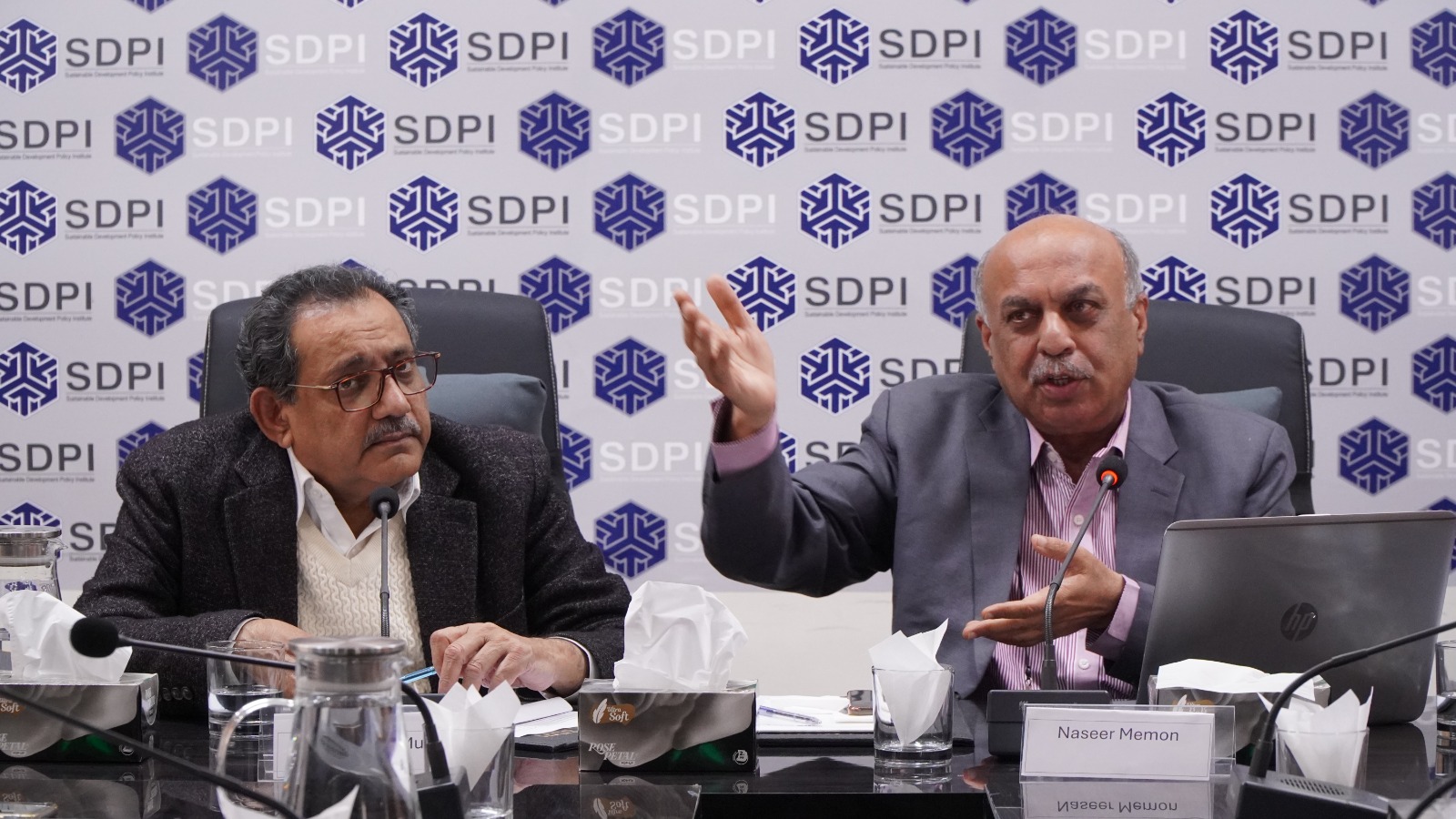
This was stated by Naseer Memon, the renowned water expert and Senior Advisor of Sustainable Development Policy Institute (SDPI), here at a Special Talk on the ‘Water Resources Management in Pakistan’, said a press release issued on Wednesday.
Memon emphasized that the regional leadership should garner consensus and support for the regionally coordinated solutions on climate change impacts and shared water challenges faced by the entire region.
The SDPI Advisor argued that the water availability in the country’s river system had depleted over the decades due to unbridled water usage and population growth sans efficient regulatory frameworks that are required to curate the precious water resource.
“Pakistan’s water productivity is much less than global and regional averages. Our crop yield is far less than its real potential. Pakistan should focus on increasing output of the available land and water and move from engineering to nature-based solutions to secure our water future.”
He pointed out that the population boom was the single largest concern that demanded the special attention of policymakers to ensure water security. Since 1976, he said, there has been a bigger decline in water availability, whereas various studies on water input and output imply that the country’s crop yield gap analysis indicates only 38 per cent of grain being grown against its actual potential.
Suggesting the way forward, Naseer Memon said the country must seriously focus on containing its population growth, revisit crop priorities as over 80 per cent water resources are consumed by crops like rice, wheat, sugarcane, and cotton which only contribute 5 per cent to GDP, enhance water productivity, adopt water conservation technologies, modernize and line 40,000 unlined water courses in the Punjab and Sindh.
He called for ensuring strict implementation of the 1991 Water Accord, transparency in water distribution through telemetry monitoring, and strengthening the Council of Common Interests for consultation and decision-making.
Earlier, Dr Shafqat Munir, Deputy Executive Director, SDPI, said water is not merely a natural commodity essential to life on earth, but also linked to policy and governance on the planet that impacts politics among nations and regions.
He also introduced Naseer Memon as a professional water governance expert and member of many high-level forums and held senior leadership positions in different national and multinational organizations.