ISLAMABAD, Sep 15 (APP):Pakistan is intensifying efforts to stop poliovirus transmission by the end of 2026, deploying all available resources and focusing on early detection, high vaccination coverage and mobile populations to achieve the final mile of eradication. In a media briefing at the National Emergency Operations Centre (NEOC), Prime Minister’s Focal Person for Polio Eradication Ayesha Raza Farooq said surveillance data showed that poliovirus was still present in the …
Pakistan intensifies polio drive to end virus transmission
ISLAMABAD, Sep 15 (APP):Pakistan is intensifying efforts to stop poliovirus transmission by the end of 2026, deploying all available resources and focusing on early detection, high vaccination coverage and mobile populations to achieve the final mile of eradication.
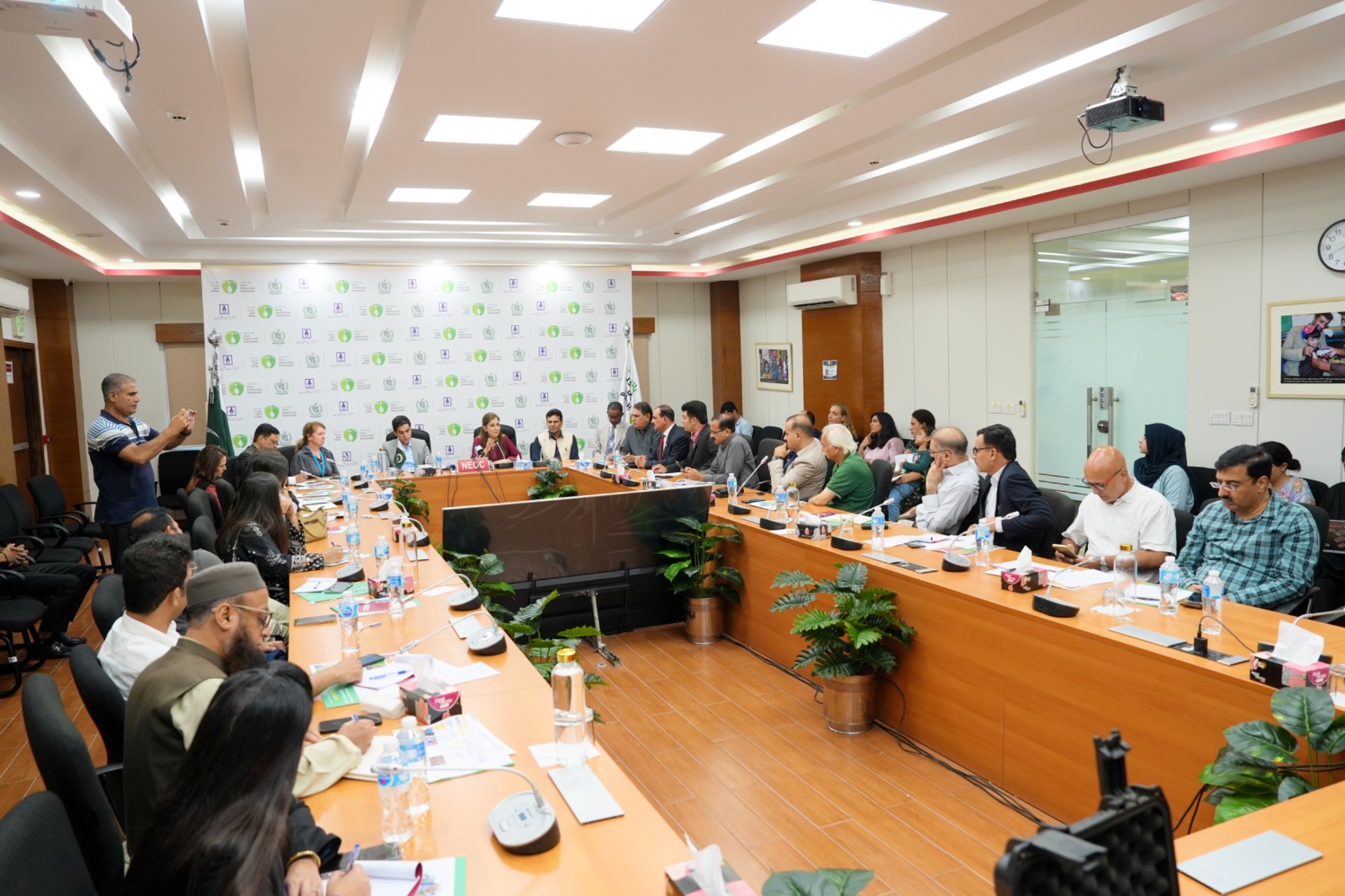
In a media briefing at the National Emergency Operations Centre (NEOC), Prime Minister’s Focal Person for Polio Eradication Ayesha Raza Farooq said surveillance data showed that poliovirus was still present in the country, but the surveillance system was effectively detecting its circulation.
She said the government was making sincere efforts to interrupt transmission by the end of this year and make Pakistan polio-free, adding that early detection and repeated vaccination campaigns remained critical to targeting the remaining virus reservoirs.
“Despite a 96 per cent reduction in cases nationwide compared to 2024, positive environmental samples show that the virus is still circulating,” she said.
Ayesha Raza Farooq said environmental surveillance had detected ongoing transmission, with 40 per cent of monitored districts reporting positive samples in 2026.
However, she said there had been a steady decline in positive detections, from 417 samples during January-July 2025 to 124 during the corresponding period of 2026.
She stressed that recurrent vaccination campaigns were essential to reaching children in remaining high-risk areas and ensuring that no child was missed, underscoring the importance of continued surveillance and vaccination.
The focal person also highlighted the importance of reaching mobile populations, saying greater focus was being placed on these groups to prevent the virus from spreading between different areas.
She said the oral polio vaccine was safe and vaccination remained the most effective tool for protecting children against the crippling disease.
She also called for greater public awareness regarding paralysis cases, explaining that not every paralysis case was caused by polio, as there were around 20 different causes of paralysis.
She urged the media to play its role in creating awareness and countering misconceptions about polio vaccination.
The focal person paid tribute to frontline polio workers, saying their courage, commitment and hard work could help Pakistan achieve the goal of stopping poliovirus transmission.
“Our frontline workers go above and beyond to reach every child and support communities, often working in challenging environments,” she said, adding that they were the first link in building public trust and their dedication and tireless efforts were crucial to making Pakistan polio-free.
The Pakistan Polio Eradication Initiative (PEI) has increased the daily stipend of more than 400,000 campaign-based frontline workers by 28 per cent ahead of the September 21-27 vaccination campaign.
She said Pakistan had reduced polio cases by 99.8 per cent, from an estimated 20,000 cases in the early 1990s to 31 in 2025 and three so far in 2026.
Ahead of the upcoming campaign, she urged parents and caregivers to allow vaccination teams to administer two drops of oral polio vaccine to every child under five.
She said a Sub-National Polio Immunization Campaign would be conducted in 115 designated districts across the country from September 21 to 27, targeting around 31 million children under five years of age.
She said trained polio workers would visit households during the week-long campaign to administer oral polio vaccine to children under five.
In Punjab, around 10.6 million children will be vaccinated in 13 designated districts, while 10 million children will be covered in 30 districts of Sindh.
Similarly, around 7.3 million children will receive polio drops in 37 districts of Khyber Pakhtunkhwa, while 2.3 million children will be vaccinated in 32 districts of Balochistan.
In Islamabad, around 447,000 children will receive polio drops, while 137,000 children in two designated districts of Gilgit-Baltistan will be vaccinated.
National Coordinator, National Emergency Operations Centre (NEOC), Anwar-ul-Haq, urged parents and caregivers to extend full cooperation to polio teams and ensure that every child under five received the vaccine during the campaign.
“Providing children with a polio-free future is our shared national responsibility,” he said, stressing that collective efforts were essential for the complete eradication of polio from Pakistan.