ISLAMABAD, Aug 17 (APP):Pakistan can draw valuable lessons from Indonesia’s experience in countering violent extremism, particularly its whole-of-society approach that has helped the country maintain a sustained period without terrorist attacks, an Indonesian counter-extremism expert said on Monday. Dr. Noor Huda Ismail, Visiting Fellow at RSIS Singapore and founder of the Institute for International Peace Building, Indonesia, made the remarks while delivering a distinguished lecture organized by the Consortium for …
Pakistan can learn from Indonesia’s zero-terrorist attack milestone: Expert

ISLAMABAD, Aug 17 (APP):Pakistan can draw valuable lessons from Indonesia’s experience in countering violent extremism, particularly its whole-of-society approach that has helped the country maintain a sustained period without terrorist attacks, an Indonesian counter-extremism expert said on Monday.
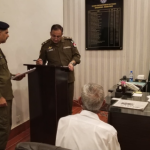
Dr. Noor Huda Ismail, Visiting Fellow at RSIS Singapore and founder of the Institute for International Peace Building, Indonesia, made the remarks while delivering a distinguished lecture organized by the Consortium for Asia Pacific and Eurasian Studies (CAPES), said a press release.
Dr. Ismail emphasized that Pakistan and Indonesia have lived through different versions of the same challenge of extremism in society despite the prevalence of traditional religious education, young and highly connected populations, and direct experience of terrorism. He noted that Indonesia’s counter-extremism journey gradually adopted a whole-of-society approach in four steps: counterterrorism, deradicalization, prevention, and community resilience.
He also noted that people don’t join an extremist movement because somebody hands them an ideology; rather, they are offered something more human, such as recognition, belonging, purpose, or incentives that answer their frustration. He emphasized that the radicals and terrorist groups exploit the gap by nurturing a cause or grievance and giving people a sense of belonging, which makes it hard to leave.
While sharing his own experiences with former radicals belonging to Jemaah Islamiyah (JI), he shared that radicalization is relational before it is ideological. Commenting on the use of internet by modern extremist groups, he added that the internet did not invent radicalization, however, it changes the speed, scale, and architecture of recruitment of extremists.
While answering questions of the participants, he stated that we need to examine identity, networks, grievances, and opportunities available to individuals that effect adoption of extremist attitudes.
President CAPES Dr. Khuram Iqbal delivered the opening remarks and commended the successes of Indonesia’s policy to ensure zero terrorist attacks annually since the Bali bombings in 2002. He noted the need to learn from the Indonesian experience and adopt a similar attitude to ensure comprehensive countering violent extremism policies in Pakistan.