

ISLAMABAD, Feb 22 (APP):In a major move to ensure the smoothest Hajj experience in history for Pakistani pilgrims, the Ministry of Religious Affairs and Interfaith Harmony has successfully concluded the first phase of a 10-day modern training program for Khuddam-ul-Hujjaj.
Drawing inspiration from international best practices in Indonesia, Turkey, and Malaysia, the program marks a shift from traditional briefings to technical training.
For the first time, Khuddam-ul-Hujjaj have been equipped with digital maps developed by the Survey of Pakistan, life-saving skills from Rescue 1122, and crowd management modules provided by the Islamabad Police. The primary objective is to provide immediate and professional assistance to pilgrims in Makkah, Madinah, and the holy sites of Mashair (Mina, Arafat, and Muzdalifah).
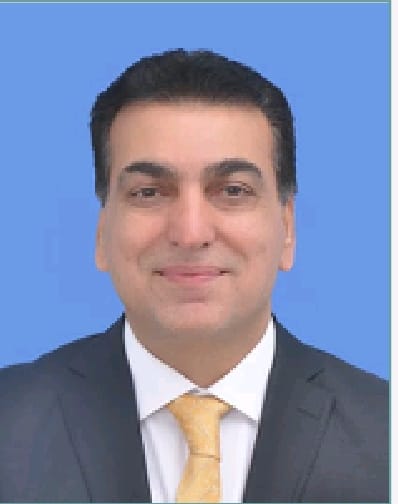
Talking to APP, Zulfiqar Khan, Coordinator for Makkah and Khuddam-ul-Hujjaj, stated that the training modules were developed after studying global benchmarks. “We invited experts from the Survey of Pakistan to train our staff in digital map reading via smartphones and PowerPoint to ensure precise guidance for pilgrims,” he said. He added that Rescue 1122 conducted “mock exercises” for CPR and emergency medical aid. The training is divided into two phases: a completed joint session and an upcoming “Functional Level” Specialized training. This second phase will prepare food, transport, and building teams for their specific “job desks” to handle any crisis effectively.
To ensure transparency and alertness, online quizzes were conducted at the end of each session. Out of the participants, over 500 achieved a 100% score. Training also included road management and basic Arabic language courses through the International Islamic University to bridge the communication gap in Saudi Arabia.
Zulfiqar Khan stated that a significant number of female assistants have been included this year to ensure comprehensive support for all pilgrims. He highlighted that assistants have been equipped with a “digital view” of Mina’s roads, bridges, and Jamarat routes, making them fully aware of camp locations and zones well in advance.
Under the new ‘Nazim Scheme’ initiative, a supervisor will accompany a group of 188 pilgrims on the same flight from Pakistan and remain with them throughout their stay—managing daily worship routines, travel to holy sites, and the return journey. Furthermore, as a pilot project, 23,000 Pakistani pilgrims will travel between Madinah and Makkah via high-speed train in just two hours; helpers have been specifically trained in platform management to facilitate this transition. Zulfiqar Khan added that the Khuddam were also instructed on managing the round-the-clock ‘Saloat’ shuttle service, which transports pilgrims from their buildings to various drop-off points at the Haram for their daily prayers.
Zulfiqar Khan emphasized that 870 Khuddam-ul-Hujjaj, selected through a competitive process, will serve as the backbone of the transport, food, and accommodation sectors. “This modern training signifies that Hajj 2026 will serve as an administrative role model, ensuring both spiritual peace and logistical excellence for our pilgrims,” he concluded.