
ISLAMABAD, Dec 01 (APP): The Supreme Court of Pakistan has ruled that there can be no compromise on the protection of citizens’ employment, reputation, and fundamental rights. The remarks were issued in a detailed written judgment concerning civil petitions filed against the dismissal of Secondary School Teachers (SSTs) in Khyber Pakhtunkhwa. The judgment, authored by Justice Mian Gul Hasan Aurangzeb, expressed serious concern over the KP Service Tribunal’s reliance on …
No compromise on citizens’ employment and fundamental Rights, warns SC
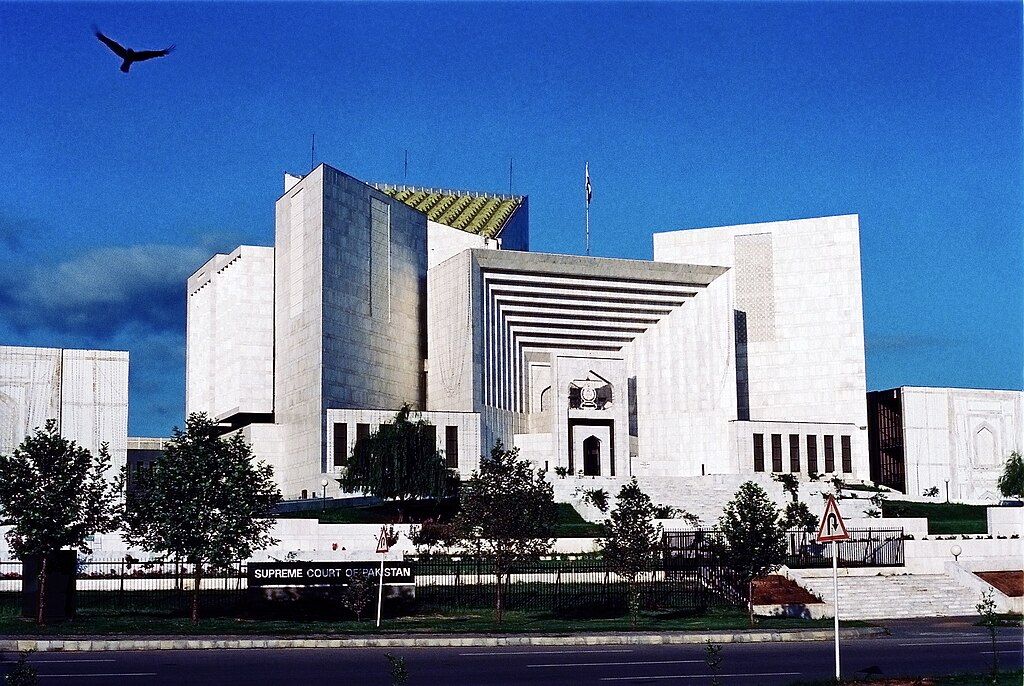
ISLAMABAD, Dec 01 (APP): The Supreme Court of Pakistan has ruled that there can be no compromise on the protection of citizens’ employment, reputation, and fundamental rights. The remarks were issued in a detailed written judgment concerning civil petitions filed against the dismissal of Secondary School Teachers (SSTs) in Khyber Pakhtunkhwa.
The judgment, authored by Justice Mian Gul Hasan Aurangzeb, expressed serious concern over the KP Service Tribunal’s reliance on judicial precedents that were found to be nonexistent. The Court noted that the Tribunal appeared to have relied on incorrect or AI-generated material, calling the development “regrettable.”
The case involves 41 teachers appointed in 2012 and 2013 under directives of the FATA Education Directorate. While some were initially hired on contract, they were later regularized under the 2009 Regularization Act. After several years of service, the Directorate of Elementary and Secondary Education annulled their appointments in 2019, terming them “fake” and ordering salary recovery.
The KP Service Tribunal twice set aside these dismissals and ordered inquiries. However, after a third inquiry, the Directorate reinstated the termination orders on 30 August 2024.
According to the 17 May 2024 inquiry report submitted before the Supreme Court, all teachers possessed valid academic credentials and had served for years while drawing regular salaries. The report also confirmed that the Directorate failed to produce essential appointment documents. It concluded that the teachers committed no fraud and that any irregularity stemmed from the appointing authorities, making the dismissals a violation of fundamental rights.
The Supreme Court observed that failure of the KP Public Service Commission to respond could not justify termination, nor could employment be ended merely due to absence of online records. The Court expressed alarm that the Tribunal cited judgments—such as SCMR 985-2022 and PLD 2021-362—that do not exist.
The Court held that the matter requires careful scrutiny and reiterated that citizens’ livelihoods and constitutional rights must be fully protected.