
ISLAMABAD, Apr 07 (APP):The National Institute of Health (NIH) has issued an advisory on Crimean-Congo Hemorrhagic Fever (CCHF), urging health authorities to take timely and appropriate measures to prevent the spread of the disease. According to the advisory, increased vigilance is necessary during Eid-ul-Adha due to the heightened risk of Congo fever, as large-scale animal movement and human contact with livestock significantly increase during this period. CCHF is a viral …
NIH issues Congo Fever advisory
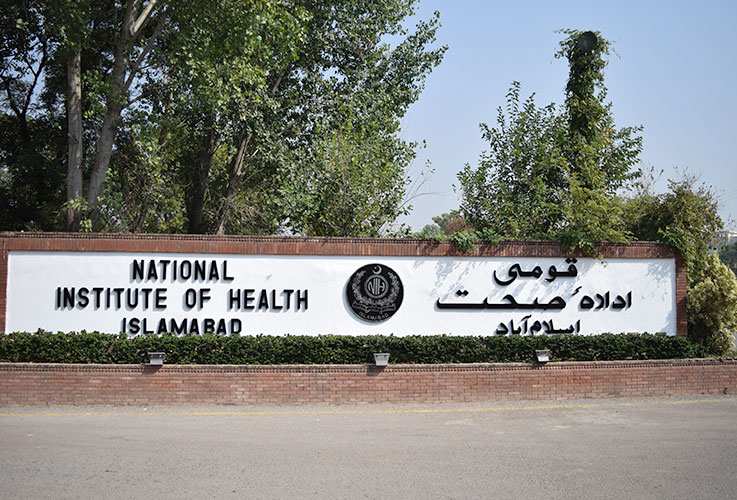
ISLAMABAD, Apr 07 (APP):The National Institute of Health (NIH) has issued an advisory on Crimean-Congo Hemorrhagic Fever (CCHF), urging health authorities to take timely and appropriate measures to prevent the spread of the disease.
According to the advisory, increased vigilance is necessary during Eid-ul-Adha due to the heightened risk of Congo fever, as large-scale animal movement and human contact with livestock significantly increase during this period.
CCHF is a viral disease caused by a Nairovirus and is primarily transmitted through ticks found on animals such as goats, sheep, and cattle.
The virus can spread to humans through tick bites or direct contact with the blood and tissues of infected animals, particularly during and immediately after slaughter.
Human-to-human transmission is also possible through contact with infected blood.
The first case of Congo fever in Pakistan was reported in 1976. While the highest number of cases is reported from Balochistan, infections have also been recorded in Punjab, Sindh, and Khyber Pakhtunkhwa.
Data shared by NIH shows that 61 confirmed cases of CCHF were reported nationwide in 2024, with a case fatality rate of 15 percent. In 2025, cases increased to 82, including 20 deaths. As of March 2026, four cases have already been reported.
The advisory highlights that the risk increases during Eid-ul-Adha due to the surge in livestock movement across provinces and closer human interaction with animals.
Citizens have been urged to adopt precautionary measures to minimize the risk of infection, including wearing light-colored clothing to easily spot ticks, safely removing ticks from skin, avoiding areas heavily infested with ticks, and using gloves while handling animals or meat.
The advisory strongly recommended proper disposal of animal waste and avoiding direct contact with blood during slaughter.