ISLAMABAD, Jun 10 (APP): The National Economic Council (NEC) on Wednesday approved a national development budget of Rs 3.669 trillion for Fiscal Year 2026-27 and set a GDP growth target of 4 percent for the upcoming fiscal year. The NEC meeting, chaired by Prime Minister Shehbaz Sharif, approved allocations of Rs 1000 billion for the Federal Public Sector Development Programme (PSDP), Rs 2,218 billion for provincial Annual Development Programmes (ADPs), …
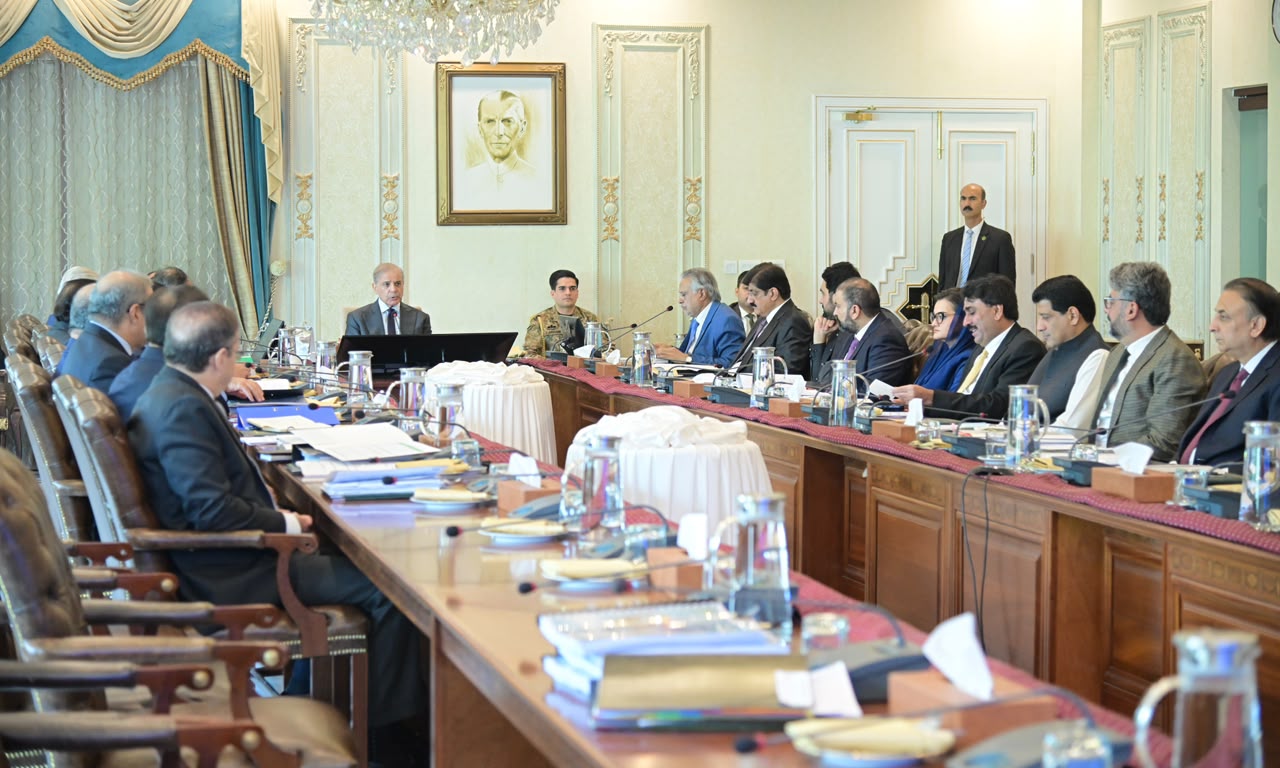
ISLAMABAD, Jun 10 (APP): The National Economic Council (NEC) on Wednesday approved a national development budget of Rs 3.669 trillion for Fiscal Year 2026-27 and set a GDP growth target of 4 percent for the upcoming fiscal year.
The NEC meeting, chaired by Prime Minister Shehbaz Sharif, approved allocations of Rs 1000 billion for the Federal Public Sector Development Programme (PSDP), Rs 2,218 billion for provincial Annual Development Programmes (ADPs), and Rs 451 billion for State-Owned Enterprises (SOEs).
The council also approved a revised GDP growth rate of 3.7 percent for FY2025-26 and directed relevant ministries, provincial governments and public-sector institutions to work closely with the Ministry of Planning to achieve the targets outlined in the Annual Plan 2026-27.
The meeting reviewed the performance of the Central Development Working Party (CDWP) and the Executive Committee of the National Economic Council (ECNEC) from April 2025 to March 2026.
Participants were informed that during the period under review, the CDWP approved 116 projects worth Rs 316 billion, while ECNEC approved 72 projects valued at Rs 5.117 trillion.
A report on the monitoring and evaluation of mega development projects during FY2025-26 was also presented. The meeting was informed that a new monitoring and evaluation policy had been formulated, including a pilot initiative to assess development projects through Artificial Intelligence (AI).
The NEC further approved 11 national economic development missions under the Uraan Pakistan initiative and directed the Ministry of Planning and Development to prepare a comprehensive roadmap for their implementation in coordination with relevant ministries and provincial governments.
The council was also briefed on revised economic performance indicators for FY2025-26. It was informed that during the outgoing fiscal year, Rs 820 billion was being spent under the federal PSDP, Rs 2.938 trillion on provincial ADPs, and Rs 355 billion on SOE programmes.
Addressing the meeting, Prime Minister Shehbaz Sharif thanked participants for unanimously approving the council’s agenda and said consensus on national issues would further strengthen the federation.
He said the spirit of unity and cooperation among the federating units would continue to drive Pakistan’s progress and development.
The prime minister expressed appreciation for the support extended by all four chief ministers during challenging economic conditions and lauded the performance of the government’s economic team in helping achieve macroeconomic stability.
Participants paid tribute to the prime minister for maintaining economic stability despite the adverse impact of recent tensions in the Gulf region on the global economy and for his diplomatic efforts aimed at reducing regional tensions.
Highlighting Pakistan’s key challenges, the prime minister said rapid population growth remained a major concern. He emphasized that improving healthcare services, reducing child malnutrition—particularly stunting—providing education to out-of-school children, and creating employment opportunities for young people were among the government’s top priorities.
He said the government was pursuing a strategy to equip youth with technical and vocational skills and reiterated that an export-led economy remained central to Pakistan’s long-term growth strategy.
The prime minister also directed greater coordination between federal and provincial development initiatives and stressed that development spending should be aligned with national priorities and sustainable economic objectives.
He expressed confidence that collective national efforts would help Pakistan achieve sustained growth, prosperity and economic self-reliance.
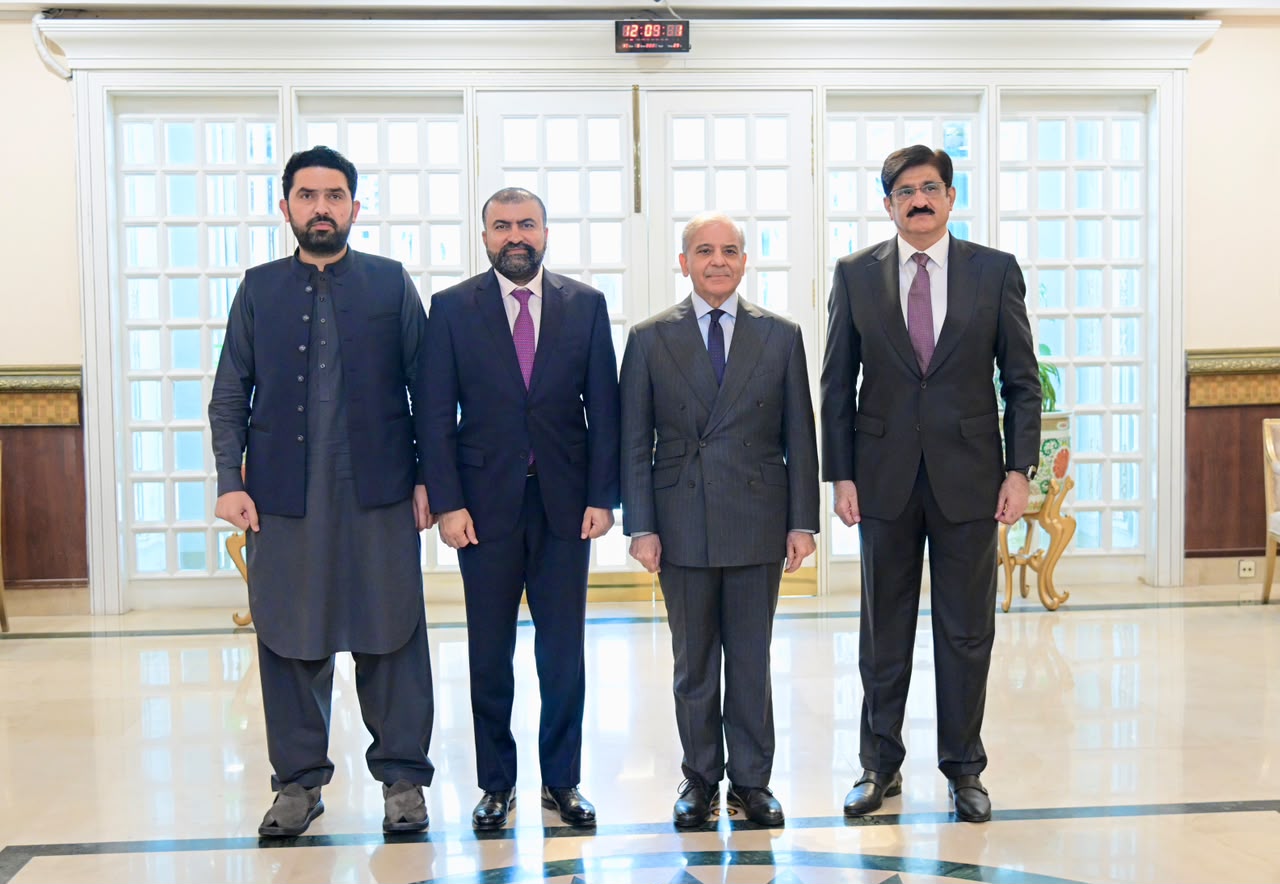
The meeting was attended by Deputy Prime Minister and Foreign Minister Ishaq Dar, Defence Minister Khawaja Muhammad Asif, Planning Minister Ahsan Iqbal, Minister for Economic Affairs Ahad Khan Cheema, Finance Minister Muhammad Aurangzeb, Adviser to the Prime Minister Rana Sanaullah, Sindh Chief Minister Murad Ali Shah, Khyber Pakhtunkhwa Chief Minister Muhammad Sohail Afridi, Balochistan Chief Minister Sarfraz Bugti, Punjab Senior Minister Maryam Aurangzeb, and other members of the National Economic Council.