ISLAMABAD, Feb 16 (APP):The National Disaster Management Authority (NDMA), in collaboration with the United Nations Resident Coordinator Office, has launched a policy-level humanitarian coordination framework to strengthen anticipatory disaster preparedness for 2026. In line with the national task of proactive planning, both institutions have concluded a formal calendar of activities prioritized for stakeholders, including humanitarian partners, to ensure structured readiness and coordinated response. This coordinated framework is aimed at strengthening …
ISLAMABAD, Feb 16 (APP):The National Disaster Management Authority (NDMA), in collaboration with the United Nations Resident Coordinator Office, has launched a policy-level humanitarian coordination framework to strengthen anticipatory disaster preparedness for 2026.
In line with the national task of proactive planning, both institutions have concluded a formal calendar of activities prioritized for stakeholders, including humanitarian partners, to ensure structured readiness and coordinated response.
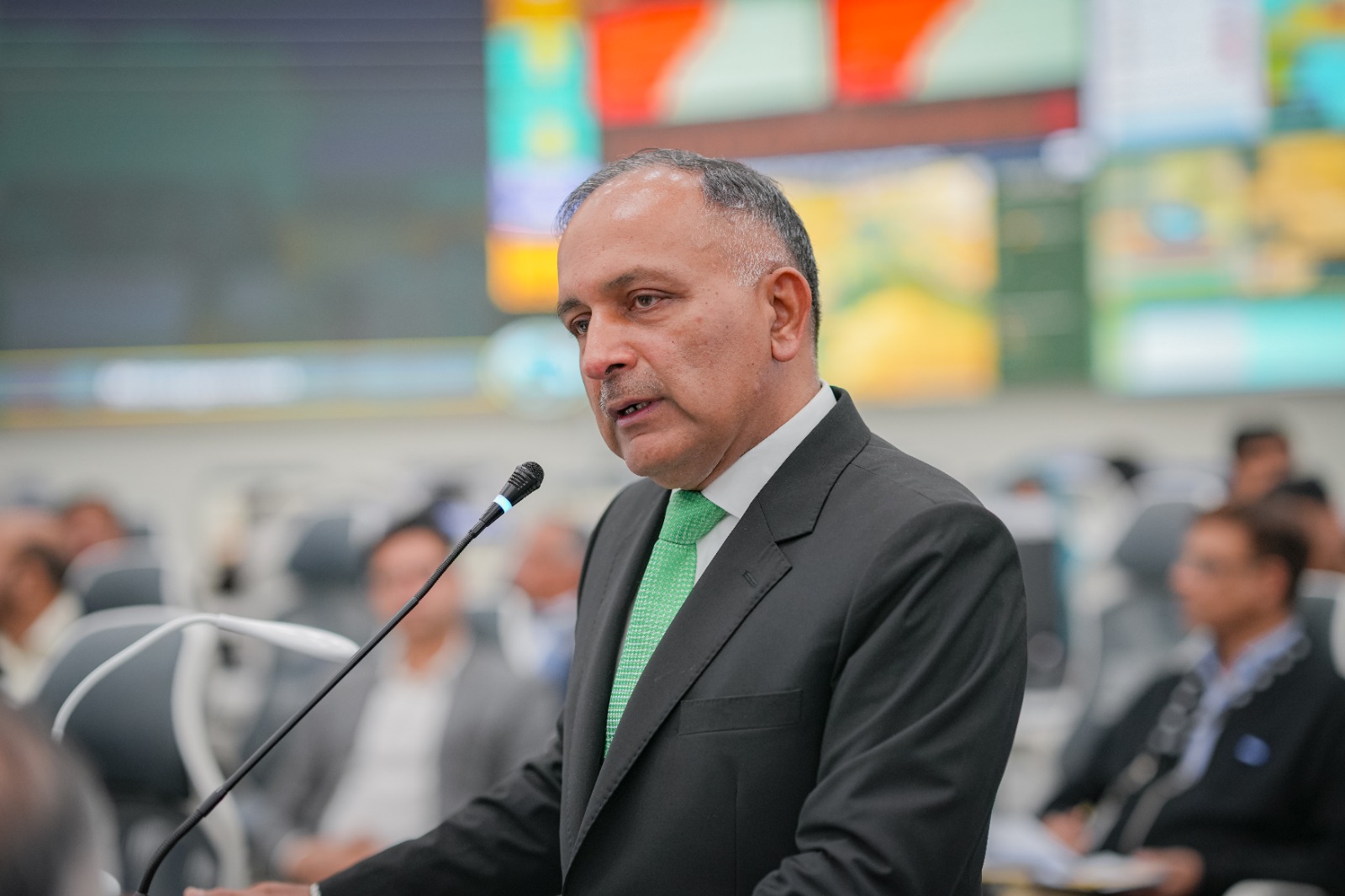
This coordinated framework is aimed at strengthening national readiness through structured planning, synergetic response and timely action. In this regard, NDMA convened a high-level Humanitarian Conference on Sectoral Clusterization at National Emergencies Operation Center (NEOC) in Islamabad.

The session was co-chaired by Chairman NDMA Lieutenant General Inam Haider Malik, and UN Resident and Humanitarian Coordinator Mohamed Yahya. The conference brought together federal ministries, UN agencies, international and national NGOs, and humanitarian partners to agree on a Composite Response Matrix (CRM) for coordinated disaster preparedness and response.
Participants were also briefed on NDMA’s Pakistan Disaster Lense and Global Disaster Lense 2026 showcasing advanced risk analytics and seasonal hazard outlook models. The lenses demonstrate high forecasting reliability for 10 months in advance with upto 95 percent accuracy to support anticipatory planning and risk informed decision-making.
Chairman NDMA acknowledged the continued support and partnership of humanitarian stakeholders and emphasized that a sectoral cluster approach will help build an integrated and agile coordination mechanism. He highlighted the central role of NEOC’s Hazard Calendars in continuously monitoring hazards and risk patterns at national and global levels, and in issuing regular alerts and advisories for public safety and preparedness. He stressed that technology-enabled risk communication systems and interoperable coordination platforms are essential pillars of disaster risk reduction and adaptation plans for communities.

NDMA team also launched the Global Disaster Early Warnings (GDEW) mobile application. It will also strengthen the global early warning ecosystem and extends information access beyond borders. The application will improve real-time information sharing, global early warning dissemination and operational coordination among global partners.
UN Resident and Humanitarian Coordinator Mohamed Yahya called for need-based and people-centered disaster management. He said preparedness must be treated as a policy imperative. He lauded NDMA’s leadership in building interoperability frameworks and partnerships. He noted that the cluster-based approach will enhance collaboration, information flow and operational synergy across sectors.

NDMA reaffirmed its commitment to round-the-clock coordination, timely dissemination of early warnings, and proactive engagement with all stakeholders to minimize disaster risk and protect lives, livelihoods, and critical infrastructure across the country.