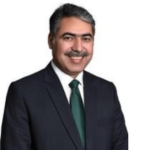
ISLAMABAD, Dec 19 (APP):National Assembly Speaker Sardar Ayaz Sadiq has reaffirmed Pakistan’s commitment to strengthening bilateral relations with the Maldives during a meeting with Maldivian Vice President. The parliamentary delegation, led by the Speaker, is currently on an official visit to the Republic of Maldives at the special invitation of the Speaker of the People’s Majlis, Abdul Raheem Abdulla. As part of the visit, the Pakistani delegation also called on …
NA Speaker reaffirms strong Pakistan–Maldives ties

ISLAMABAD, Dec 19 (APP):National Assembly Speaker Sardar Ayaz Sadiq has reaffirmed Pakistan’s commitment to strengthening bilateral relations with the Maldives during a meeting with Maldivian Vice President.
The parliamentary delegation, led by the Speaker, is currently on an official visit to the Republic of Maldives at the special invitation of the Speaker of the People’s Majlis, Abdul Raheem Abdulla. As part of the visit, the Pakistani delegation also called on the President of the Republic of Maldives, Uz Hussain Mohamed Latheef, at the President’s Office, underscoring the importance of parliamentary diplomacy in fostering closer ties between the two nations.
Speaker Sardar Ayaz Sadiq expressed his gratitude for the warm welcome extended by the Vice President, the People’s Majlis and the Government of the Republic of Maldives. He stated that the hospitality accorded to the Pakistani delegation reflects the deep-rooted friendship, mutual respect, and strong bonds of brotherhood between the peoples of Pakistan and the Maldives. The parliamentary delegation accompanying the NA Speaker comprises MNAs Salahuddin Junejo, Naveed Amir Jeeva, Mehmood Qadir Khan, Bilal Farooq Tarar, Muhammad Bilal Badar, and Daniyal Ahmed.
Speaker Sardar Ayaz Sadiq underscored the longstanding, close and cordial relations between Pakistan and the Maldives, based on shared religion, and strong people-to-people linkages. He reaffirmed Pakistan’s firm commitment to further strengthening bilateral and parliamentary relations and emphasized the importance Pakistan attaches to its friendship with the Maldives.
Speaker Sardar Ayaz Sadiq highlighted cross-border terrorism as a serious regional and global challenge. He stated that Pakistan continues to face the menace of cross-border terrorism, including activities of Indian-sponsored Fitna-al-Khawarij, and emphasized that terrorism in all its forms and manifestations must be collectively addressed through coordinated regional and international efforts.
The NA Speaker also expressed grave concern over ongoing human rights violations in different parts of the world, particularly the plight of the Palestinian people, who continue to suffer due to illegal blockades on food and medical aid imposed by Israeli occupation forces. He stressed the urgent need for unhindered humanitarian assistance and an immediate end to the suffering of civilians.
Speaker Sardar Ayaz Sadiq further highlighted the continued denial of the right to self-determination to the people of IIOJK, and noted with concern that the illegal abrogation of Articles 370 and 35-A of the Indian Constitution has deprived Kashmiris of their distinct legal identity and right to land ownership, in clear violation of international law and UN Security Council resolutions.
Speaker Sardar Ayaz Sadiq also raised serious concerns regarding the growing marginalization and systemic oppression of Muslims in India. He referred to incidents of religious, social and political intolerance, including the recent disturbing act involving the Chief Minister of Bihar, Nitish Kumar, which reflected an alarming trend of intolerance. He regretted that such actions were met with support rather than condemnation by certain political elements, and stressed that these developments pose serious concerns for the safety, dignity and fundamental rights of minorities.
Both leaders noted that climate change is a shared global challenge, and stressed that both countries are particularly vulnerable to its adverse impacts. They collectively called for enhanced cooperation to strengthen climate resilience through joint initiatives, exchange of expertise and coordinated efforts at regional and international platforms.
Vice President, Uz Hussain Mohamed Latheef commended Pakistan’s role for regional peace and stability. He further highlighted the significant potential for expanding cooperation in key areas, including tourism and higher education. He stated that enhanced people-to-people exchanges, academic collaboration and institutional linkages would play a vital role in deepening bilateral engagement and delivering tangible benefits to both nations.