The National Assembly Secretariat has implemented comprehensive austerity and fuel conservation measures aimed at ensuring prudent use of public resources, reducing energy consumption and supporting the Federal Government’s national austerity drive.
NA Secretariat enforces austerity measures, adopts four-day work week
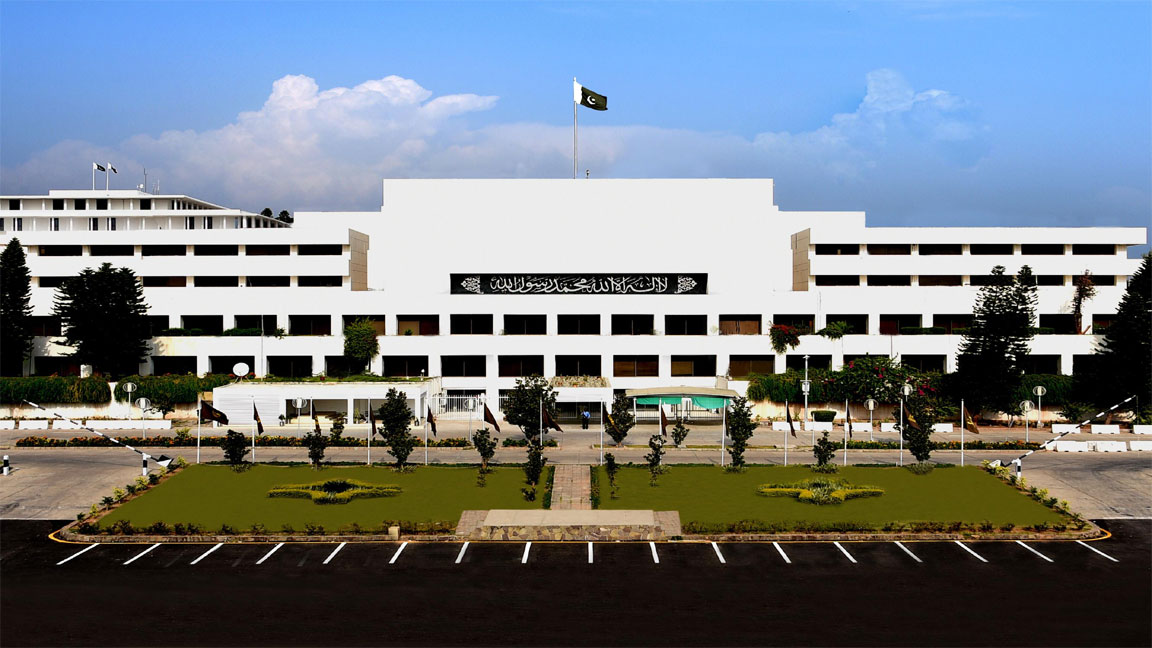
ISLAMABAD, Mar 11 (APP): The National Assembly Secretariat has implemented comprehensive austerity and fuel conservation measures aimed at ensuring prudent use of public resources, reducing energy consumption and supporting the Federal Government’s national austerity drive.
According to an official notification issued by the Secretariat, the measures have been introduced in line with the austerity policy announced by the government under the leadership of Prime Minister Muhammad Shehbaz Sharif.
On the directions of Speaker of the National Assembly Sardar Ayaz Sadiq, under the new policy, only 20 percent of staff will perform duties through physical presence at their respective workplaces, while the remaining 80 percent of employees will work from home through a rotational duty roster prepared by the Human Resource Management (HRM) Wing.
The employees working from home will remain available through telephone, email, WhatsApp and other communication platforms and must report to the office within one hour’s notice if required by their reporting officers.
The notification said that employees working from home will not be entitled to diet allowance or overtime, and no employee will be allowed to leave the station without prior approval from the competent authority.
The Secretariat will also observe a four-day working week, in accordance with the Federal Government’s policy, except during the session days of the National Assembly.
As part of the energy conservation plan, the Secretariat aims to achieve a 70 percent reduction in electricity consumption by switching off unnecessary lights and minimizing the use of electrical appliances. Cafeterias operating within the Secretariat will also ensure a 70 percent reduction in utility bills.
In addition, sessions of the National Assembly and meetings of parliamentary committees will be scheduled before sunset to reduce electricity usage.
The Secretariat will also rely on electricity generated through the Green Parliament Project (1 MW) to meet its energy needs while reducing dependence on the national grid.
Reduction in Official Transport
To cut fuel consumption and operational costs, the Secretariat has decided to reduce the use of official transport by 70 percent, with only 30 percent of transport facilities remaining operational for essential duties.
Consequently, 70 percent of official vehicles will remain grounded during the austerity period.
The Secretariat has also encouraged virtual or online meetings of Standing Committees to minimize travel and fuel expenses.
Furthermore, the number of committee meetings will be restricted to the bare minimum until the situation improves.
As part of broader austerity steps, the government has decided to implement a 25 percent reduction in the salaries and allowances of all Members of the National Assembly (MNAs) for a period of two months.
The officers of the National Assembly Secretariat in BPS-20 and above, or those drawing a monthly salary of Rs300,000 or more, will also contribute by forgoing two days’ salary for the national exchequer.
The Secretariat has suspended all types of procurement with immediate effect, except for essential day-to-day requirements, which will be kept at a minimum. It will also adopt a paperless working environment to further reduce administrative costs.
Additionally, foreign visits of parliamentary delegations have been suspended under the austerity policy.
Ayaz Sadiq emphasized that these measures demonstrate the Secretariat’s commitment to supporting the government’s austerity campaign and ensuring responsible utilization of public resources during the prevailing economic and regional challenges.