ISLAMABAD, Dec 16 (APP):The 18th meeting of the National Assembly Standing Committee on Information Technology & Telecommunication chaired by Chairman, MNA Syed Amin ul Haq on Tuesday expressed dissatisfaction over the performance of Pakistan Telecommunication Authority (PTA) and observed that the complaints were raising regarding quality of internet services in every meeting. During the meeting, the committee expressed concern that no significant improvement has been witnessed in the quality of …
NA body expresses concern on complaints about quality of internet services
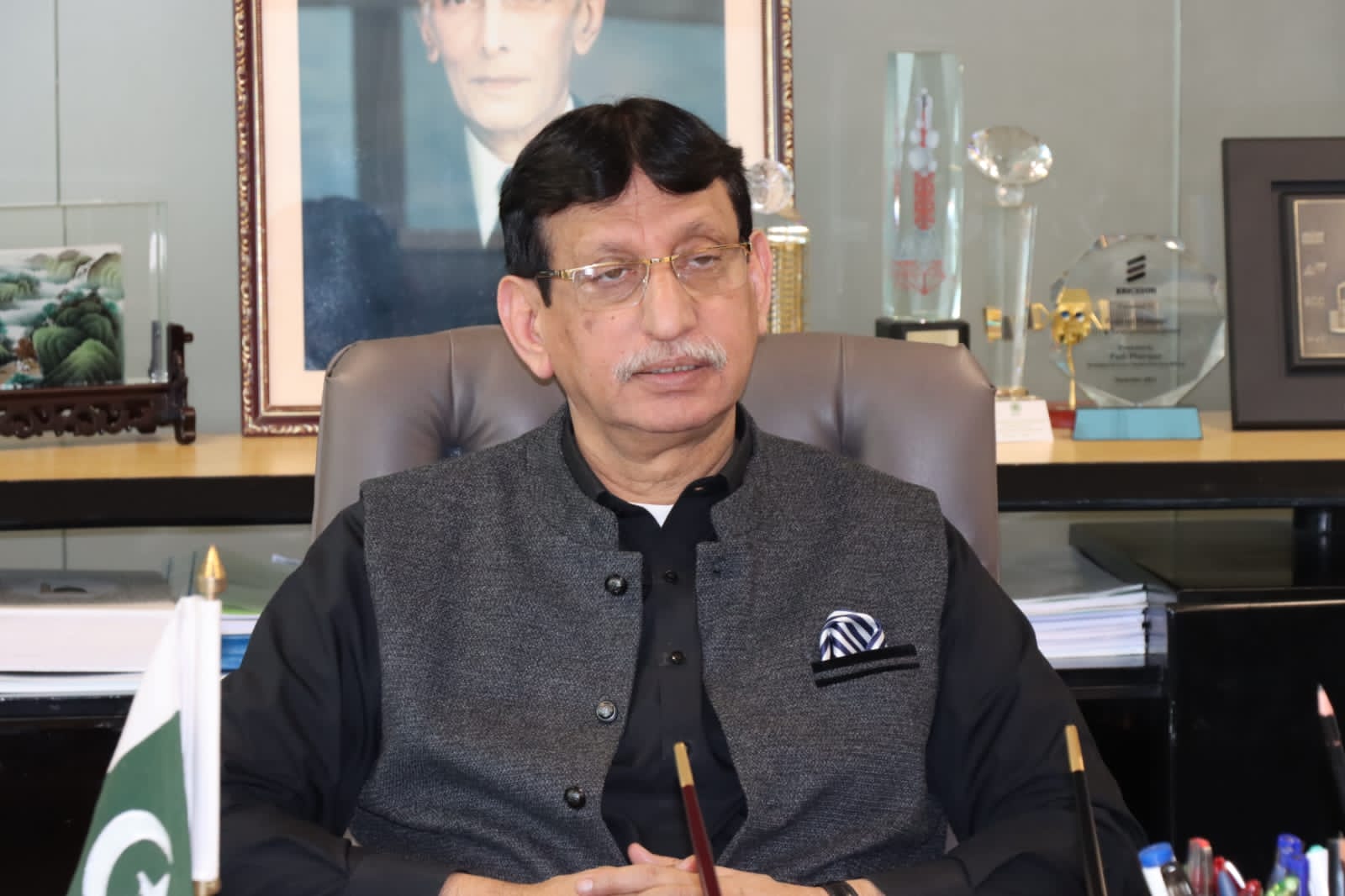
ISLAMABAD, Dec 16 (APP):The 18th meeting of the National Assembly Standing Committee on Information Technology & Telecommunication chaired by Chairman, MNA Syed Amin ul Haq on Tuesday expressed dissatisfaction over the performance of Pakistan Telecommunication Authority (PTA) and observed that the complaints were raising regarding quality of internet services in every meeting.
During the meeting, the committee expressed concern that no significant improvement has been witnessed in the quality of internet services so far.
The committee noted that PTA presents the services as satisfactory in official documents, whereas the ground realities are entirely different. The general public faces severe difficulties in accessing internet services and in many areas, the availability of internet services is almost non-existent.
It expressed serious concern over this situation and directed that immediate and effective measures be taken to improve the quality of internet services. The committee further stated that PTA had earlier been directed to appoint a focal person for each member to address their complaints in a timely manner. However, it was acknowledged that appointing such a large number of staff are not feasible.
In view of this, the committee directed that one officer from each of the twelve zonal offices of PTA be nominated, who shall remain in constant coordination with all members and ensure prompt and effective resolution of their issues.
The committee further directed that the forthcoming 5G spectrum auction process be conducted in a completely fair, free, and transparent manner, ensuring full compliance with all legal and regulatory (codal) formalities.
The committee recalled that it had previously directed that the 5G spectrum auction be held in Pakistani Rupees and that the spectrum prices should not be set unnecessarily high. Furthermore, It was directed that any discount or concession granted to telecom operators during the spectrum auction should be strictly linked to the utilization of such benefits for network and infrastructure improvement.
The committee expressed further concern that the agenda item related to SCO has been taken up in its meeting for the third time; however, the Head of SCO, i.e., the Director General, has not appeared before the committee so far. In view of this, the committee urged that the Director General, SCO, shall appear in person before it in the next meeting to provide a direct briefing to the members. Accordingly, the committee deferred the said agenda item to the next meeting.
The committee appreciated the efforts of the National Information Technology Board (NITB) and termed its performance commendable, stating that NITB is doing excellent work and that its projects are in the broader national interest. The committee emphasized that NITB should continue its work with the same commitment and consistency.
Furthermore, the committee directed that all matters of this NA body processed and approved through the e-Office system and that the committee be made completely paperless.
In this regard, it was directed that all briefings and agenda items be made available to the members on the tablets already provided to them prior to the upcoming meetings, so that the meetings of the Standing Committee on IT may be conducted in a fully paperless manner.
Thereafter, the committee deliberated upon The Prevention of Obscenity and Indecency in Digital Media Bill, 2025, which was moved by Ms. Shahida Rehmani, MNA. During the discussion, the National Cyber Crime Investigation Agency (NCCIA) presented its observations, stating that legislation of a similar nature already exists; therefore, there is no need for a separate law, as it would result in overlapping of legal provisions.
NCCIA further clarified that all such matters relating to digital media are already covered under the PECA Act. In view of these observations, the member, while acknowledging and understanding the directions of NCCIA, withdrew her Bill.
Furthermore, the committee directed the members to consult with NCCIA and examine whether any shortcomings or additional provisions are required in the existing law, and if so, the same may be incorporated into the PECA Act and the existing cybercrime legal framework, so as to avoid the creation of a new authority and to effectively address the issue of overlapping legislation.