Pakistan’s National Mental Health Policy will provide an opportunity to expand mental health support to more than 32 million people in need of care.
Mental health policy to support over 32m people
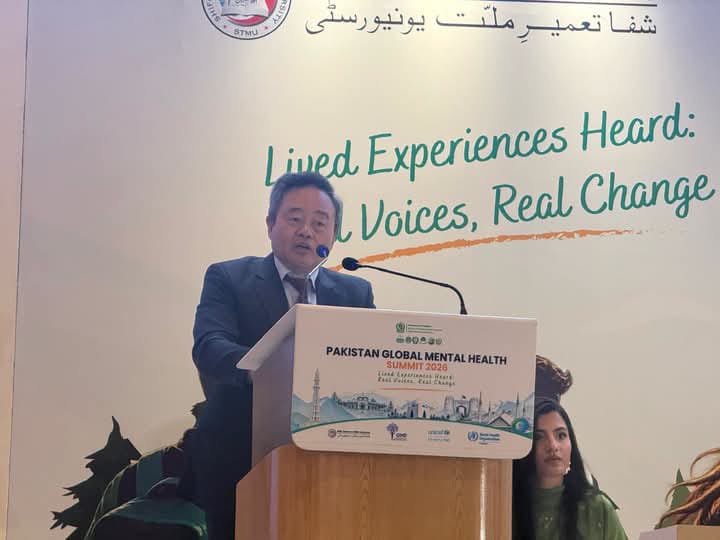
ISLAMABAD, Oct 02 (APP): Pakistan’s National Mental Health Policy will provide an opportunity to expand mental health support to more than 32 million people in need of care.
Speakers said this while addressing the closing session of the two-day Global Mental Health Summit on Friday.
WHO Representative in Pakistan Dr Luo Dapeng said the organization would continue to support Pakistan in reaching families with mental health services, stressing that mental health was an essential component of overall health.
“Pakistan’s National Mental Health Policy is an opportunity to reach over 32 million persons who need mental health support. WHO stands with Pakistan to reach every family, because there is no health without mental health,” Dr Luo said.
The two-day Global Mental Health Summit, held in Islamabad from October 1-2, brought together mental health experts, policymakers, academics and representatives of national and international organizations to discuss evidence-based approaches to strengthening mental health services.
The summit followed the launch of Pakistan’s National Mental Health Policy 2026-2035, which aims to expand access to mental health care through stronger services and greater emphasis on prevention, early identification and community-based support.
According to estimates shared during the summit, around 32.4 million people in Pakistan need mental health care, while only about five percent of the population has access to mental health services, leaving a significant treatment gap.
Participants emphasized the need for coordinated action by government institutions, healthcare professionals, development partners and communities to make mental health support accessible to people regardless of where they live.
The summit also highlighted the importance of integrating mental health into primary healthcare, schools and communities and strengthening prevention and early support to build healthier and more resilient communities.