PESHAWAR, May 17 (APP):Incidents of livestock attacks by lynx in various parts of Upper and Lower Chitral have witnessed a noticeable increase, causing financial losses to local communities and prompting renewed demands for an effective compensation mechanism for affected farmers and herders. Residents of remote mountainous areas said repeated attacks on goats, sheep and other domestic animals by the wild cats have created fear and concern among livestock owners whose …
Lynx attacks on livestock register surge in Chitral, communities demand compensation mechanism
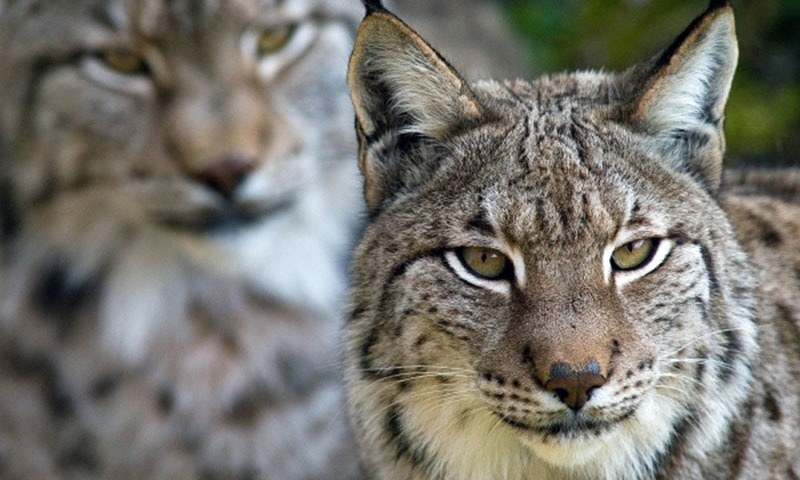
PESHAWAR, May 17 (APP):Incidents of livestock attacks by lynx in various parts of Upper and Lower Chitral have witnessed a noticeable increase, causing financial losses to local communities and prompting renewed demands for an effective compensation mechanism for affected farmers and herders.
Residents of remote mountainous areas said repeated attacks on goats, sheep and other domestic animals by the wild cats have created fear and concern among livestock owners whose livelihoods largely depend on animal husbandry.
They urged the Wildlife Department and relevant authorities to introduce timely compensation measures along with preventive strategies to reduce human-wildlife conflict in the region.
According to a local community member, Nisar Ahmad, lynx sightings have become more frequent near human settlements, particularly in high-altitude villages where harsh weather conditions, declining prey population and shrinking natural habitats are forcing wild animals to move closer to populated areas in search of food.
Sightings of the feline species have also been reported from areas of Lower Chitral, including Gobor and Karim Abad, where attacks on livestock pens have reportedly resulted in mass killings of sheep and goats.
An official of the Wildlife Department, requesting anonymity, said the increasing incidents of lynx attacks were causing serious concern among local communities.
He believed that decline and gradual disappearance of snow leopard, the top predator of Chitral, has created ecological space for the lynx to thrive in the valley, leading to an increase in attacks on comparatively weaker and more accessible prey.
He explained that snow leopards primarily hunt wild animals such as markhor and ibex, whereas the smaller-sized lynx tends to target domestic livestock, including goats and sheep, instead of larger and sturdy wild goats.
As a result, local communities are increasingly facing livestock losses due to the growing presence of lynx in populated mountain areas.
“In cases where several animals are killed in a single attack, it triggers severe anger and resentment among affected families whose primary source of income depends on livestock rearing and sale of milk and dairy products,” the official said.
He said claims for compensation are forwarded by the Wildlife Department after necessary investigation, but payments are yet to be released, leading to frustration among the affected communities and fears of possible retaliatory attacks on wild animals.
The government has allocated a compensation component under the Biodiversity Fund for livestock owners in cases of attacks by wild animals, he added.
The official, however, appreciated the cooperative attitude of local communities in Chitral, saying there had been no reported incident of retaliatory attacks on lynx or other wildlife species so far.
He also referred to a recent incident in which a hunting lynx was trapped by locals and safely handed over to wildlife officials instead of being harmed for release into a remote habitat.
Wildlife experts emphasized the need for a balanced conservation strategy that protects endangered wildlife species while simultaneously safeguarding the economic interests of local communities.
The affected residents also called for provision of predator-proof livestock enclosures, awareness campaigns and community-based conservation programmes to minimize losses and promote peaceful coexistence between humans and wildlife in Chitral’s ecologically sensitive mountainous landscape