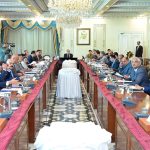
ISLAMABAD, Dec 24 (APP):Climate Action Forum (CAF) in collaboration with IRM and Institute of Regional Studies (IRS) has successfully hosted Post-COP30 panel discussion with a strong focus on translating global climate commitments into national policies and grassroots action relevant to Pakistan’s context. The event brought together over 100 participants from government departments, academia/students and civil society. The event was graced by Khalida Bashir, Joint Secretary, Climate Finance Wing, Ministry of …
IRM hosts post-COP30 panel discussion
ISLAMABAD, Dec 24 (APP):Climate Action Forum (CAF) in collaboration with IRM and Institute of Regional Studies (IRS) has successfully hosted Post-COP30 panel discussion with a strong focus on translating global climate commitments into national policies and grassroots action relevant to Pakistan’s context.
The event brought together over 100 participants from government departments, academia/students and civil society.
The event was graced by Khalida Bashir, Joint Secretary, Climate Finance Wing, Ministry of Climate Change and Environmental Coordination(MOCC&EC), as Chief Guest, said a press release issued here on Wednesday.
Distinguished moderators included Khalida Bashir, Joint Secretary, Climate Finance Wing, MoCC and EC, Dr. Roomi S. Hayat, Chair CAF and CEO IRM, Aisha Khan, CEO, CSCCC, Arif Goheer, Executive Director, GCISC, and Dr. Khalid Waleed, Research Fellow, SDPI with Ambassador Jauhar Saleem, President, IRS were the esteemed moderator of the panel discussion. The discussion featured diverse, intellectual, and substantive perspectives on COP30 outcomes by the esteemed panelists.
JS, MoCC and EC Khalida Bashir responding to a question regarding the loss and damage fund said, “Ministry is working on ideas to leverage this fund. NDRMF & NDMA is working in this regard and the Ministry is also seeking provincial support to strengthen the institutional capacity to channelize these funding streams.”
Dr. Hayat, Chair of the Climate Action Forum and CEO of IRM, highlighted that strengthening coordination can significantly improve climate action in Pakistan. He emphasized the need for better integration of scientific research, technical data, and indigenous knowledge to enhance responses to climate shocks. He also noted that engaging civil society would greatly improve the efficiency and impact of climate action initiatives.
Arif Goheer, ED GCISC responding to the progress of NDCs mentioned, ‘Last 2 NDCs were delayed, they were submitted one year delayed from their deadline, however, this time we tried our best to meet the deadline which was 2025 and submitted them right in time before the COP30 this year’
CEO, CSCCC Aisha discussing regarding the COP30 outcomes stated, “We do not have limited resources for climate action, what we need to do is to translate those promises to protection and ground for the communities that are the badly hit by the climate change.”
Dr. Khalid Waleed furthered the discussion with the mention of Just Transition and Belem Political Package and added, ‘The Belem Political Package at COP30 this year was based on ‘Mutirão’ which means collective action. COP provides this multilateral platform to discuss local problems with global context. In terms of Pakistan, Institutional Mutirão should be given priority.’
The session highlighted the importance of Post-COP dialogues in linking international agreements with local priorities. As many practitioners, policymakers, and communities are not directly involved in COP negotiations, such forums are crucial for unpacking outcomes, fostering critical reflection, and ensuring that global agreements are understood, owned, and meaningfully followed up at home.