Chairman Kashmir Institute of International Relations (KIIR) Altaf Hussain Wani on Monday, accused India of pursuing a systematic policy to weaken the collective identity and political rights of the people of Jammu and Kashmir and Ladakh through political manipulation, regional divisions and constitutional changes.
India pursuing policy to weaken Kashmiris’ collective identity: Altaf Wani
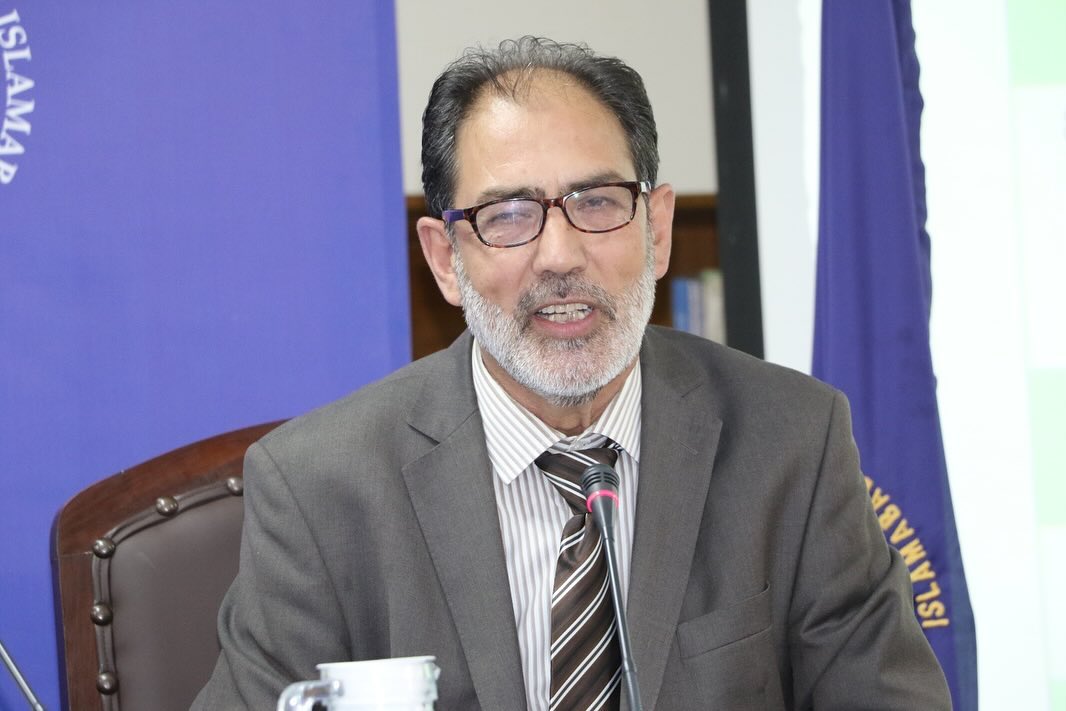
ISLAMABAD, Nov 23 (APP): Chairman Kashmir Institute of International Relations (KIIR) Altaf Hussain Wani on Monday, accused India of pursuing a systematic policy to weaken the collective identity and political rights of the people of Jammu and Kashmir and Ladakh through political manipulation, regional divisions and constitutional changes.
In an article titled “The Architecture of Erasure: From Accession to Dismantling,” Wani said that what began as a disputed accession in 1947 had evolved into a broader effort to undermine the region’s political autonomy, cultural identity and historical heritage.
He said India had used political measures, legal changes and military actions to suppress the aspirations of the people, adding that the promises of autonomy made at the time of accession had not been fulfilled.
Wani argued that the policy of “divide and rule” had widened divisions among different regions and communities, particularly between the Kashmir Valley and Jammu, as well as between Kargil and Leh.
He also highlighted divisions within the Pir Panjal and Chenab Valley regions, saying such fragmentation had weakened the collective political voice of the people.
The KIIR chairman said linguistic policies and reservation quotas had also contributed to social divisions, arguing that these measures had encouraged competition among communities instead of addressing their common concerns.
Referring to August 5, 2019, he said the abrogation of Article 370 and the reorganisation of the former state, including the separation of Ladakh as a Union Territory, had further weakened the region’s political and administrative autonomy.
Wani said the people of Ladakh, who had initially welcomed the change in the hope of greater autonomy, later raised concerns over the protection of their land, culture and ecological resources.
He also referred to demands for safeguards under the Sixth Schedule, the detention of climate activist Sonam Wangchuk under the National Security Act and concerns over the functioning of local democratic institutions.
He said the failure of talks between the Leh Apex Body, Kargil Democratic Alliance and the Ministry of Home Affairs reflected the continuing differences over the political and constitutional demands of Ladakh.
Wani urged the people of Jammu, Kashmir and Ladakh to overcome regional, linguistic and communal divisions, saying their shared concerns required a united political response.