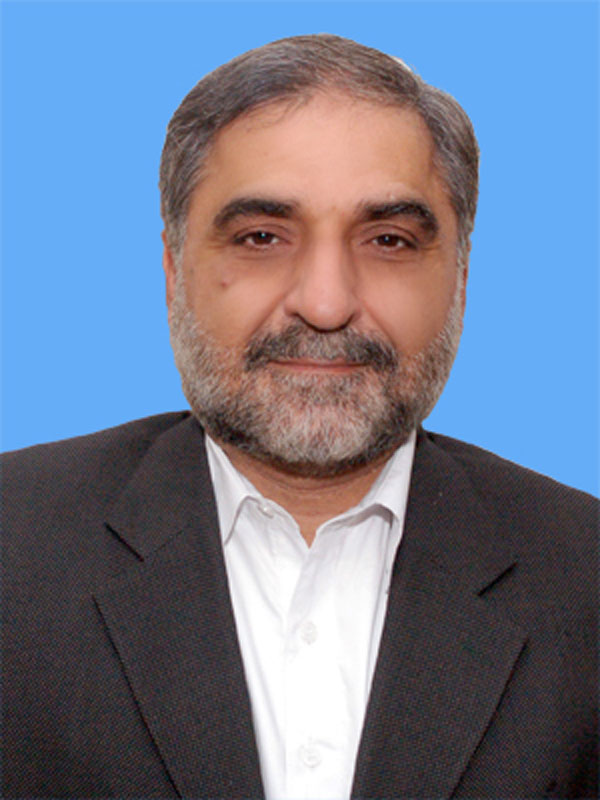
ISLAMABAD, Apr 05 (APP):Former Punjab Minister for Irrigation Mohsin Leghari has said that India cannot unilaterally suspend the Indus Waters Treaty (IWT), emphasizing the accord’s strong legal and institutional framework.
India can’t unilaterally suspend IWT: Mohsin Leghari
Hina Durrani
ISLAMABAD, Apr 05 (APP):Former Punjab Minister for Irrigation Mohsin Leghari has said that India cannot unilaterally suspend the Indus Waters Treaty (IWT), emphasizing the accord’s strong legal and institutional framework.
Mohsin Leghari, senior water policy expert currently associated with UNDP Pakistan’s National Governance Programme, described the Indus Waters Treaty as one of the world’s most successful water-sharing accords, noting that nearly 12 years of negotiations preceded its signing in 1960.
In an interview with APP, Leghari emphasized that the agreement contains robust legal safeguards, making it difficult for either country to withdraw unilaterally. Any such move, he added, would trigger international arbitration mechanisms.
He said he has consistently raised the issue on various forums and underscored the importance of sustained diplomatic engagement.
Addressing the ongoing concerns surrounding the treaty, Leghari said resolving disputes requires urgent diplomatic efforts despite India’s boycott of the arbitration tribunal.
“Channels of communication must remain open, and Pakistan should continue engaging with the international community,” he added.
He also stressed that Pakistan must continue legal proceedings to build a strong record.
He emphasized that alongside diplomatic efforts, Pakistan must strengthen its internal water management systems, improve conservation practices, and adopt sustainable storage strategies to ensure long-term water resilience.
He also called for both countries to resume meetings of the Permanent Indus Commission with facilitation from the World Bank and to negotiate any modernization of the treaty under Article XII, ensuring that legal compliance and mutual consent safeguard the water rights of both nations.