ISLAMABAD, Apr 05 (APP):The International Federation of Journalists (IFJ) here on Sunday conducted a one day training workshop titled “Rewriting the Story: Media, Gender and Politics”, where more than 20 journalists from different media platforms were engaged to address gender stereotypes in political reporting and promote reforms in newsroom practices under a project focusing on labour rights, gender equality and freedom of association in Pakistan’s media, according to a press …
IFJ training calls out gender bias in media, urges reform in political coverage
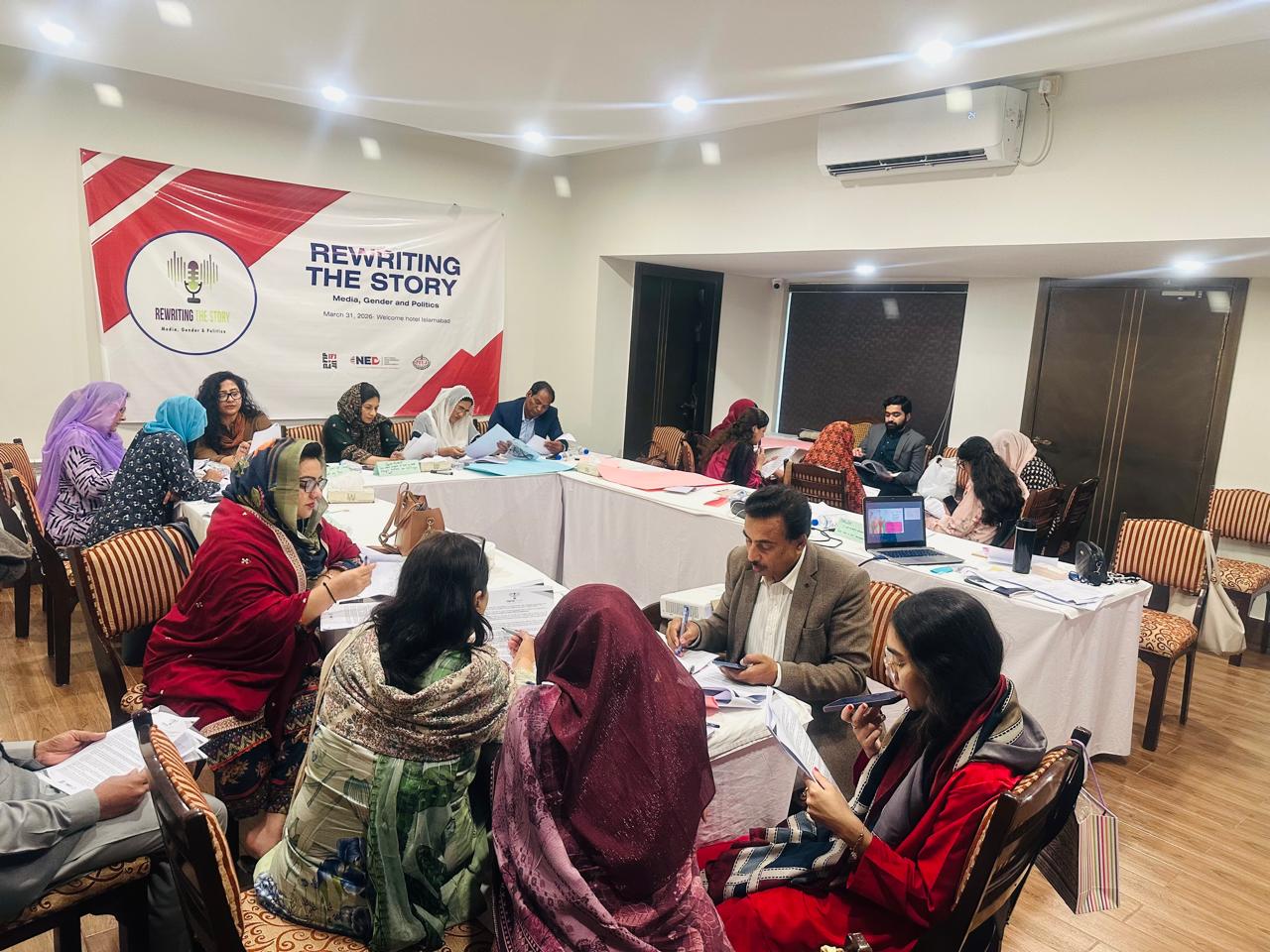
ISLAMABAD, Apr 05 (APP):The International Federation of Journalists (IFJ) here on Sunday conducted a one day training workshop titled “Rewriting the Story: Media, Gender and Politics”, where more than 20 journalists from different media platforms were engaged to address gender stereotypes in political reporting and promote reforms in newsroom practices under a project focusing on labour rights, gender equality and freedom of association in Pakistan’s media, according to a press release.
The training directly addressed barriers to the fair representation of women and men in political and public life, while fostering engagement, leadership and change in editorial policies and media culture.
The participants observed that media coverage of women in politics often centred on personal attributes such as family background, marital status, wealth and appearance, while neglecting their professional competence and policy contributions. This imbalance, they noted, reinforces stereotypes, undermines credibility and diminishes women’s visibility in governance.
The discussion also highlighted how mainstream and digital platforms amplify such biases, with social media further intensifying the issue by turning sexist remarks into viral trends, thereby normalizing misogyny in political discourse.
Through interactive sessions, the workshop enhanced participants’ understanding of gender concepts, identification of bias and inclusive reporting practices.
It also introduced practical tools including media framing analysis, ethical journalism standards and strategies to improve diversity and representation in political coverage.
As a key outcome, participants proposed a set of recommendations, including structured training programmes for media leadership, ensuring gender balance in recruitment and newsroom decision making, and providing equal opportunities in assignments and coverage for both male and female journalists.
They also emphasized fair representation within journalists’ unions at both regional and national levels.
Highlighting the need for sustained reform, participants stressed the importance of institutional policies promoting gender equality, alongside ensuring journalists’ safety, equal pay and job security, as well as the adoption of gender-sensitive editorial guidelines across media organizations.
The initiative, supported by the National Endowment for Democracy, was described as a significant step towards strengthening responsible journalism and enabling citizens to make informed decisions, particularly in electoral contexts.