Chairman of the Pakistan Ulema Council, Hafiz Muhammad Tahir Mehmood Ashrafi, Monday emphasised that ideological terrorism poses a greater danger than physical terrorism.
ISLAMABAD, Sep 28 (APP): Chairman of the Pakistan Ulema Council, Hafiz Muhammad Tahir Mehmood Ashrafi, Monday emphasised that ideological terrorism poses a greater danger than physical terrorism.

He noted that scholars, religious leaders, universities, seminaries, religious organizations and governments must take effective joint measures on an urgent basis to counter it.
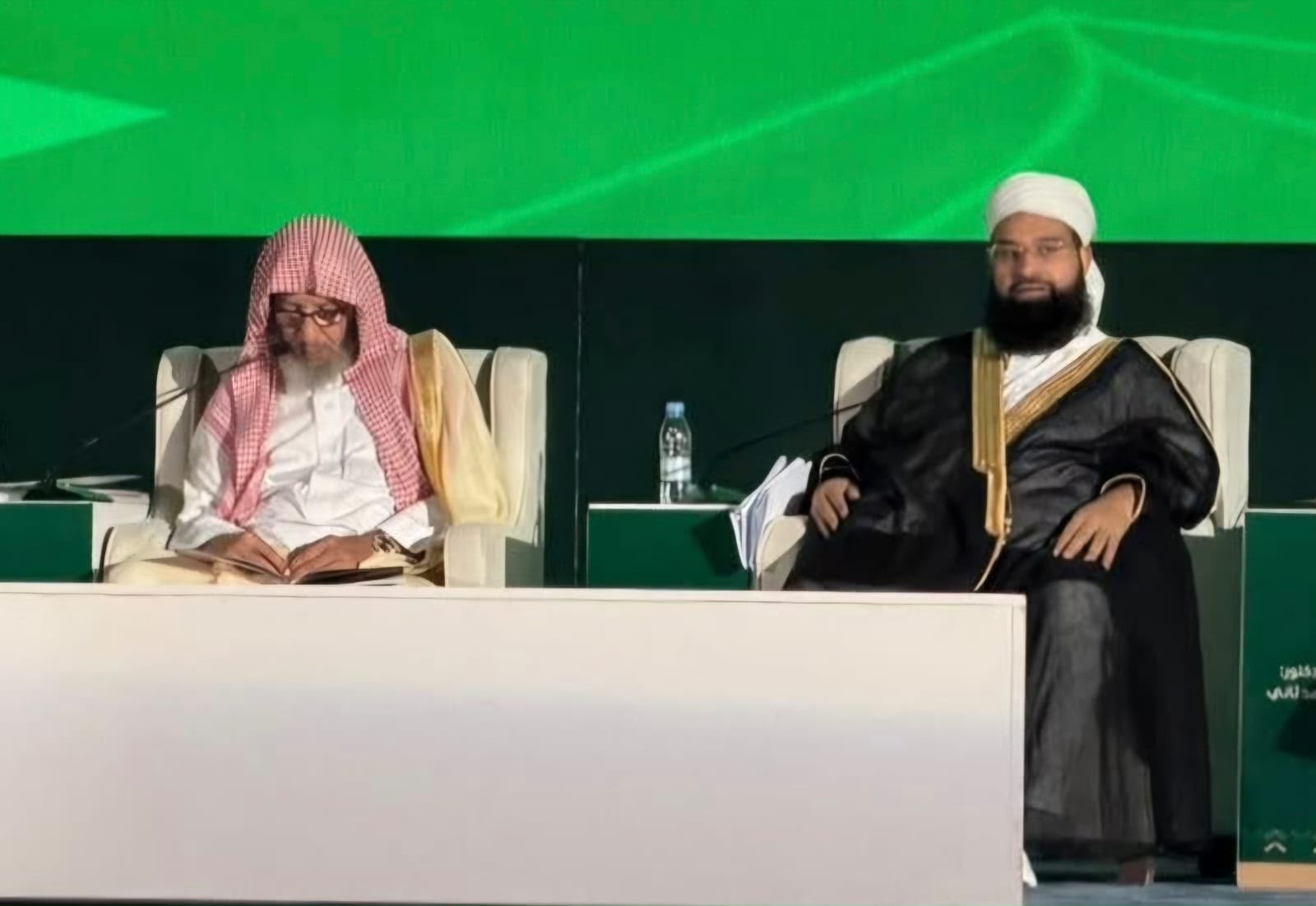
Addressing an international conference at the Islamic University of Madinah, Ashrafi said elements misleading Muslim youth in the name of Islam and Jihad had caused irreparable damage to the Muslim world.
He said it was essential to intellectually and academically expose the ideologies, objectives and conduct of extremist and terrorist groups in order to protect the younger generation from misleading narratives.
Ashrafi, who is also Secretary-General of the International Tazeem-e-Haramain Sharifain Council and Coordinator of the National Paigham-e-Aman Committee said Pakistan had remained in a state of conflict for the past 45 years and that one hundred thousand Pakistanis had fallen victim to terrorism since 1990.
He called for confronting all forces that mislead young people in the name of Islam and Jihad, whether they operate under the names of the Taliban, Al-Qaeda, Daesh or the Houthis.
Their deviant ideologies, he said, must be presented before the people, particularly the youth, without fear, pressure or expediency.
He said Islam was a religion of peace, moderation, justice and respect for human dignity, adding that terrorism, extremism and the killing of innocent people had no connection with Islamic teachings.
He stressed that countering ideological deviation required more than security meaures, and that education, knowledge, dialogue, guidance by religious scholars and the promotion of authentic Islamic thought were equally necessary.
Ashrafi said the issue between the Houthis and Saudi Arabia was neither a Shia-Sunni conflict nor merely a bilateral matter between two countries. He described the Houthis as a terrorist organization responsible for killing innocent people in Yemen. As the killing of Palestinian people was unacceptable, the shedding of innocent blood in Yemen was equally condemnable, he added.
He said the Houthis invoked the names of Islam and Palestine, but allowed Israeli ships passage while targeting Saudi ships. Such conduct, he said, had no connection with Islam, Islamic ethics or genuine support for the Palestinian people.
Ashrafi said the sanctity, security and peace of the land of the Haramain Sharifain, Makkah Al-Mukarramah and Madinah Al-Munawwarah were of paramount importance to the entire Muslim Ummah.
He said the clear and unanimous position of scholars, Muftis and religious leaders across the Muslim world was that any attack on the security of the Haramain Sharifain or the land of the Two Holy Mosques was unacceptable to the entire Muslim Ummah.
He said the governments of Saudi Arabia and Yemen had the right to take necessary measures to protect their people, territories, peace and security.
He added that they stood with the Kingdom of Saudi Arabia for the peace, stability and defence of the Haramain Sharifain.
Ashrafi appreciated Saudi Arabia’s efforts to counter ideological deviations, extremism and terrorism, saying its efforts to promote peace, strengthen moderation and balance, and confront deviant ideologies represented a successful and valuable model.
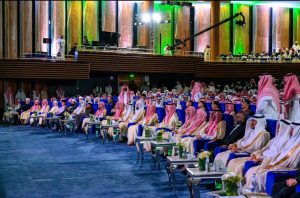
The international conference was inaugurated by Governor of Madinah Prince Salman bin Sultan bin Abdulaziz.
Imam of the Grand Mosque Sheikh Saleh bin Humaid, along with senior scholars, Muftis and prominent Islamic personalities from various Muslim countries, also addressed the conference.
A special message from the Grand Mufti of Saudi Arabia was read out by the Secretary-General of the Saudi Dar Al-Ifta.
Scholars and Muftis from various Islamic countries shared their views on countering ideological deviation, extremism and terrorism, promoting moderation and balance, and protecting the younger generation from extremist ideologies.
The participants stressed the need to further strengthen coordinated intellectual, educational and academic efforts to protect Muslim youth from extremist ideologies.