During the 63rd Session of the United Nations Human Rights Council (UNHRC), representatives from three international organizations delivered critical interventions highlighting the deteriorating human rights situation in Indian-occupied Jammu and Kashmir.
Human Rights advocates raise alarms over land rights, gender inequality, mental health crisis in Jammu & Kashmir
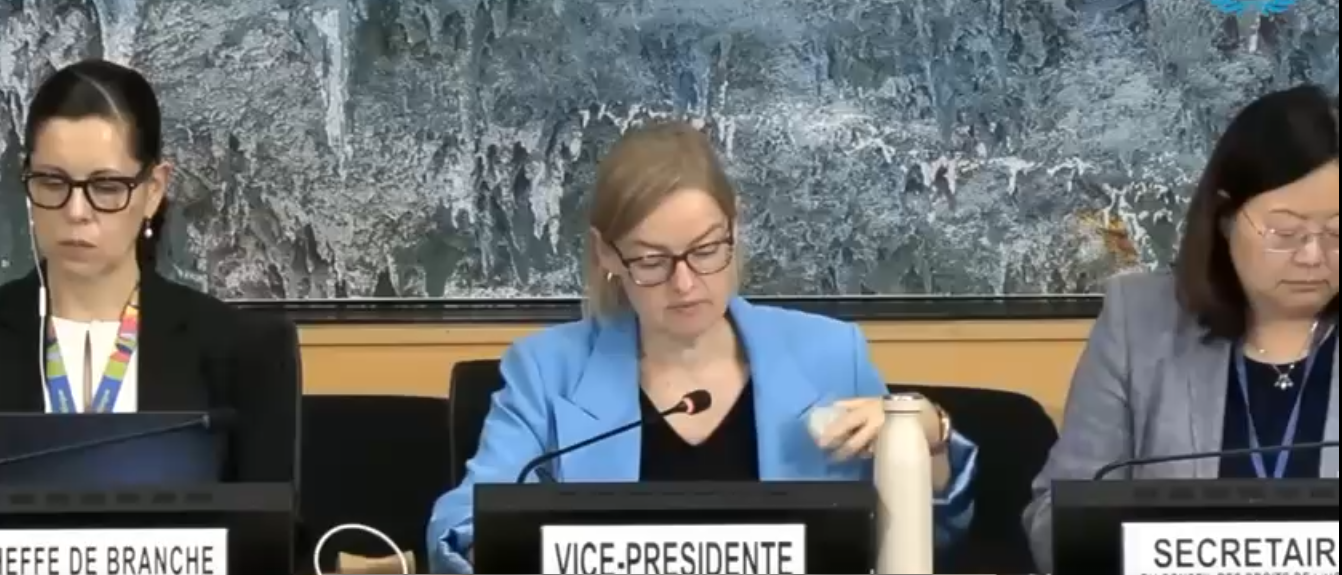
ISLAMABAD, Oct 02 (APP):During the 63rd Session of the United Nations Human Rights Council (UNHRC), representatives from three international organizations delivered critical interventions highlighting the deteriorating human rights situation in Indian-occupied Jammu and Kashmir.
The speakers urged the international community to address systemic issues regarding land dispossession, socio-economic marginalization, and the profound psychological trauma affecting the region’s population.
Speaking under the framework of the Vienna Declaration and Programme of Action, Mohib Ali of the International Action for Peace & Sustainable Development raised urgent concerns regarding recent land policies. Ali highlighted the impact of the Jammu and Kashmir Land Grants Rules, 2022, noting that the non-renewal of expired State and Nazool land leases has led to a wave of eviction notices in Srinagar neighborhoods, including Polo View, Rajbagh, and Karan Nagar, received a press release here on Friday from Geneva.
Citing official figures of 9,877 kanals of Nazool land—of which 5,619 kanals are leased for commercial use—Ali called on the Council to ensure that all land administration and eviction measures adhere to international standards of due process, non-discrimination, and the fundamental right to adequate housing and livelihood.
In a separate intervention, Minahil Gul of the World Muslim Congress challenged the current reservation system in the region, arguing that administrative policies are fueling the political and socio-economic marginalization of Kashmiri Muslims. Gul presented data showing a stark geographic disparity in reservation certificates, with 80.4% concentrated in Jammu compared to only 19.6% in the Kashmir Valley. She further criticized the reduction of the merit quota to 30%, urging the UNHRC to hold authorities accountable for discriminatory measures that limit the opportunities of Kashmiri youth.
Addressing the humanitarian crisis facing vulnerable populations, Syeda Mishal Zahra of the International Muslim Women’s Union focused on the plight of women and children. Zahra cited Indian Parliamentary data revealing that of the 509 missing minor girls reported in 2023, 300 remain unaccounted for. She also drew attention to the thousands of “half-widows”—women whose husbands remain among the more than 10,000 missing persons in the region.
Zahra further emphasized the severe mental health crisis resulting from prolonged conflict, citing a Médecins Sans Frontières (MSF) survey indicating that 45% of adults in the Kashmir Valley experience significant mental distress, with high rates of depression (41%), anxiety (26%), and PTSD (19%).
Collectively, the three interventions called for the UNHRC to strengthen the implementation of the Vienna commitments. The advocates urged UN mechanisms to ensure that all policies in Indian-occupied Jammu and Kashmir comply with international human rights law, specifically regarding the protection of women and children, the right to non-discrimination, and the guarantee of due process.